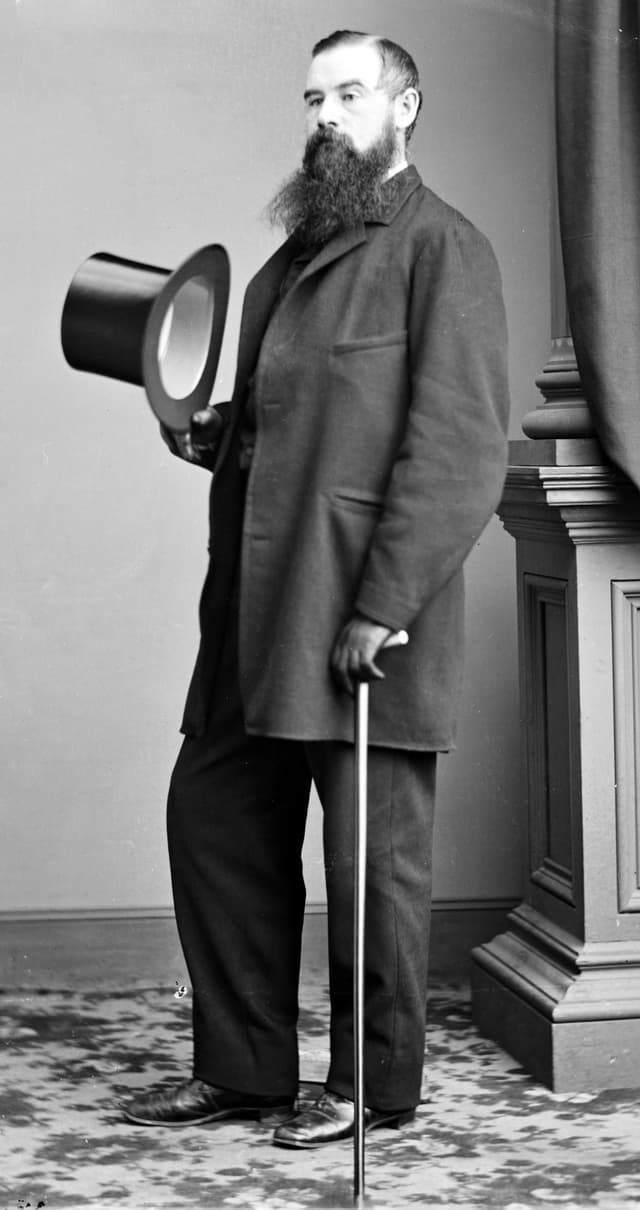
Charles Godfrey Leland
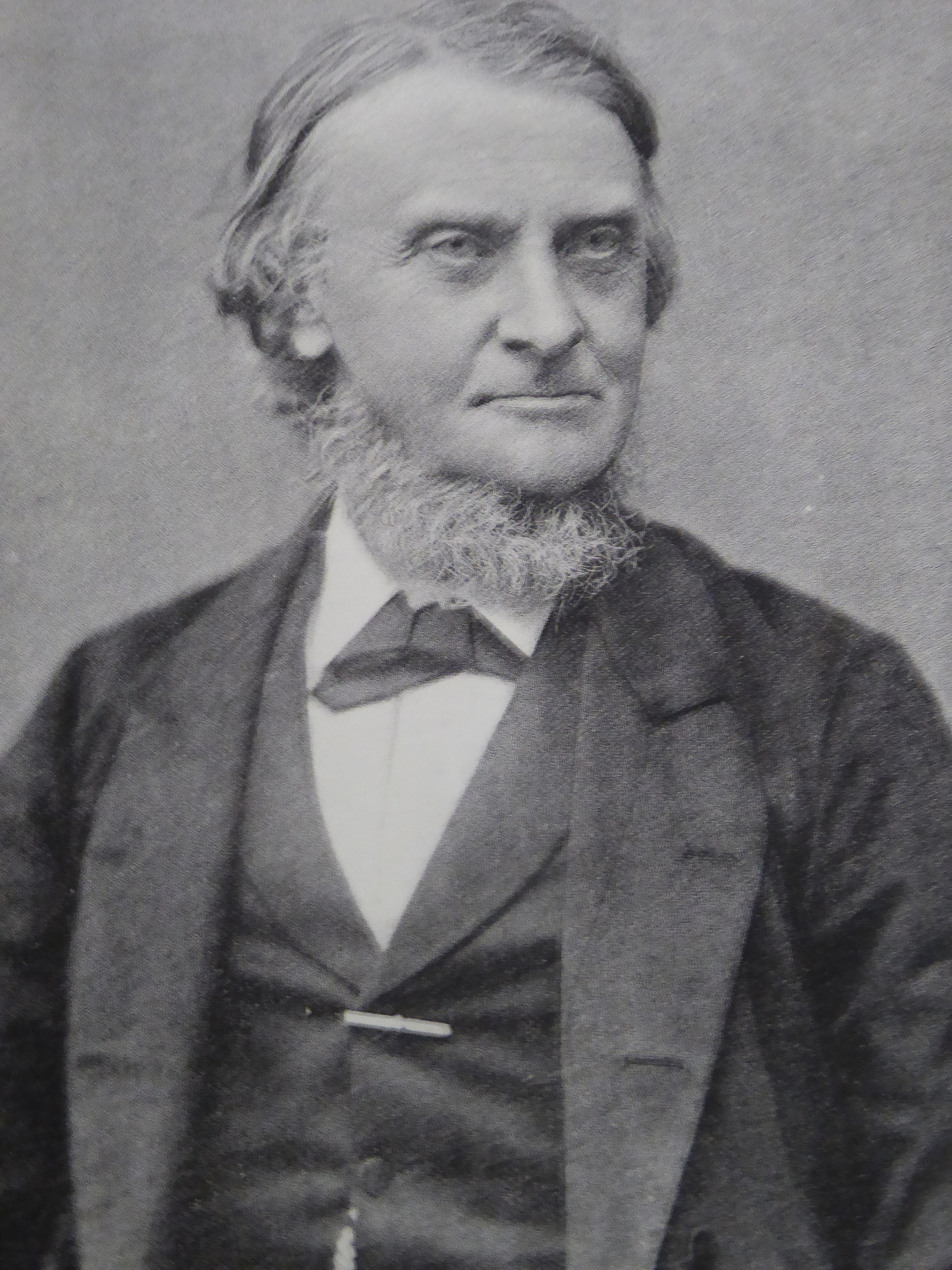
Charles Godfrey Leland was an influential American humorist and folklorist, born in Philadelphia and educated at Princeton University and abroad. His diverse career spanned journalism and various trades, but he is best remembered for his contributions to folklore and folk linguistics. Leland's most notable work, "Hans Breitmann’s Ballads," showcased his unique blend of humor and cultural observation, earning him recognition as a significant voice in American literature. His travels across Europe and the United States enriched his understanding of folk traditions, which he passionately documented in his writings. In addition to his humorous ballads, Leland authored "Aradia, or the Gospel of the Witches," a seminal text that would later become a cornerstone for Neopaganism. This work reflected his deep interest in witchcraft and folk beliefs, positioning him as a pivotal figure in the study of American and European folklore. Leland's legacy endures through his contributions to both humor and the preservation of cultural narratives, influencing generations of writers and folklorists who followed him.
Famous Quotes
View all 3 quotes“Pessimism is the result of too much culture and introversion.”
“And having made the heaven and the stars and the rain, Diana became Queen of the Witches; she was the cat who ruled the star-mice, the heaven and the rain.”
“If this be the manner in which Italian witchcraft is treated by the most intelligent writer who has depicted it, it will not be deemed remarkable that there are few indeed who will care whether there is a veritable Gospel of Witches, apparently of extreme antiquity, embodying the belief in a strange counter-religion which has held its own from pre-historic time to the present day. "Witchcraft is all rubbish, or something worse," said old writers, "and therefore all books about it are nothing better." I sincerely trust, however, that these pages may fall into the hands of at least a few who will think better of them.”
Books from the author






Link to this page
Add a free, dofollow link to Lex on your blog, forum, syllabus, or reading list.

<a href="https://lex-books.com/author/charles-godfrey-leland"><img src="https://lex-books.com/badges/read-on-lex.svg" alt="Charles Godfrey Leland on Lex" width="160" height="40"></a>[](https://lex-books.com/author/charles-godfrey-leland)[url=https://lex-books.com/author/charles-godfrey-leland][img]https://lex-books.com/badges/read-on-lex.svg[/img][/url]Charles Godfrey Leland on Lex: https://lex-books.com/author/charles-godfrey-leland