Narrative and Miscellaneous Papers — Volume 1
1873
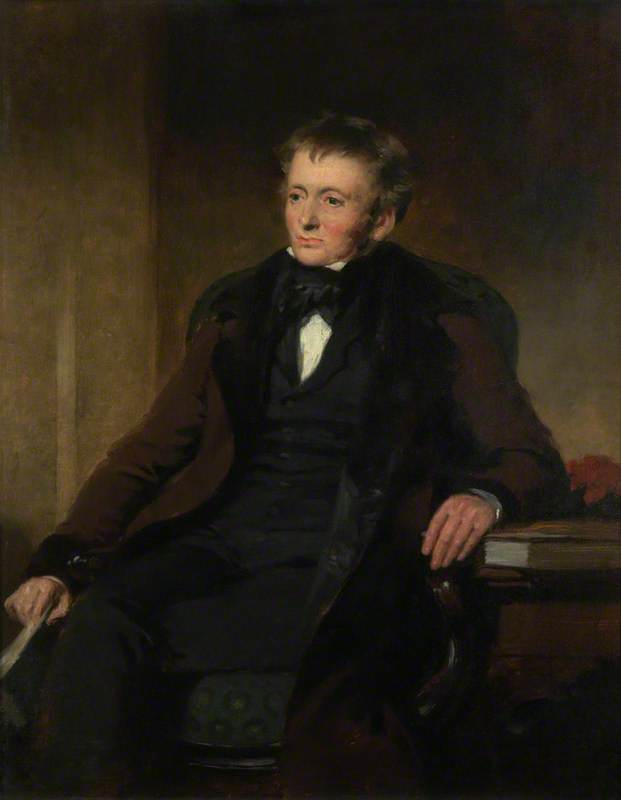
Thomas De Quincey, the brilliant opium-tinged voice of English Romanticism, turns his meditative gaze inward in this collection of essays and narratives. The volume opens with a piercing reflection on human frailty, a monologue that acknowledges the weight of suffering we all carry before venturing into the tale of Agnes and her husband. What follows is a devastating portrait of domestic happiness shattered by tragedy, rendered with De Quincey's signature sensibility for dreamlike recollection and emotional precision. The prose moves between philosophical introspection and narrative tragedy, exploring how quickly joy can curdle into grief, how the memories we cherish most are often those tinged with imminent loss. This is De Quincey at his most personal, weaving his own struggles with opium, melancholy, and the ghosts of the past into meditations on what it means to love and lose. The writing possesses that peculiar Romantic quality of finding terrible beauty in sorrow, of sitting with grief not to resolve it but to understand its shape.
Editions
Link to this book
Add a free, dofollow link to Lex on your blog, forum, syllabus, or reading list.

<a href="https://lex-books.com/book/narrative-and-miscellaneous-papers-volume-1-3b91fd41-5c46-4c0c-abfc-252e6fd952b4"><img src="https://lex-books.com/badges/read-on-lex.svg" alt="Read Narrative and Miscellaneous Papers — Volume 1 by Thomas De Quincey free on Lex" width="160" height="40"></a>[](https://lex-books.com/book/narrative-and-miscellaneous-papers-volume-1-3b91fd41-5c46-4c0c-abfc-252e6fd952b4)[url=https://lex-books.com/book/narrative-and-miscellaneous-papers-volume-1-3b91fd41-5c46-4c0c-abfc-252e6fd952b4][img]https://lex-books.com/badges/read-on-lex.svg[/img][/url]Read Narrative and Miscellaneous Papers — Volume 1 by Thomas De Quincey free on Lex: https://lex-books.com/book/narrative-and-miscellaneous-papers-volume-1-3b91fd41-5c46-4c0c-abfc-252e6fd952b4Cite this book
Reading this edition for a paper or guide? Copy a citation.
Quincey, Thomas De. Narrative and Miscellaneous Papers — Volume 1. Lex, lex-books.com/book/narrative-and-miscellaneous-papers-volume-1-3b91fd41-5c46-4c0c-abfc-252e6fd952b4.Quincey, T. D. (1873). Narrative and Miscellaneous Papers — Volume 1. Lex. https://lex-books.com/book/narrative-and-miscellaneous-papers-volume-1-3b91fd41-5c46-4c0c-abfc-252e6fd952b4Quincey, Thomas De. Narrative and Miscellaneous Papers — Volume 1. Lex. https://lex-books.com/book/narrative-and-miscellaneous-papers-volume-1-3b91fd41-5c46-4c0c-abfc-252e6fd952b4.