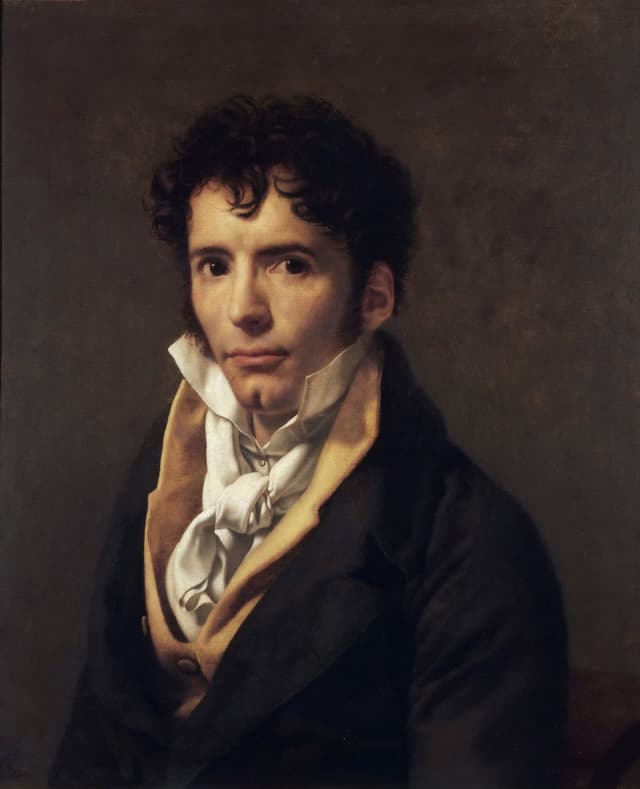
Sébastien-Roch-Nicolas Chamfort
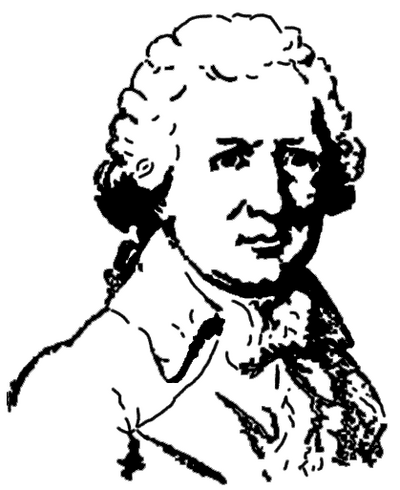
Sébastien-Roch-Nicolas Chamfort was a prominent French writer and wit of the Enlightenment period, known for his sharp epigrams and insightful observations on society and human nature. Born into a modest family, he rose to prominence in Parisian literary circles, where his keen intellect and satirical style earned him a reputation as a leading figure among the philosophes. Chamfort's works often reflected the tumultuous political climate of his time, particularly during the lead-up to the French Revolution, and he became known for his critical stance on the aristocracy and the hypocrisy of society. His most notable works include 'Maximes et pensées,' a collection of aphorisms that encapsulate his philosophical musings and social critiques. Chamfort's writing is characterized by its wit and brevity, making profound statements about life, love, and the human condition. His influence extended beyond literature; he was a significant figure in the salons of Paris, where he mingled with other intellectuals and contributed to the revolutionary discourse. Despite his eventual disillusionment with the Revolution, which led to his tragic end, Chamfort's legacy endures through his incisive commentary and the enduring relevance of his thoughts on society and morality.
Famous Quotes
View all 6 quotes“Tout homme qui, à quarante ans, n'est pas misantrophe, n'a jamais aimé.””
“In great matters, men reveal themselves as they find it appropriate to do so; but, in small matters, they reveal themselves as they truly are.””
“Sometimes when a person sees the roguery of poor people and the thievery of people in high positions, he is tempted to regard society as a forest full of robbers, the most dangerous of which are the policemen that are set up to stop the others.””
Books from the author








Link to this page
Add a free, dofollow link to Lex on your blog, forum, syllabus, or reading list.

<a href="https://lex-books.com/author/sébastien-roch-nicolas-chamfort"><img src="https://lex-books.com/badges/read-on-lex.svg" alt="Sébastien-Roch-Nicolas Chamfort on Lex" width="160" height="40"></a>[](https://lex-books.com/author/sébastien-roch-nicolas-chamfort)[url=https://lex-books.com/author/sébastien-roch-nicolas-chamfort][img]https://lex-books.com/badges/read-on-lex.svg[/img][/url]Sébastien-Roch-Nicolas Chamfort on Lex: https://lex-books.com/author/sébastien-roch-nicolas-chamfort