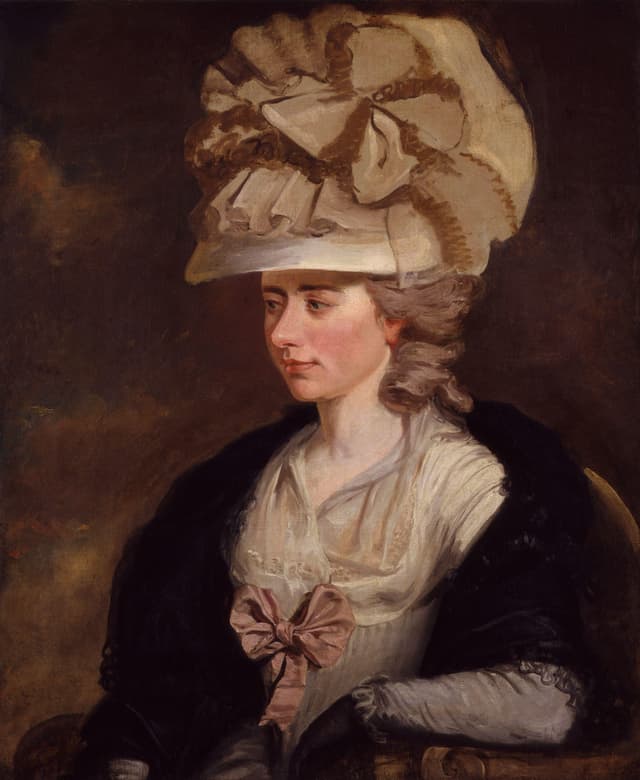
Fanny Burney
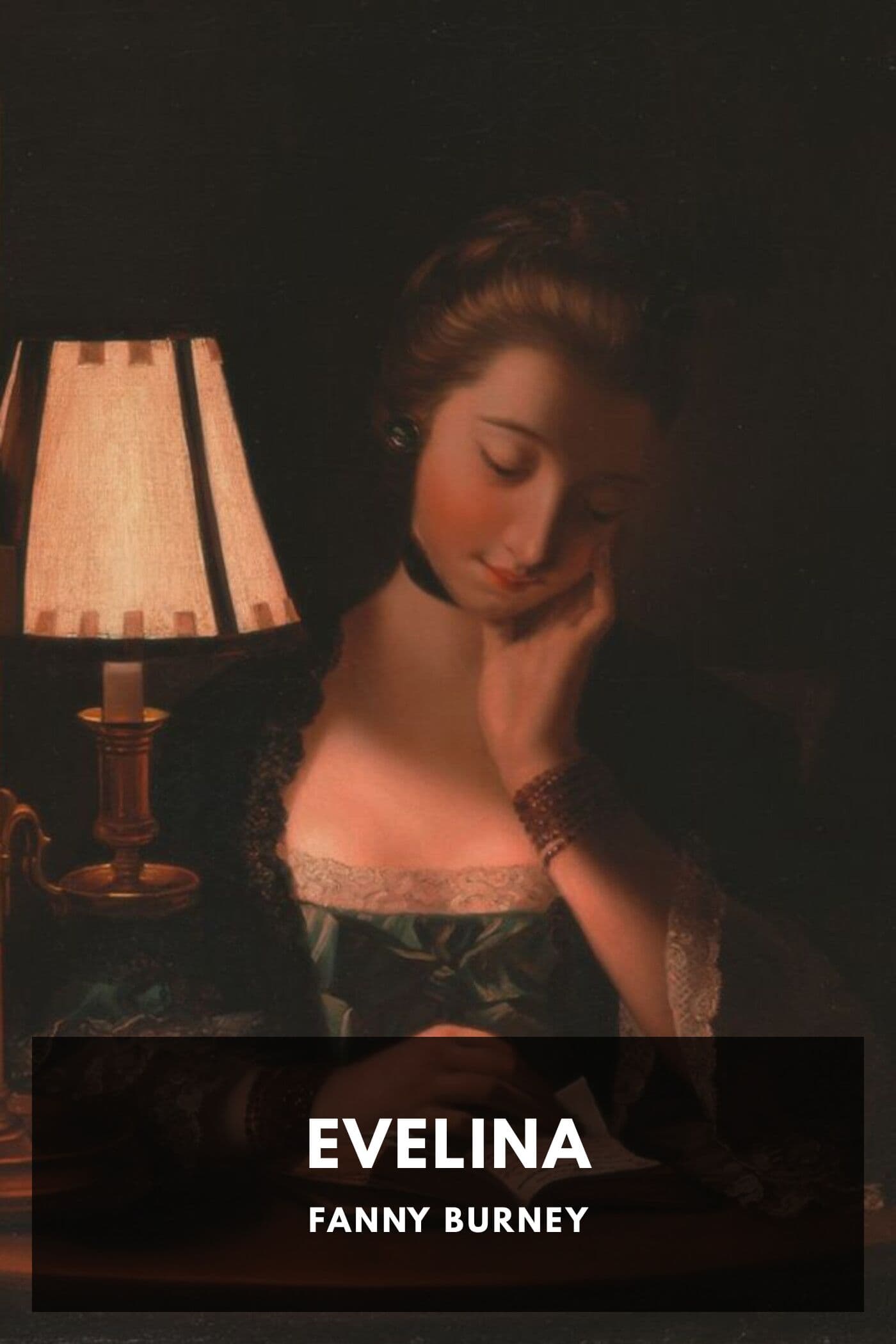
Fanny Burney, born Frances Burney, was an influential English novelist, diarist, and playwright whose works contributed significantly to the development of the novel in the late 18th century. Her debut novel, Evelina, published in 1778, was a groundbreaking work that offered a fresh perspective on the experiences of young women in society, blending humor and social commentary. Following this success, she published Cecilia in 1782, further solidifying her reputation as a leading literary figure of her time. In addition to her novels, Burney wrote several plays and served as the Keeper of the Robes to Queen Charlotte, which provided her with unique insights into the royal court and society at large. Burney's literary significance extends beyond her novels; she is also renowned for her letters and journals, which were published posthumously and have since overshadowed her fictional works. These writings offer a vivid portrayal of her life and the cultural landscape of her era, showcasing her keen observations and wit. Her influence on later writers, including Jane Austen and Virginia Woolf, underscores her importance in the literary canon. Burney's legacy as a pioneering female voice in literature continues to be celebrated, marking her as a key figure in the evolution of the English novel.
Famous Quotes
View all 18 quotes“I revere you. I esteem and admire you above all human beings. You are the friend to whom my soul is attached as to its better half. You are the most amiable, the most perfect of women. And you are dearer to me than language has the power of telling… You are now all my own… How will my soul find room for its happiness? It seems already bursting!””
“I have the honour to be quite of your Lordship's opinion," said Mr. Lovel, looking maliciously at Mrs. Selwyn, "for I have an insuperable aversion to strength, either of body or mind, in a female.""Faith, and so have I," said Mr. Coverley; "for egad I'd as soon see a woman chop wood, as hear her chop logic.""So would every man in his senses," said Lord Merton; "for a woman wants nothing to recommend her but beauty and good nature; in every thing else she is either impertinent or unnatural. For my part, deuce take me if ever I wish to hear a word of sense from a woman as long as I live!""It has always been agreed," said Mrs. Selwyn, looking round her with the utmost contempt, "that no man ought to be connected with a woman whose understanding is superior to his own. Now I very much fear, that to accommodate all this good company, according to such a rule, would be utterly impracticable, unless we should chuse subjects from Swift's hospital of idiots.””
“Remember, my dear Evelina, nothing is so delicate as the reputation of a woman: it is, at once, the most beautiful and most brittle of all human things.””
Books from the author





Link to this page
Add a free, dofollow link to Lex on your blog, forum, syllabus, or reading list.

<a href="https://lex-books.com/author/fanny-burney"><img src="https://lex-books.com/badges/read-on-lex.svg" alt="Fanny Burney on Lex" width="160" height="40"></a>[](https://lex-books.com/author/fanny-burney)[url=https://lex-books.com/author/fanny-burney][img]https://lex-books.com/badges/read-on-lex.svg[/img][/url]Fanny Burney on Lex: https://lex-books.com/author/fanny-burney