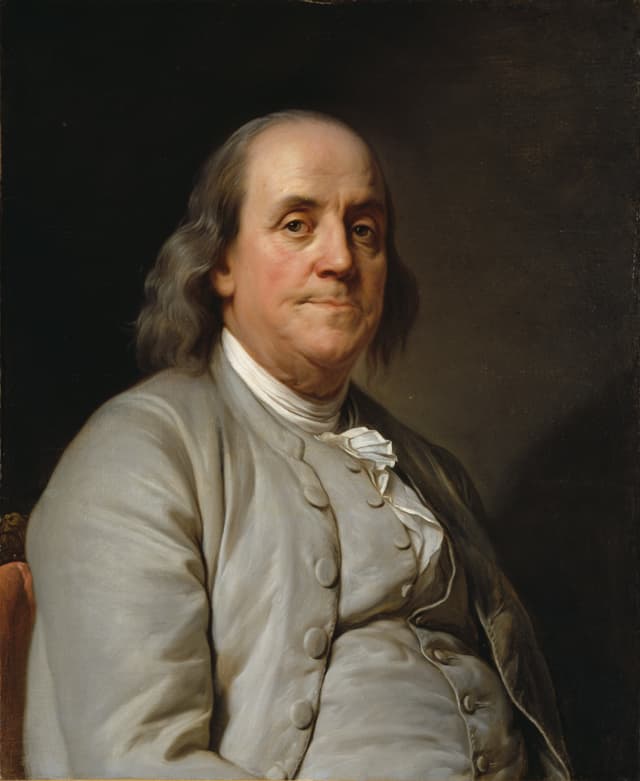
Benjamin Franklin
Benjamin Franklin was an American polymath whose contributions spanned writing, science, politics, and diplomacy. Born in the Province of Massachusetts Bay, he became a prominent newspaper editor and printer in Philadelphia, where he published The Pennsylvania Gazette and Poor Richard's Almanack under the pseudonym 'Richard Saunders.' His work in journalism not only made him wealthy but also positioned him as a key figure in colonial resistance against British policies, particularly through his association with the Pennsylvania Chronicle, known for its revolutionary sentiments. Franklin's intellectual pursuits led him to establish the Academy and College of Philadelphia, which later evolved into the University of Pennsylvania, and he played a crucial role in founding the American Philosophical Society, serving as its first secretary and later president. As one of the Founding Fathers of the United States, Franklin was instrumental in drafting the Declaration of Independence and served as the first postmaster general. His diplomatic efforts, especially as the first U.S. ambassador to France, were vital in securing French support during the American Revolution. Despite his early involvement in slavery, Franklin underwent a significant transformation in his views, becoming an active abolitionist and advocating for the education and integration of African Americans. His legacy as a statesman, inventor, and thinker continues to influence American society and culture, marking him as one of the most significant figures in American history.
Famous Quotes
View all 20 quotes“Go to heaven for the climate and hell for the company.””
“Either write something worth reading or do something worth writing.””
“Three may keep a secret, if two of them are dead.””
Books from the author
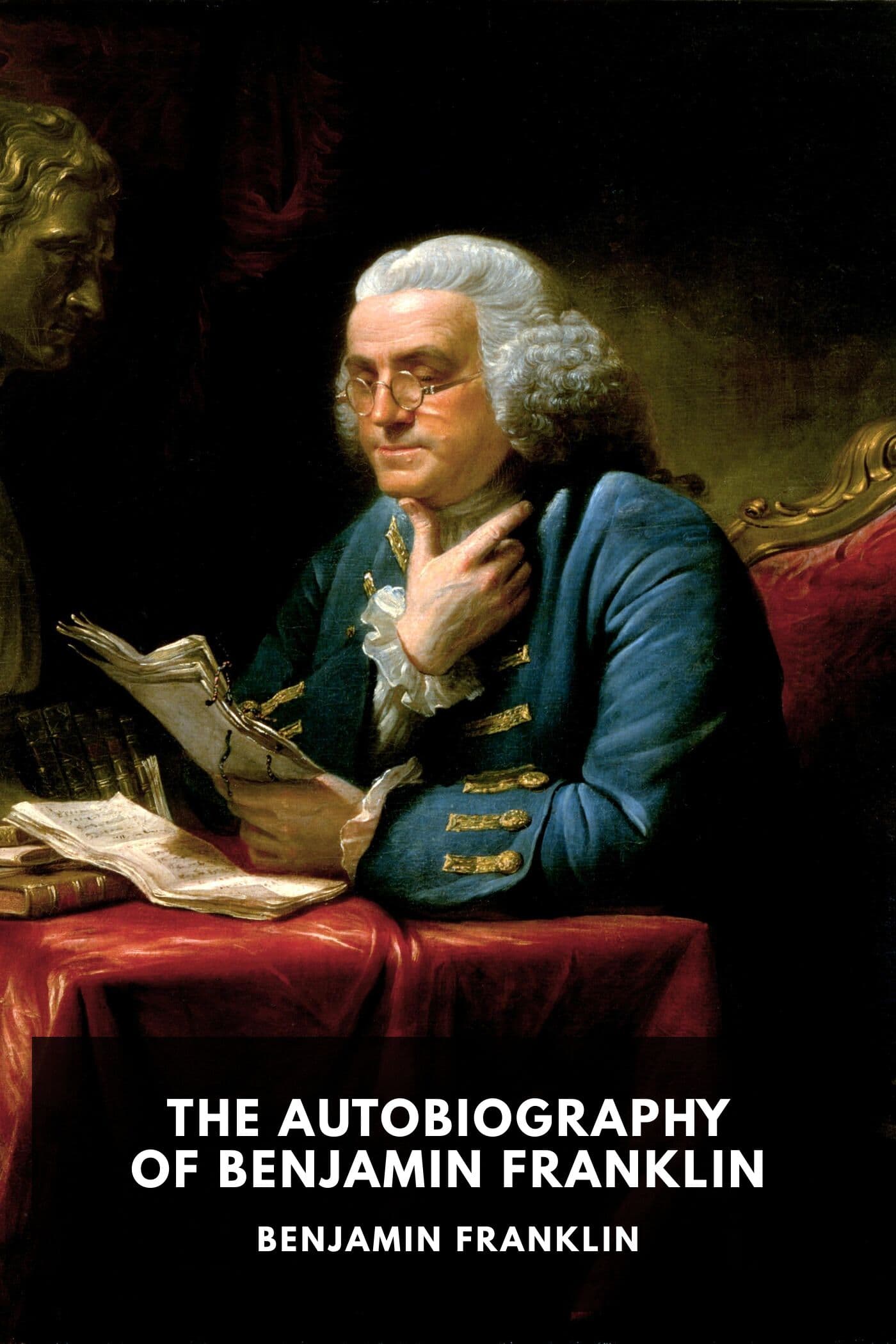
![Memoirs of Benjamin Franklin; Written by Himself. [Vol. 2 Of 2]with His Most Interesting Essays, Letters, and Miscellaneous Writings; Familiar, Moral, Political, Economical, and Philosophical, Selected with Care from All His Published Productions, and Comprising Whatever Is Most Entertaining and Valuable to the General Reader](/_next/image?url=https%3A%2F%2Fd3b2n8gj62qnwr.cloudfront.net%2FCOVERS%2Fgutenberg_covers75k%2Febook-40236.png&w=3840&q=75)
![Memoirs of Benjamin Franklin; Written by Himself. [Vol. 1 Of 2]with His Most Interesting Essays, Letters, and Miscellaneous Writings; Familiar, Moral, Political, Economical, and Philosophical, Selected with Care from All His Published Productions, and Comprising Whatever Is Most Entertaining and Valuable to the General Reader](/_next/image?url=https%3A%2F%2Fd3b2n8gj62qnwr.cloudfront.net%2FCOVERS%2Fgutenberg_covers75k%2Febook-36338.png&w=3840&q=75)
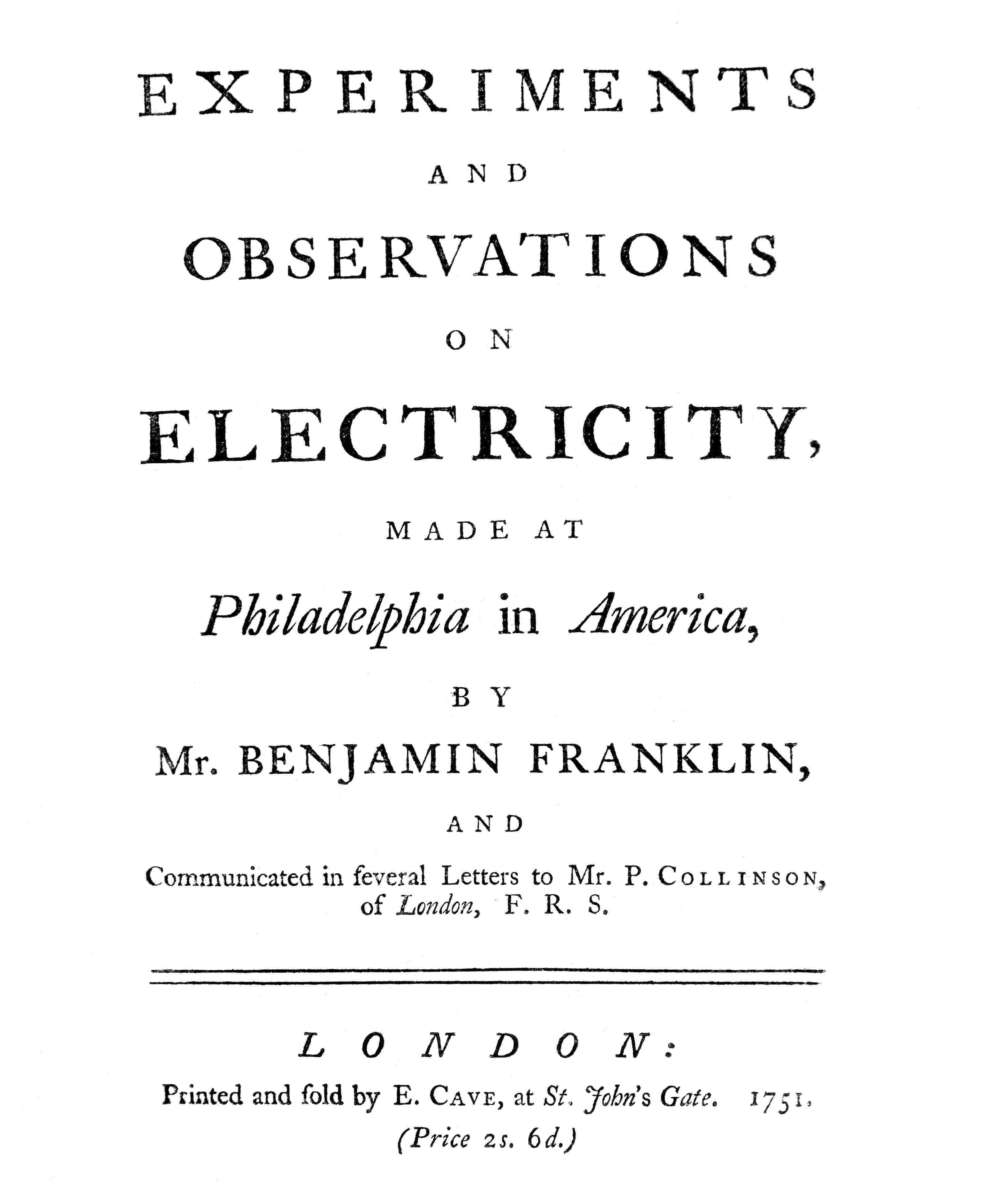
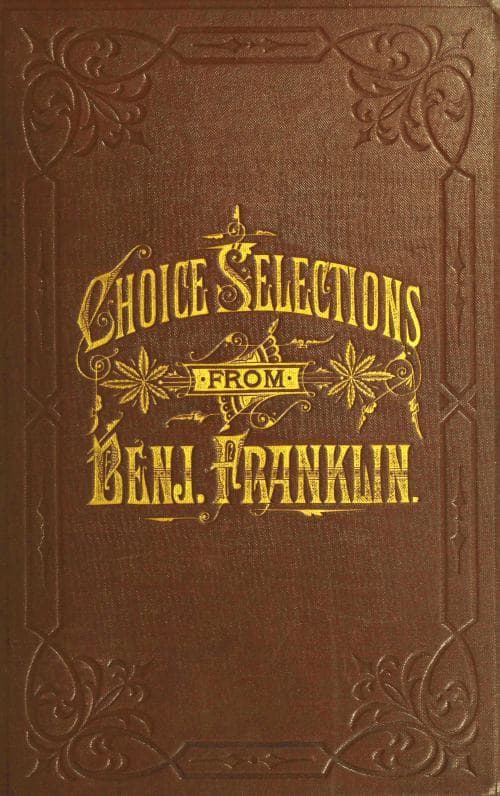


Link to this page
Add a free, dofollow link to Lex on your blog, forum, syllabus, or reading list.

<a href="https://lex-books.com/author/benjamin-franklin"><img src="https://lex-books.com/badges/read-on-lex.svg" alt="Benjamin Franklin on Lex" width="160" height="40"></a>[](https://lex-books.com/author/benjamin-franklin)[url=https://lex-books.com/author/benjamin-franklin][img]https://lex-books.com/badges/read-on-lex.svg[/img][/url]Benjamin Franklin on Lex: https://lex-books.com/author/benjamin-franklin