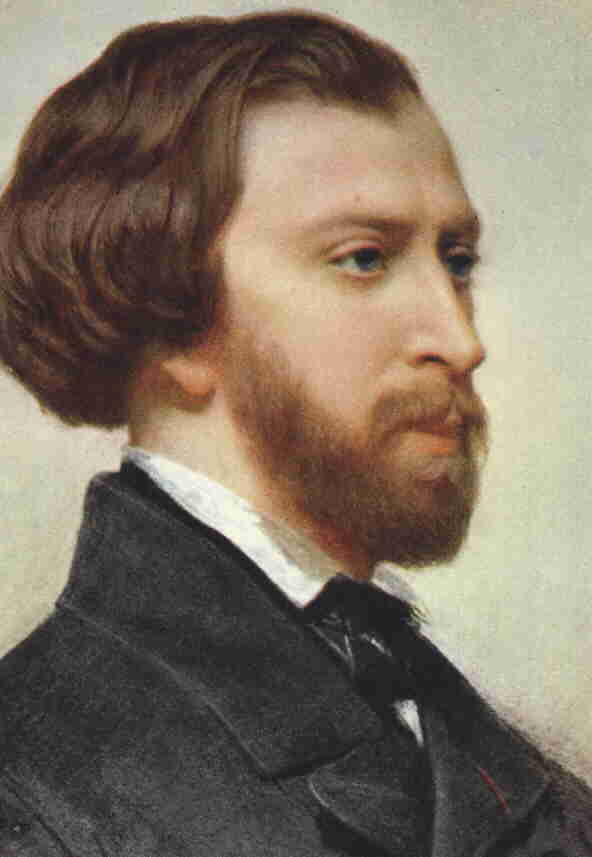
Alfred de Musset
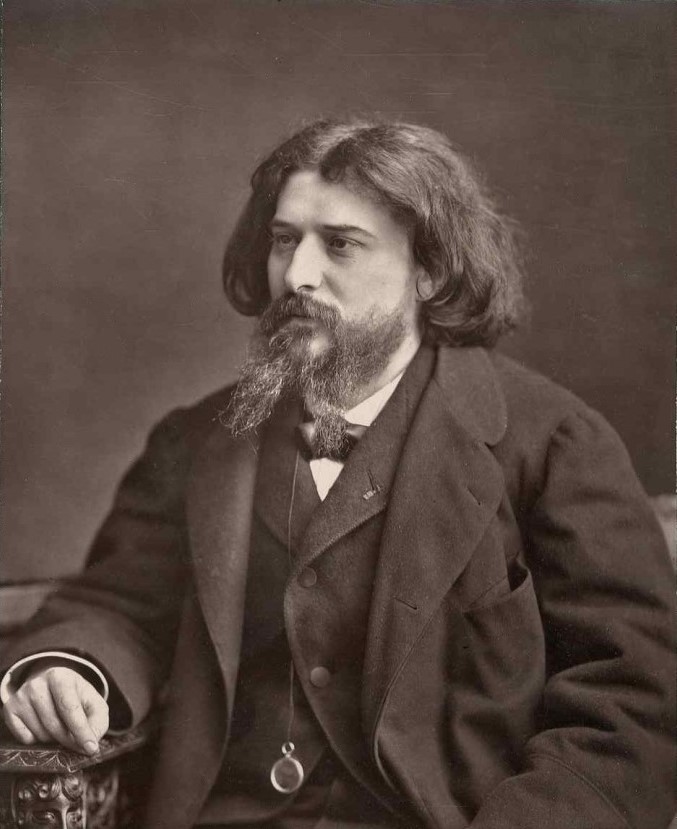
Alfred de Musset was a prominent French poet, dramatist, and novelist whose works captured the complexities of love and the human condition. Born into a well-to-do family, he began his literary career in the vibrant cultural milieu of early 19th-century France, where he became associated with the Romantic movement. Musset's poetry, characterized by its emotional depth and lyrical beauty, often explored themes of passion, despair, and the fleeting nature of happiness. His notable works include 'Les Nuits,' a collection of poems reflecting his tumultuous love life, and 'La Confession d'un enfant du siècle,' an autobiographical novel that delves into the disillusionment of youth in post-Napoleonic France. Musset's literary significance lies in his ability to blend personal experience with broader social and philosophical themes, making him a key figure in the Romantic movement. His exploration of existential angst and the struggles of the individual against societal norms influenced later writers and poets. Despite his relatively short life, Musset's legacy endures through his innovative contributions to French literature, particularly in the realms of poetry and drama, where he paved the way for future generations of writers. His works continue to be celebrated for their emotional intensity and introspective nature, solidifying his place as a vital voice in 19th-century literature.
Famous Quotes
View all 3 quotes“How glorious it is – and also how painful – to be an exception.”
“You’re like a lighthouse shining beside the sea of humanity, motionless: all you can see is your own reflection in the water. You’re alone, so you think it’s a vast, magnificent panorama. You haven’t sounded the depths. You simply believe in the beauty of God’s creation. But I have spent all this time in the water, diving deep into the howling ocean of life, deeper than anyone. While you were admiring the surface, I saw the shipwrecks, the drowned bodies, the monsters of the deep”
“Romanticism is the abuse of adjectives”
Books from the author



Link to this page
Add a free, dofollow link to Lex on your blog, forum, syllabus, or reading list.

<a href="https://lex-books.com/author/alfred-de-musset"><img src="https://lex-books.com/badges/read-on-lex.svg" alt="Alfred de Musset on Lex" width="160" height="40"></a>[](https://lex-books.com/author/alfred-de-musset)[url=https://lex-books.com/author/alfred-de-musset][img]https://lex-books.com/badges/read-on-lex.svg[/img][/url]Alfred de Musset on Lex: https://lex-books.com/author/alfred-de-musset