Lex

Browse

All GenresBookshelvesFree BooksFree Audiobooks

Company

About usJobsShare with friendsAffiliates

Legal

Terms of ServicePrivacy Policy

Contact

Supportgeneral@lex-books.com(215) 703-8277

© 2026 LexBooks, Inc. All rights reserved.

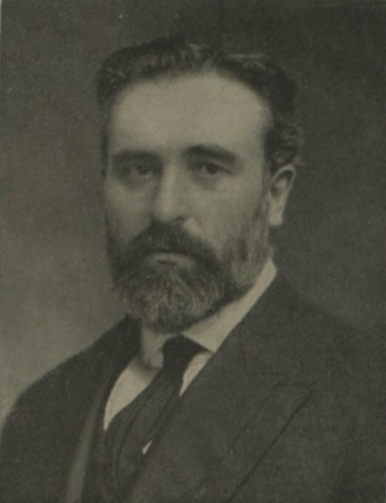
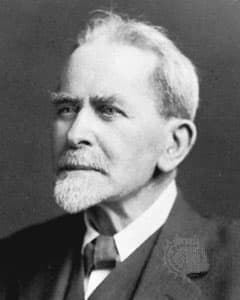
James George Frazer

James George Frazer

James George Frazer was a Scottish social anthropologist and folklorist whose pioneering work laid the groundwork for the modern study of mythology and comparative religion. He is best known for his monumental work, 'The Golden Bough,' published in 1890, which explored the connections between ancient myths, rituals, and the evolution of religious thought. This extensive study examined the similarities between various cultural practices and beliefs, arguing that human societies progress through stages of magic, religion, and science. His comparative approach to understanding cultural phenomena significantly influenced the fields of anthropology, sociology, and religious studies. Frazer's contributions extended beyond 'The Golden Bough,' as he authored numerous works that examined the interplay between folklore and social customs. His insights into the nature of myth and ritual challenged existing paradigms and inspired subsequent generations of scholars, including notable figures like Sigmund Freud and Carl Jung. Despite facing criticism for his methodologies and conclusions, Frazer's legacy endures in the way he opened up discussions about the universality of human experience through myth and ritual, establishing him as a foundational figure in the study of cultural anthropology and the history of religions.

Wikipedia

Sir James George Frazer OM FRS FRSE FBA (/ˈfreɪzər/; 1 January 1854 – 7 May 1941) was a Scottish social anthropologist a...

Written by Lex AI

Famous Quotes

View all 17 quotes

“Small minds cannot grasp great ideas; to their narrow comprehension, their purblind vision, nothing seems really great and important but themselves.””

The Golden Bough: A Study in Magic and Religion

“The propensity to excessive simplification is indeed natural to the mind of man, since it is only by abstraction and generalisation, which necessarily imply the neglect of a multitude of particulars, that he can stretch his puny faculties so as to embrace a minute portion of the illimitable vastness of the universe. But if the propensity is natural and even inevitable, it is nevertheless fraught with peril, since it is apt to narrow and falsify our conception of any subject under investigation. To correct it partially - for to correct it wholly would require an infinite intelligence - we must endeavour to broaden our views by taking account of a wide range of facts and possibilities; and when we have done so to the utmost of our power, we must still remember that from the very nature of things our ideas fall immeasurably short of the reality.””

The Magic Art and the Evolution of Kings, Part 1

“By religion, then, I understand a propitiation or conciliation of powers superior to man which are believed to direct and control the course of nature and of human life. Thus defined, religion consists of two elements, a theoretical and a practical, namely, a belief in powers higher than man and an attempt to propitiate or please them. Of the two, belief clearly comes first, since we must believe in the existence of a divine being before we can attempt to please him. But unless the belief leads to a corresponding practice, it is not a religion but merely a theology; in the language of St. James, “faith, if it hath not works, is dead, being alone.” In other words, no man is religious who does not govern his conduct in some measure by the fear or love of God. On the other hand, mere practice, divested of all religious belief, is also not religion. Two men may behave in exactly the same way, and yet one of them may be religious and the other not. If the one acts from the love or fear of God, he is religious; if the other acts from the love or fear of man, he is moral or immoral according as his behaviour comports or conflicts with the general good.””

The Golden Bough

“Small minds cannot grasp great ideas; to their narrow comprehension, their purblind vision, nothing seems really great and important but themselves.””

The Golden Bough: A Study in Magic and Religion

“The propensity to excessive simplification is indeed natural to the mind of man, since it is only by abstraction and generalisation, which necessarily imply the neglect of a multitude of particulars, that he can stretch his puny faculties so as to embrace a minute portion of the illimitable vastness of the universe. But if the propensity is natural and even inevitable, it is nevertheless fraught with peril, since it is apt to narrow and falsify our conception of any subject under investigation. To correct it partially - for to correct it wholly would require an infinite intelligence - we must endeavour to broaden our views by taking account of a wide range of facts and possibilities; and when we have done so to the utmost of our power, we must still remember that from the very nature of things our ideas fall immeasurably short of the reality.””

The Magic Art and the Evolution of Kings, Part 1

“By religion, then, I understand a propitiation or conciliation of powers superior to man which are believed to direct and control the course of nature and of human life. Thus defined, religion consists of two elements, a theoretical and a practical, namely, a belief in powers higher than man and an attempt to propitiate or please them. Of the two, belief clearly comes first, since we must believe in the existence of a divine being before we can attempt to please him. But unless the belief leads to a corresponding practice, it is not a religion but merely a theology; in the language of St. James, “faith, if it hath not works, is dead, being alone.” In other words, no man is religious who does not govern his conduct in some measure by the fear or love of God. On the other hand, mere practice, divested of all religious belief, is also not religion. Two men may behave in exactly the same way, and yet one of them may be religious and the other not. If the one acts from the love or fear of God, he is religious; if the other acts from the love or fear of man, he is moral or immoral according as his behaviour comports or conflicts with the general good.””

The Golden Bough

Books from the author
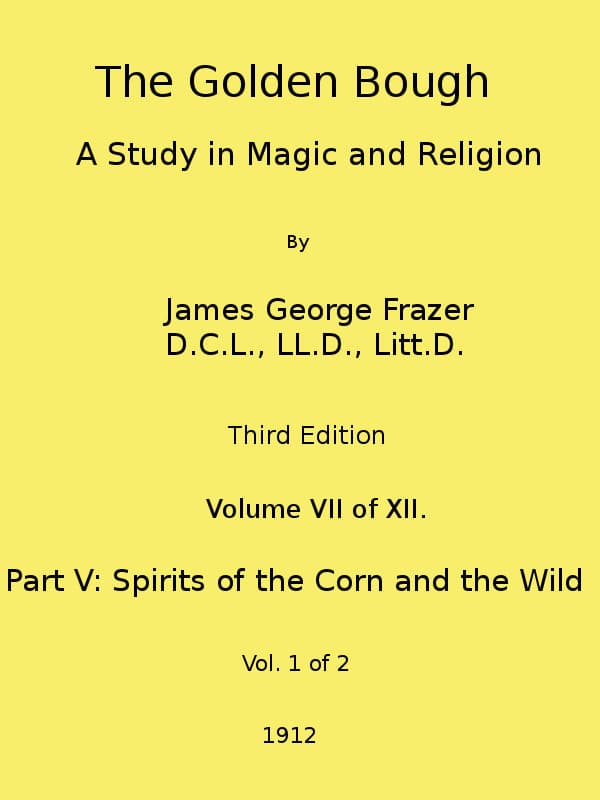
The Golden Bough: A Study of Magic and Religion
The Golden Bough: A Study in Comparative Religion (vol. 1 of 2)
The Golden Bough: A Study in Magic and Religion (third Edition, Vol. 03 of 12)
The Golden Bough: A Study in Magic and Religion (third Edition, Vol. 12 of 12)
The Golden Bough: A Study in Comparative Religion (vol. 2 of 2)
The Golden Bough: A Study in Magic and Religion (third Edition, Vol. 06 of 12)
The Golden Bough: A Study in Magic and Religion (third Edition, Vol. 08 of 12)
The Golden Bough: A Study in Magic and Religion (third Edition, Vol. 09 of 12)

Balder theBeautiful,Volume I.: AStudy in...

1890

James George Frazer

The Golden Bough: A Study in Magic and Religion (third Edition, Vol. 04 of 12)
The Golden Bough: A Study in Magic and Religion (Third Edition, Vol. 01 of 12)
The Golden Bough: A Study in Magic and Religion (third Edition, Vol. 10 of 12)
The Golden Bough: A Study in Magic and Religion (Third Edition, Vol. 02 of 12)
The Golden Bough: A Study in Magic and Religion (third Edition, Vol. 11 of 12)
The Golden Bough: A Study in Magic and Religion (third Edition, Vol. 05 of 12)

The BeliefinImmortalityand the...

James George Frazer

The Golden Bough: A Study in Magic and Religion (third Edition, Vol. 07 of 12)

The BeliefinImmortalityand the...

1913

James George Frazer

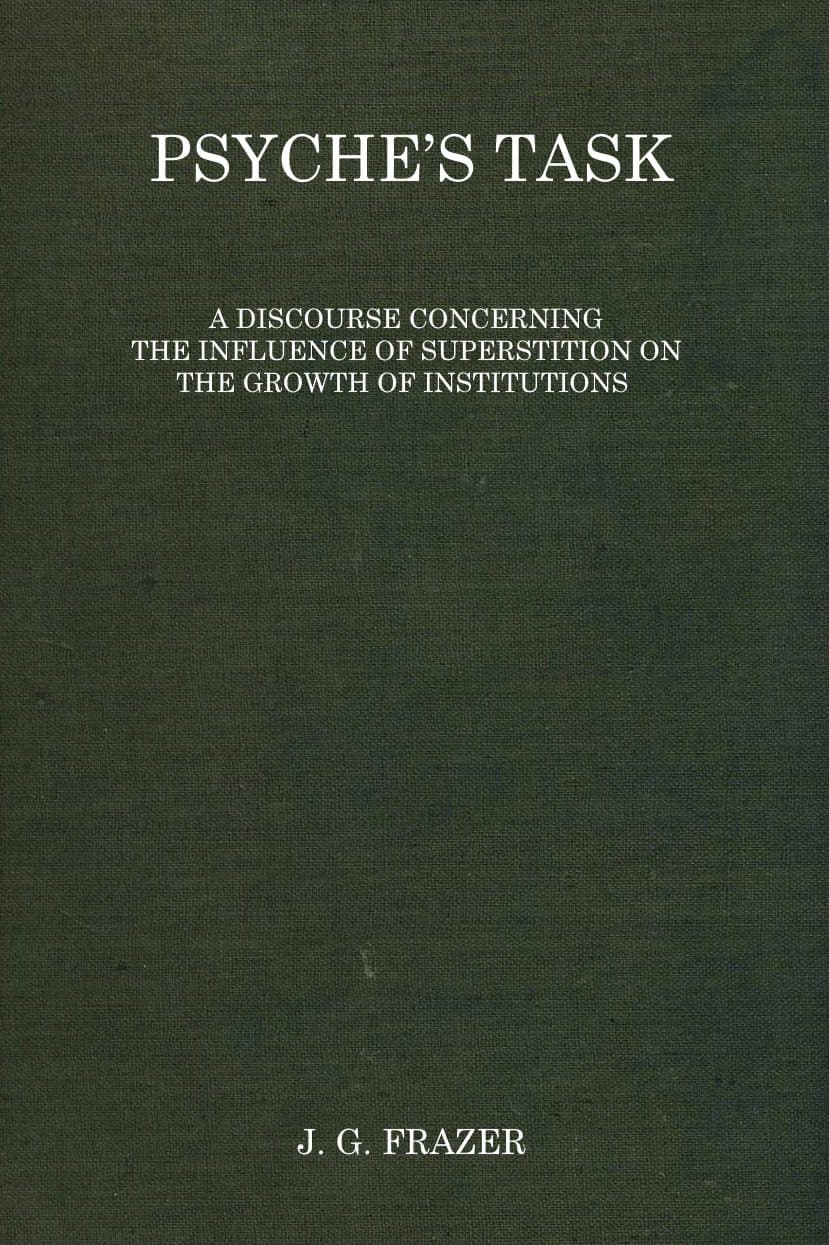
Psyche's Task: A Discourse Concerning the Influence of Superstition on the Growth of Institutions

More authors like this

right arrow
J. M. Robertson
J. M. Robertson
1856-1933
Henry Drummond
Henry Drummond
1851-1897
Jesse Walter Fewkes
Jesse Walter Fewkes
1850-1930
M. M. Mangasarian
M. M. Mangasarian
1859-1943
Arvid Järnefelt
1861-1932
Rudolf Steiner
Rudolf Steiner
1861-1925
William Walker Atkinson
1862-1932
Lewis Spence
Lewis Spence
1874-1955
Albert Schweitzer
Albert Schweitzer
1875-1965
Edgar Thurston
Edgar Thurston
1855-1935
Elbert Hubbard
Elbert Hubbard
1856-1915
Henry Van Dyke
Henry Van Dyke
1852-1933
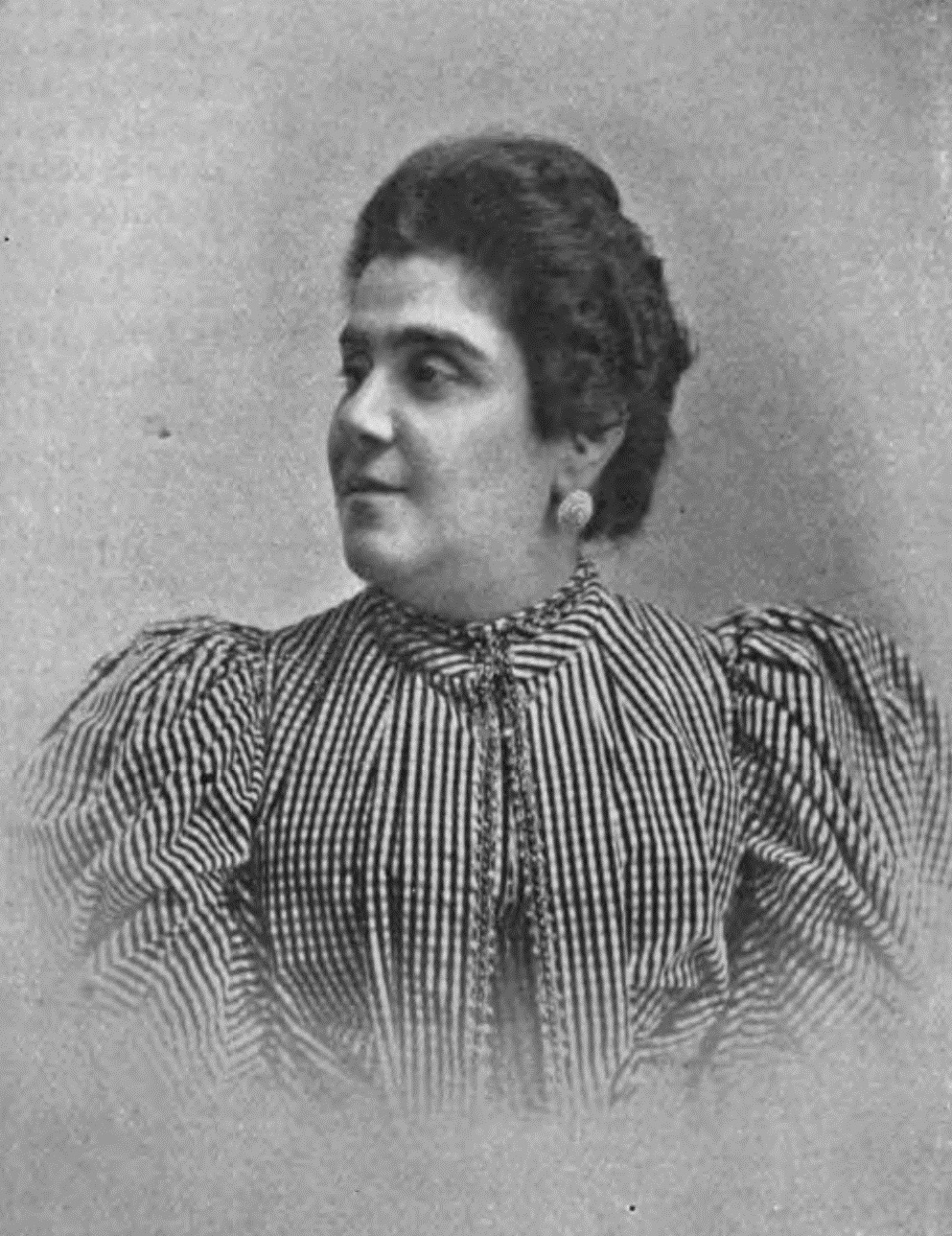
Matilde Serao
Matilde Serao
1856-1927
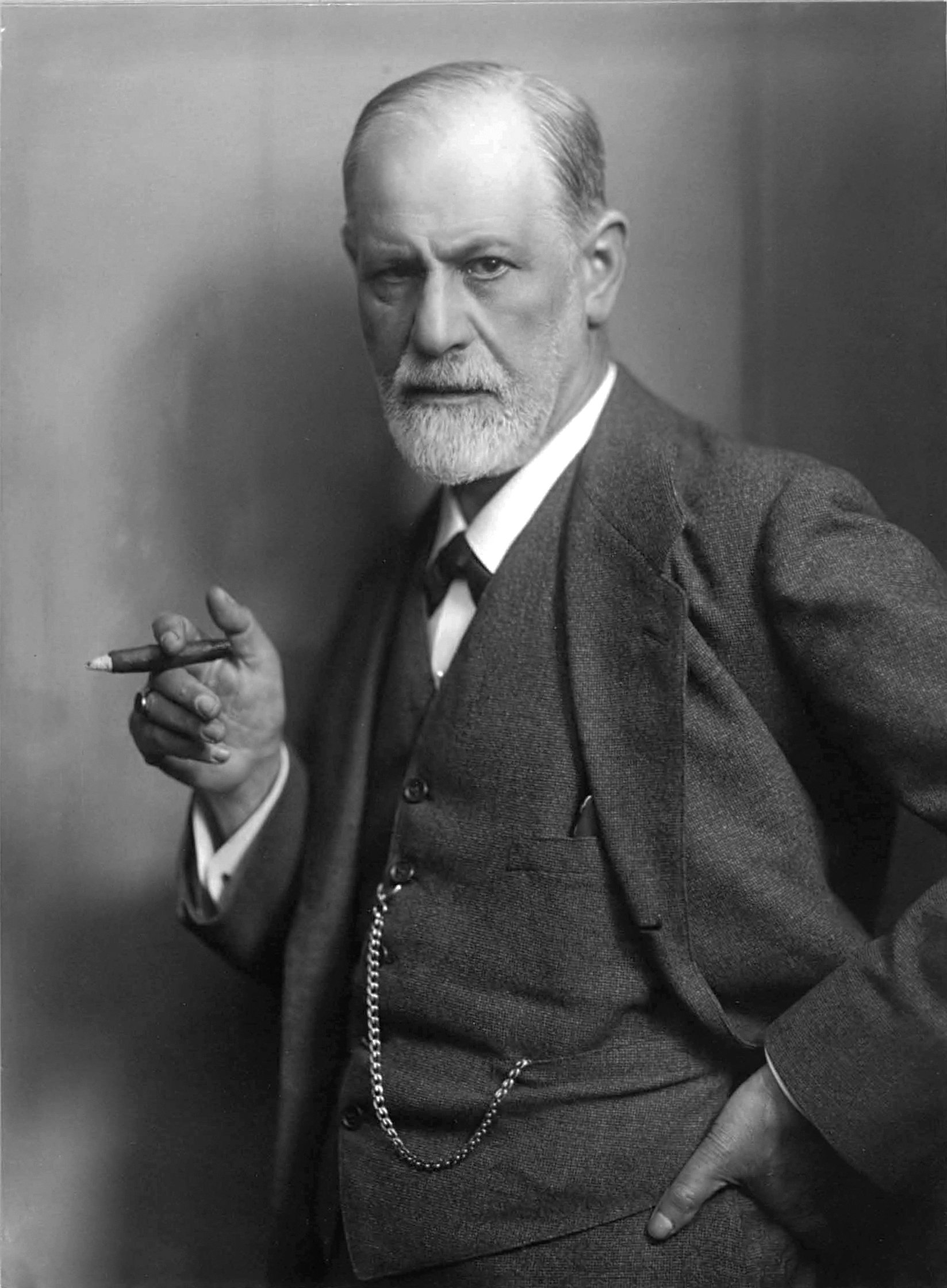
Sigmund Freud
Sigmund Freud
1856-1939
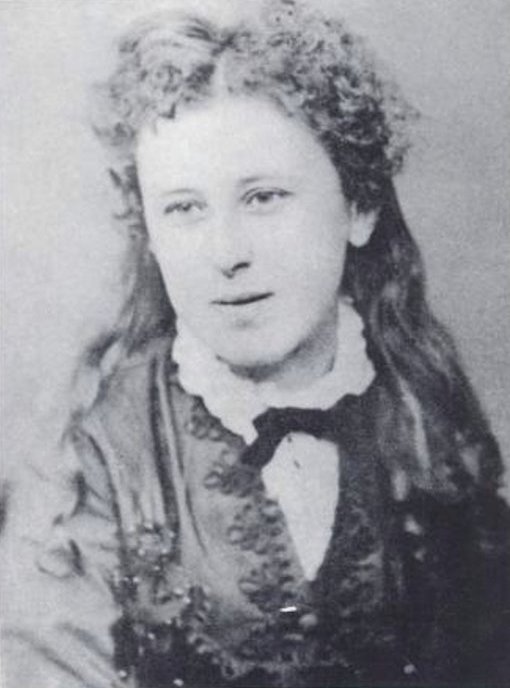
Vernon Lee
Vernon Lee
1856-1935
B. H. Roberts
B. H. Roberts
1857-1933