Adolphe Retté
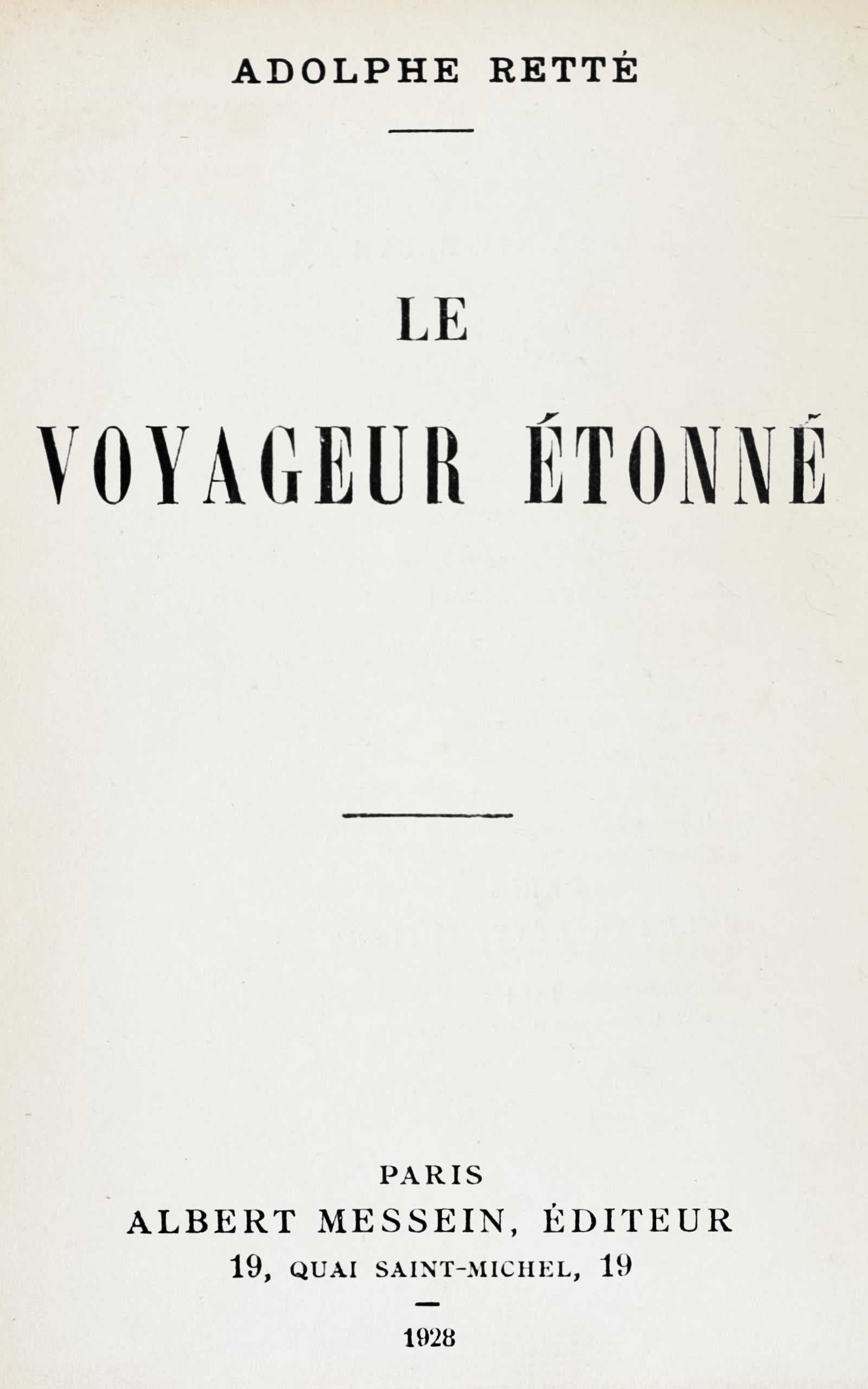
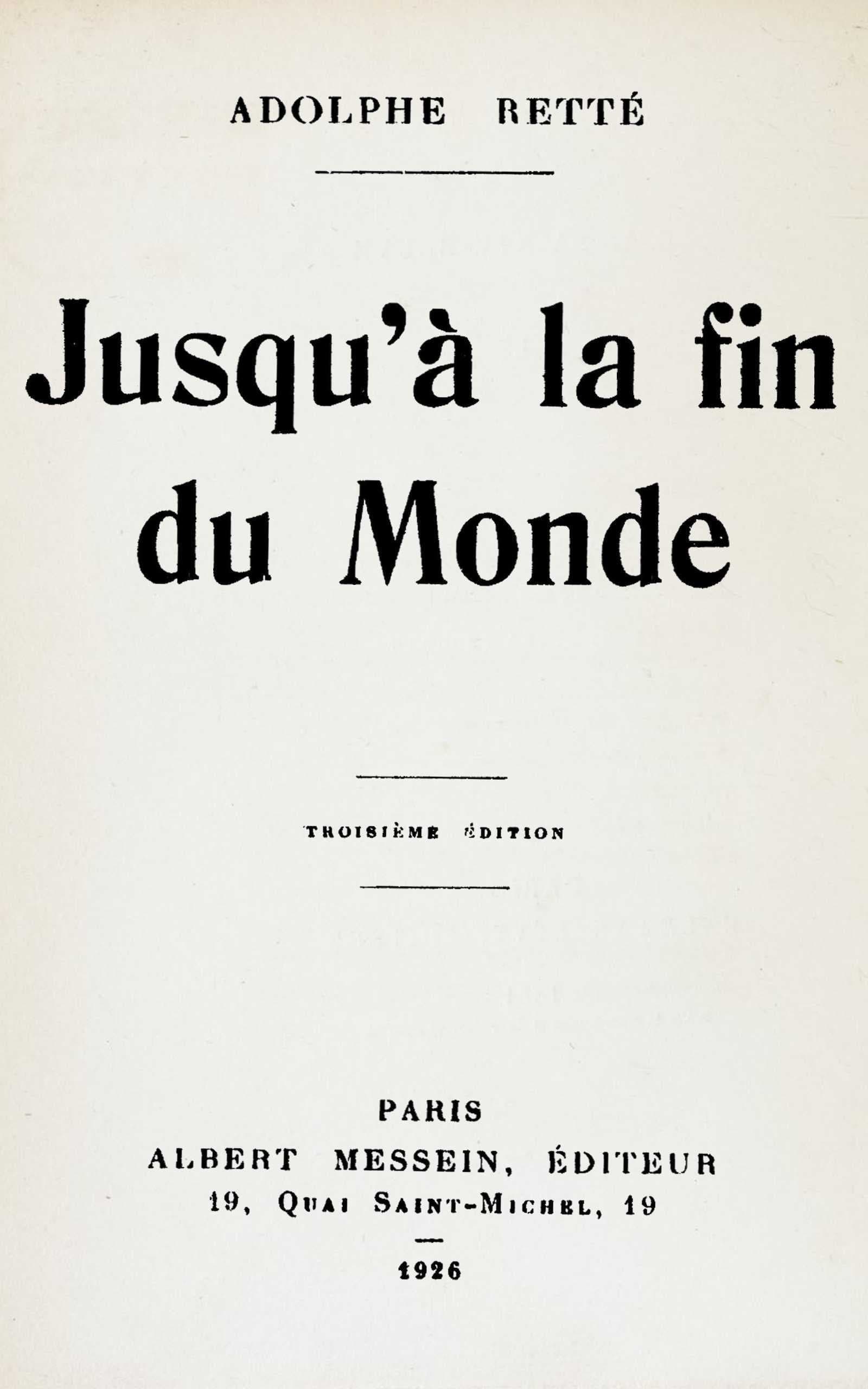
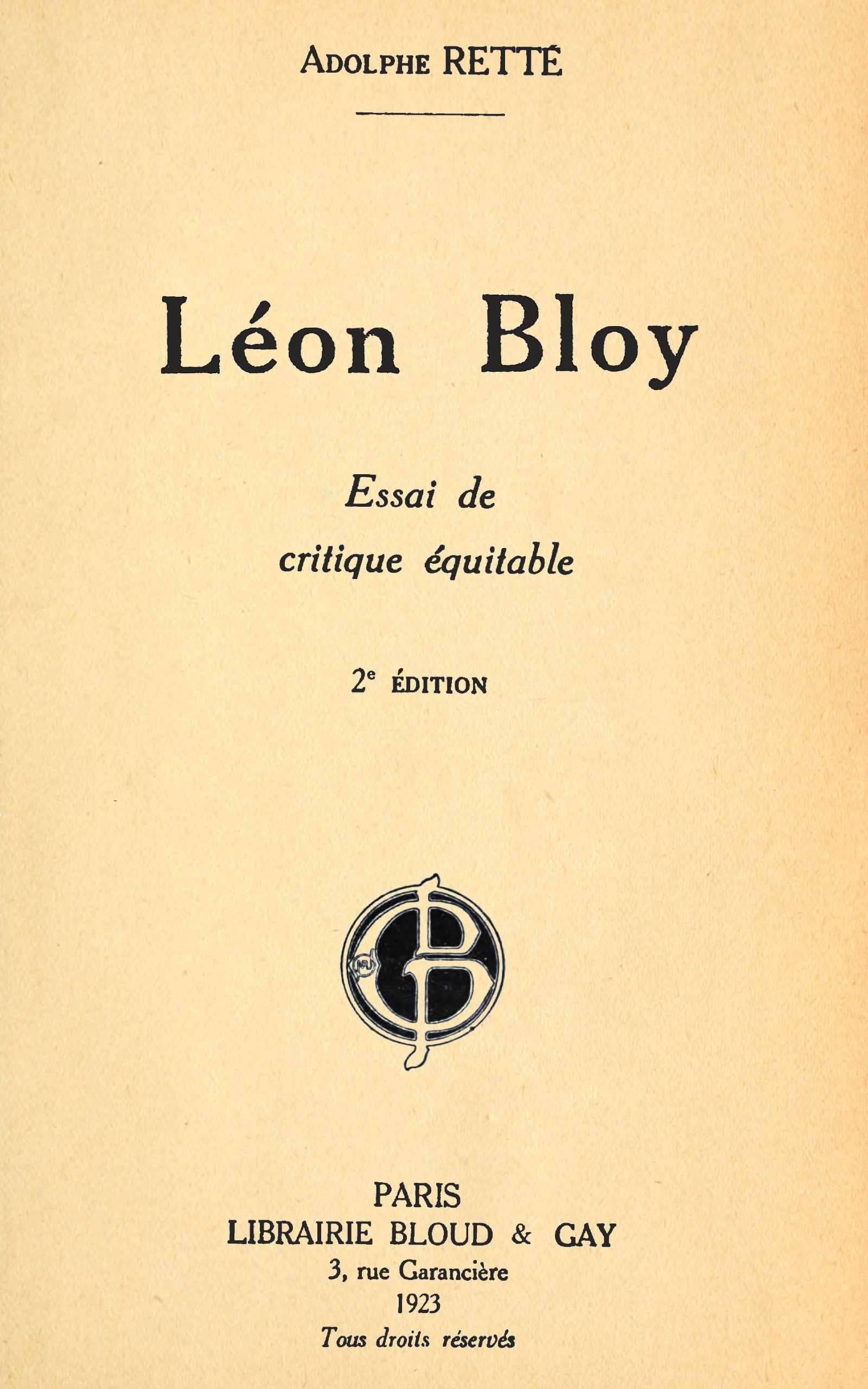
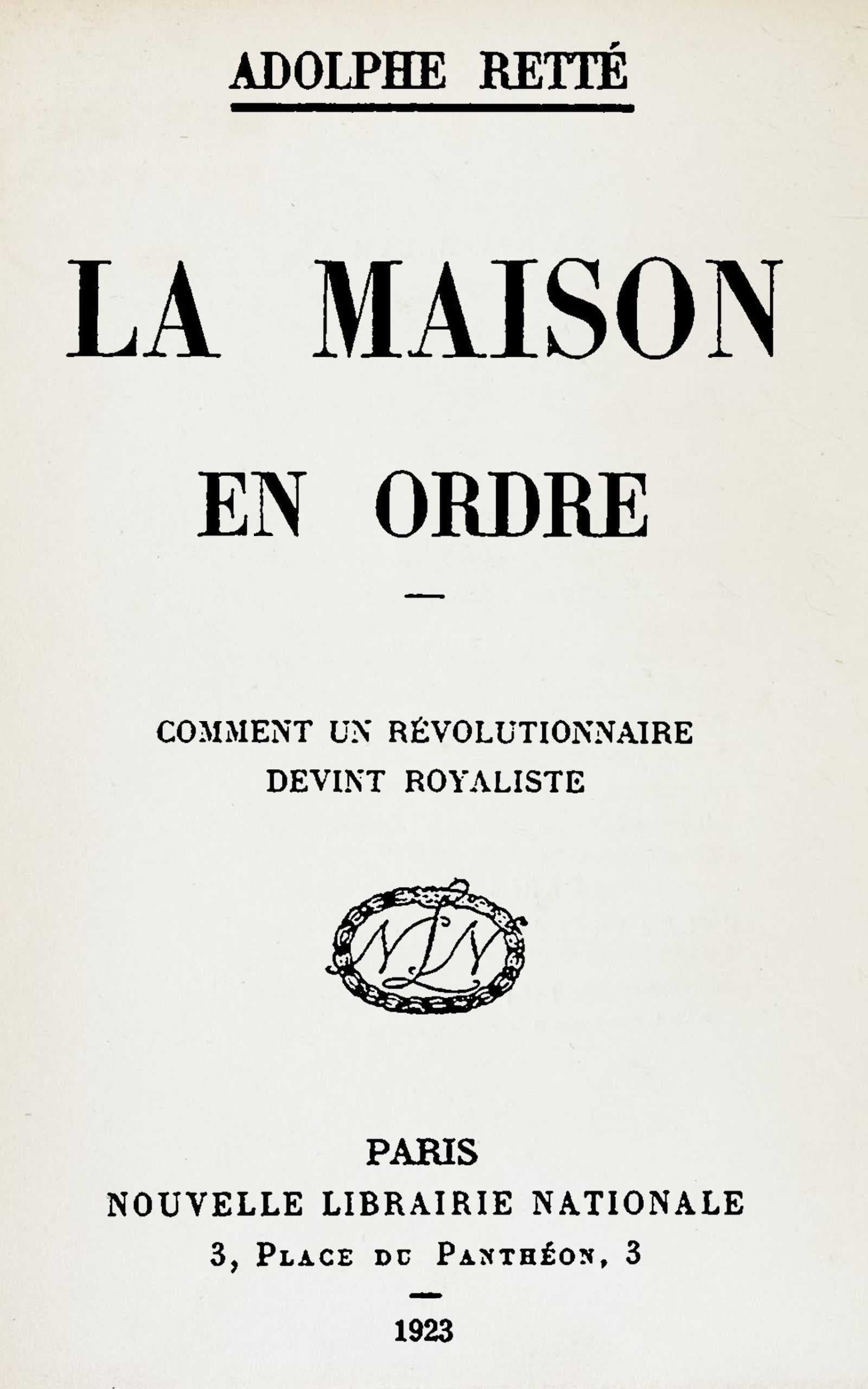
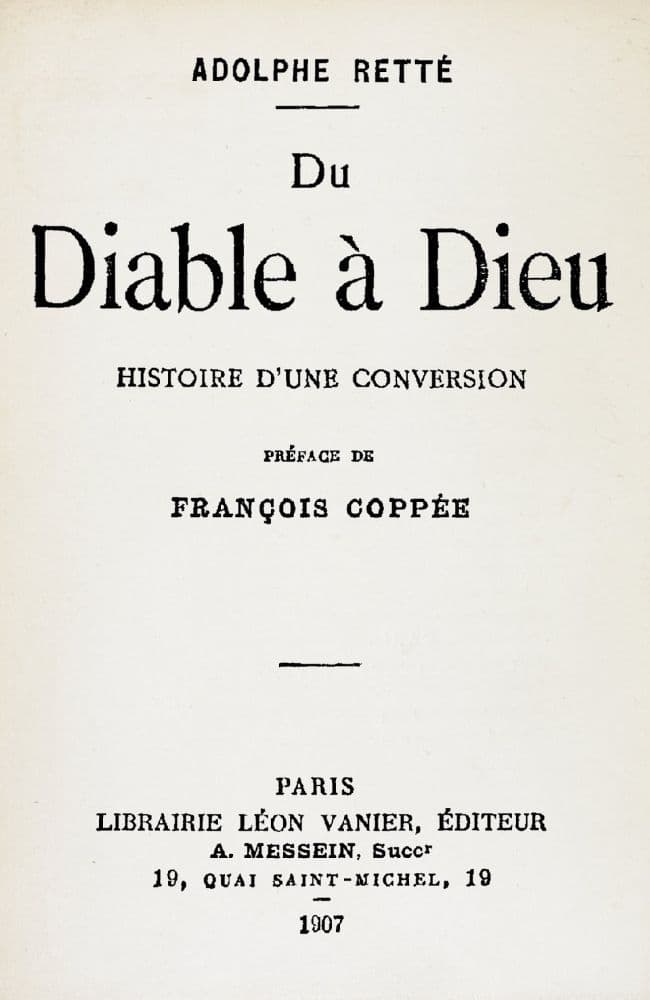
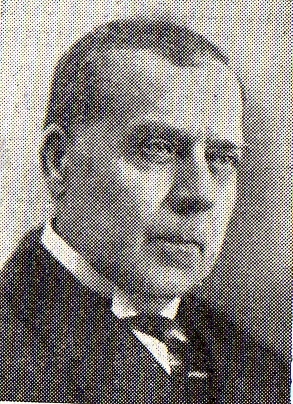
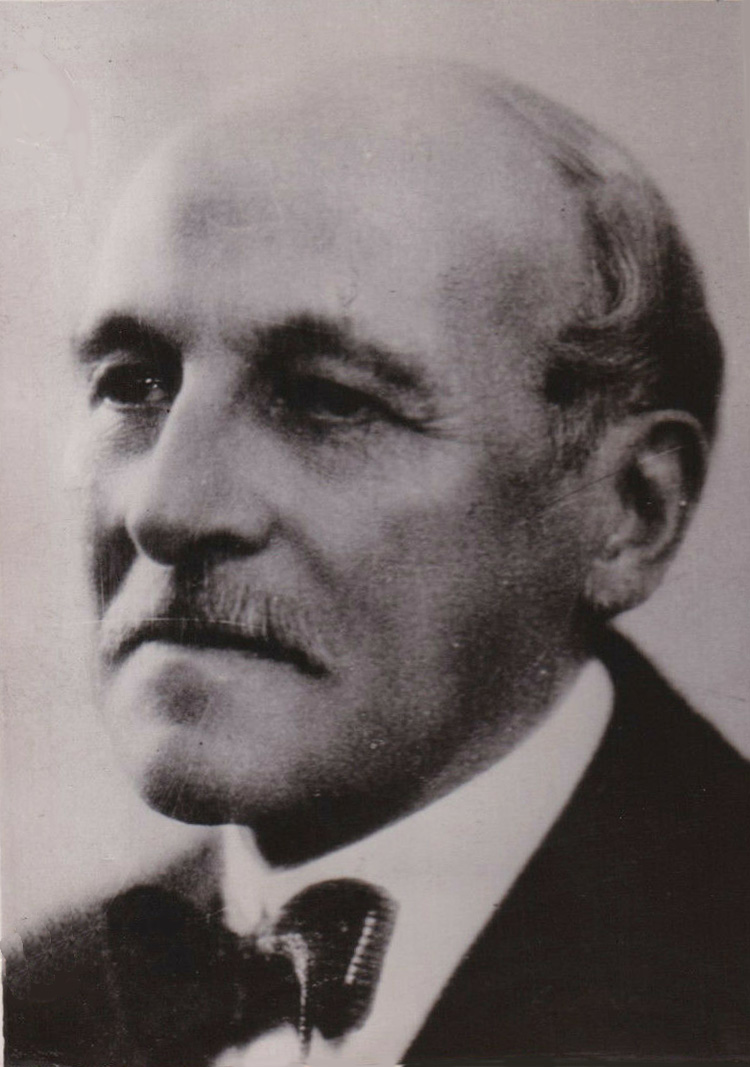
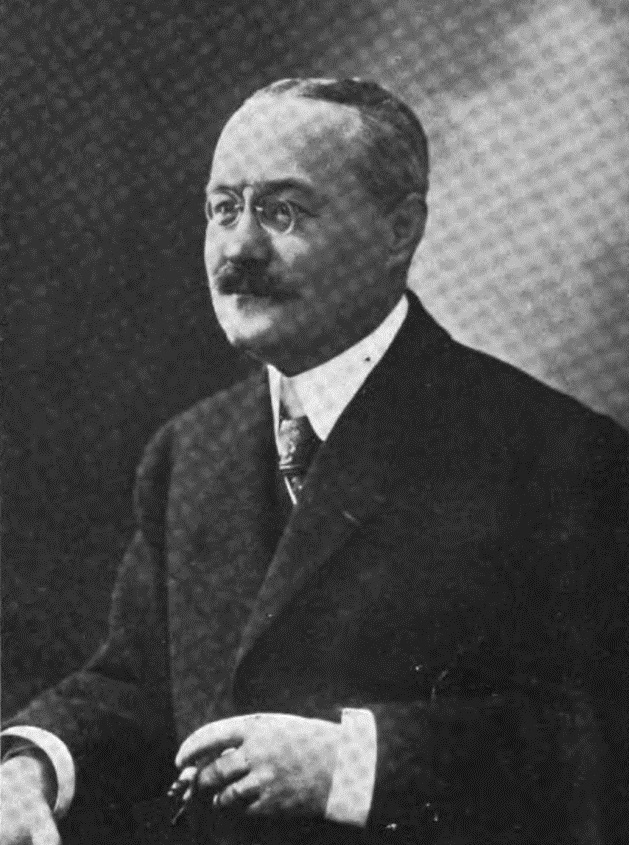
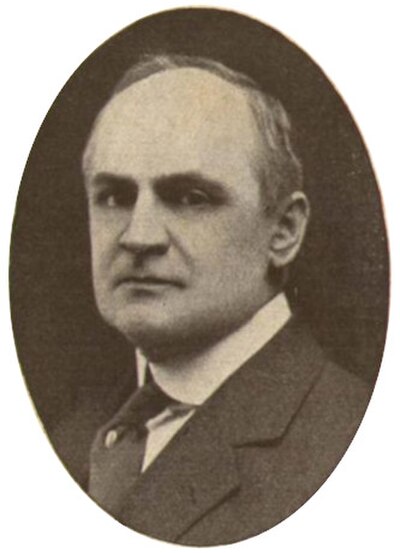
Adolphe Retté was a French writer and critic, known for his diverse literary contributions that spanned fiction, criticism, and essays. Born in 1863, Retté's works often reflected his deep engagement with philosophical and spiritual themes, as well as his interest in the complexities of human experience. His notable titles include 'Le Voyageur Étonné,' which captures a sense of wonder and exploration, and 'Jusqu'à La Fin Du Monde,' a work that delves into existential questions and the human condition. Retté's literary style is characterized by a blend of poetic language and incisive thought, making his writings both reflective and impactful. Retté was also a keen critic, as seen in 'Léon Bloy: Essai De Critique Équitable,' where he examined the works of fellow writer Léon Bloy with a balanced perspective. His essays, such as 'Lettres À UN Indifférent,' reveal his philosophical musings on faith, indifference, and the search for meaning. Additionally, 'La Maison En Ordre: Comment UN Révolutionnaire Devint Royaliste' showcases his personal journey and ideological shifts, illustrating the tumultuous political landscape of his time. Through works like 'Du Diable À Dieu: Histoire D'une Conversion,' Retté explored themes of redemption and transformation, contributing to the rich tapestry of early 20th-century French literature. His legacy lies in his ability to intertwine literary artistry with profound philosophical inquiry, marking him as a significant figure in the literary scene of his era.
Books from the author





Link to this page
Add a free, dofollow link to Lex on your blog, forum, syllabus, or reading list.

<a href="https://lex-books.com/author/adolphe-retté"><img src="https://lex-books.com/badges/read-on-lex.svg" alt="Adolphe Retté on Lex" width="160" height="40"></a>[](https://lex-books.com/author/adolphe-retté)[url=https://lex-books.com/author/adolphe-retté][img]https://lex-books.com/badges/read-on-lex.svg[/img][/url]Adolphe Retté on Lex: https://lex-books.com/author/adolphe-retté