The Way of Initiation; Or, How to Attain Knowledge of the Higher Worlds
1908
The Way of Initiation; Or, How to Attain Knowledge of the Higher Worlds
1908
Translated by Max Gysi
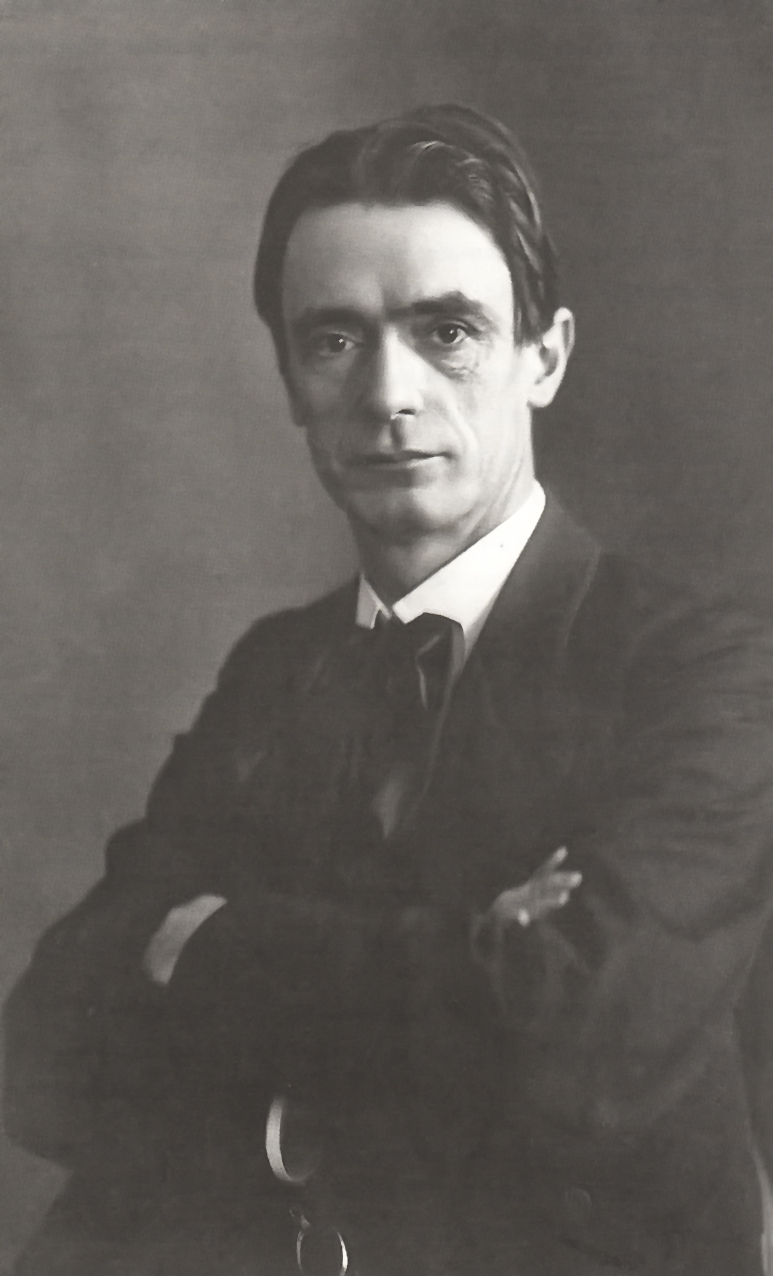
Rudolf Steiner wrote this practical guide to spiritual development in 1908, offering what he called the Western esoteric path of initiation. Unlike abstract philosophy, this is a working manual for consciousness itself. Steiner guides readers through three transformative stages: preparation, illumination, and initiation, each demanding specific practices in observation, meditation, and moral development. The book addresses a question that haunts thoughtful modern people: what lies beyond the material world we can see and measure? Steiner argues that everyone possesses latent spiritual faculties, waiting to be awakened through disciplined inner work. He provides concrete exercises for developing these capacities, emphasizing that genuine spiritual insight requires both inner calm and reverence. What makes this book distinctive is its systematic approach: Steiner treats spiritual development like any other discipline, requiring patience, practice, and persistence. The rewards are tangible: new organs of perception form, revealing higher worlds that have always been present but invisible to untrained consciousness. A century after publication, this remains the essential text for anyone seeking a practical, methodical path beyond materialism.
Editions
X-Ray
“Feelings are for the soul what food is for the body.””
— Rudolf Steiner
“Whoever seeks higher knowledge must create it for himself. He must instill it into his soul. It cannot be done by study; it can only be done through life. Whoever, therefore, wishes to become a student of higher knowledge must assiduously cultivate this inner life of devotion. Everywhere in his environment and his experiences he must seek motives of admiration and homage. If I meet a man and blame him for his shortcomings, I rob myself of power to attain higher knowledge; but if I try to enter lovingly into his merits, I gather such power. The student must continually be intent upon following this advice. The spiritually experienced know how much they owe to the circumstance that in face of all things they ever again turn to the good, and withhold adverse judgement. But this must not remain an external rule of life; rather it must take possession of our innermost soul.””
— Rudolf Steiner
“for even the wisest can learn incalculably much from children.””
— Rudolf Steiner
“Some day, when I have grown sufficiently, I shall attain that which I am destined to attain,””
— Rudolf Steiner
“All knowledge pursued merely for the enrichment of personal learning and the accumulation of personal treasure leads you away from the path; but all knowledge pursued for growth to ripeness within the process of human ennoblement and cosmic development brings you a step forward.””
— Rudolf Steiner
“There slumber in every human being faculties by means of which he can acquire for himself a knowledge of higher worlds. Mystics, Gnostics, Theosophists”
— Rudolf Steiner
“The heights of the spirit can only be climbed by passing through the portals of humility. You can only acquire right knowledge when you have learnt to esteem it. Man has certainly the right to turn his eyes to the light, but he must first acquire this right.””
— Rudolf Steiner
“It cannot be repeated too often that this transformation does not alienate him from the world. He will in no way be estranged from his daily tasks and duties, for he comes to realize that the most insignificant action he has to accomplish, the most insignificant experience which offers itself to him, stands in connection with cosmic beings and cosmic events. When once this connection is revealed to him in his moments of contemplation, he comes to his daily activities with a new, fuller power. For now he knows that his labor and his suffering are given and endured for the sake of a great, spiritual, cosmic whole. Not weariness, but strength to live springs from meditation.””
— Rudolf Steiner
“The tranquility of the moments set apart will also affect everyday existence. In his whole being he will grow calmer; he will attain firm assurance in all his actions, and cease to be put out of countenance by all manner of incidents. By thus advancing he will gradually become more and more his own guide, and allow himself less and less to be led by circumstances and external influences. He will soon discover how great a source of strength is available to him in these moments thus set apart. He will begin no longer to get angry at things which formerly annoyed him; countless things he formerly feared cease to alarm him. He acquires a new outlook on life.””
— Rudolf Steiner
Link to this book
Add a free, dofollow link to Lex on your blog, forum, syllabus, or reading list.

<a href="https://lex-books.com/book/the-way-of-initiation-or-how-to-attain-knowledge-of-the-higher-worlds-3e75f336-9483-4290-9156-0fd7510004b8"><img src="https://lex-books.com/badges/read-on-lex.svg" alt="Read The Way of Initiation; Or, How to Attain Knowledge of the Higher Worlds by Rudolf Steiner free on Lex" width="160" height="40"></a>[](https://lex-books.com/book/the-way-of-initiation-or-how-to-attain-knowledge-of-the-higher-worlds-3e75f336-9483-4290-9156-0fd7510004b8)[url=https://lex-books.com/book/the-way-of-initiation-or-how-to-attain-knowledge-of-the-higher-worlds-3e75f336-9483-4290-9156-0fd7510004b8][img]https://lex-books.com/badges/read-on-lex.svg[/img][/url]Read The Way of Initiation; Or, How to Attain Knowledge of the Higher Worlds by Rudolf Steiner free on Lex: https://lex-books.com/book/the-way-of-initiation-or-how-to-attain-knowledge-of-the-higher-worlds-3e75f336-9483-4290-9156-0fd7510004b8Cite this book
Reading this edition for a paper or guide? Copy a citation.
Steiner, Rudolf. The Way of Initiation; Or, How to Attain Knowledge of the Higher Worlds. Lex, lex-books.com/book/the-way-of-initiation-or-how-to-attain-knowledge-of-the-higher-worlds-3e75f336-9483-4290-9156-0fd7510004b8.Steiner, R. (1908). The Way of Initiation; Or, How to Attain Knowledge of the Higher Worlds. Lex. https://lex-books.com/book/the-way-of-initiation-or-how-to-attain-knowledge-of-the-higher-worlds-3e75f336-9483-4290-9156-0fd7510004b8Steiner, Rudolf. The Way of Initiation; Or, How to Attain Knowledge of the Higher Worlds. Lex. https://lex-books.com/book/the-way-of-initiation-or-how-to-attain-knowledge-of-the-higher-worlds-3e75f336-9483-4290-9156-0fd7510004b8.