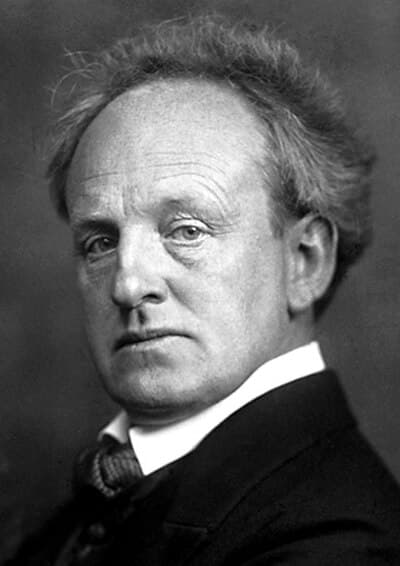
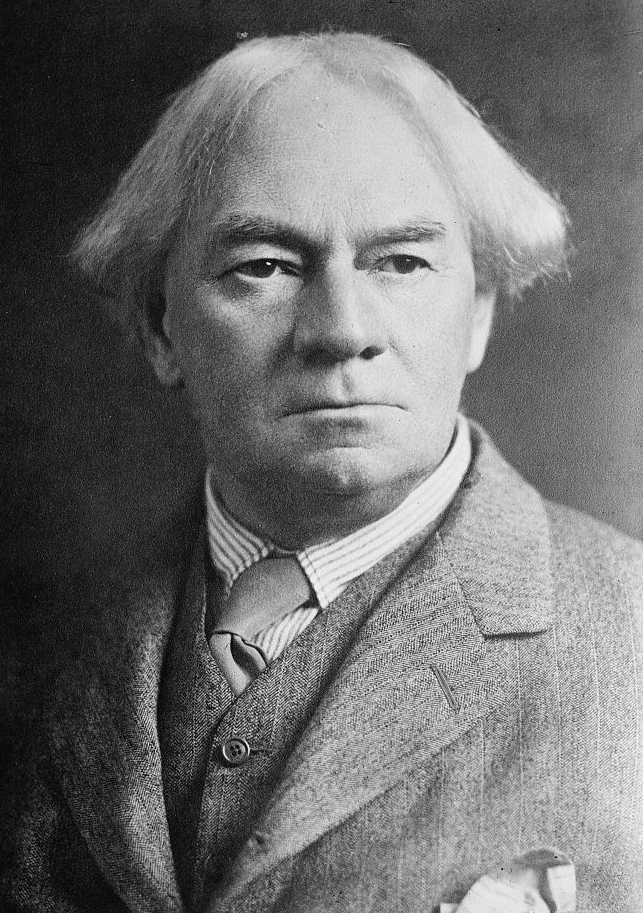
Gerhart Hauptmann
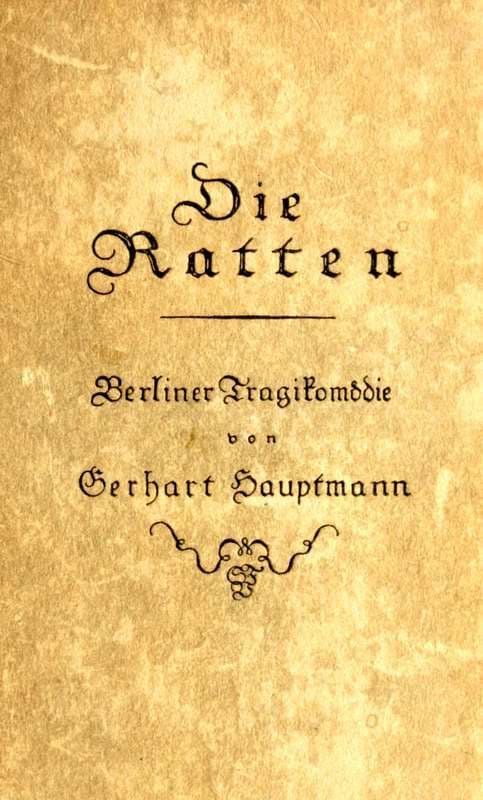
Gerhart Hauptmann was a prominent German dramatist and novelist, recognized as a leading figure in the movement of literary naturalism. Born in 1862, he became known for his ability to weave various styles into his works, which often explored the complexities of human existence and social issues. Hauptmann's most notable plays, such as 'The Weavers' and 'The Rats,' showcased his commitment to realism and his deep empathy for the struggles of the working class. His works frequently highlighted the tensions between individual desires and societal constraints, making significant contributions to the evolution of modern drama. In 1912, Hauptmann was awarded the Nobel Prize in Literature, solidifying his status as a key literary figure of his time. His influence extended beyond the borders of Germany, impacting playwrights and authors across Europe. Hauptmann's legacy lies in his pioneering approach to drama and narrative, which paved the way for future generations of writers to explore the depths of human experience through a naturalistic lens. His exploration of themes such as poverty, social injustice, and existential despair continues to resonate in contemporary literature and theater.
Famous Quotes
View all 3 quotes“Writing poetry consists in letting the Word be heard behind words.”
“Wie soll man in einer Welt leben in der einem alles und alles gleichgültig oder zum Ekel ist?”
“Einem erschlossenen Acker gleichen die Seelen der Menschen an Feiertagen. (Aus: der Apostel 1890)”
Books from the author







Link to this page
Add a free, dofollow link to Lex on your blog, forum, syllabus, or reading list.

<a href="https://lex-books.com/author/gerhart-hauptmann"><img src="https://lex-books.com/badges/read-on-lex.svg" alt="Gerhart Hauptmann on Lex" width="160" height="40"></a>[](https://lex-books.com/author/gerhart-hauptmann)[url=https://lex-books.com/author/gerhart-hauptmann][img]https://lex-books.com/badges/read-on-lex.svg[/img][/url]Gerhart Hauptmann on Lex: https://lex-books.com/author/gerhart-hauptmann