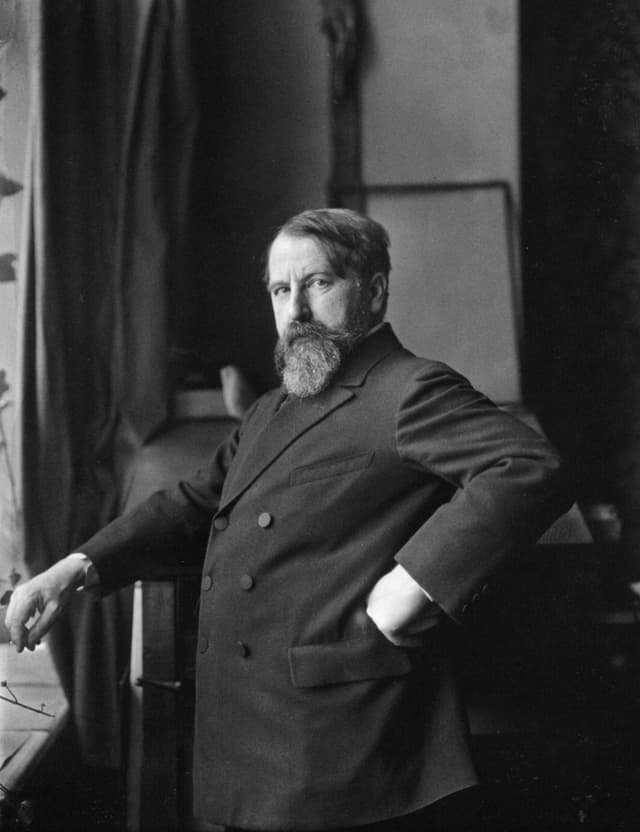
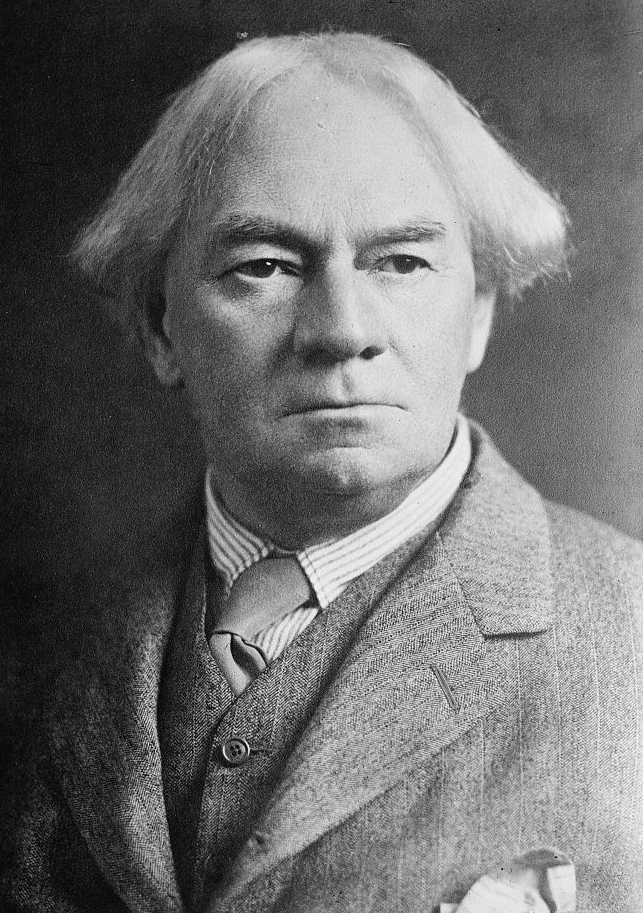
Arthur Schnitzler
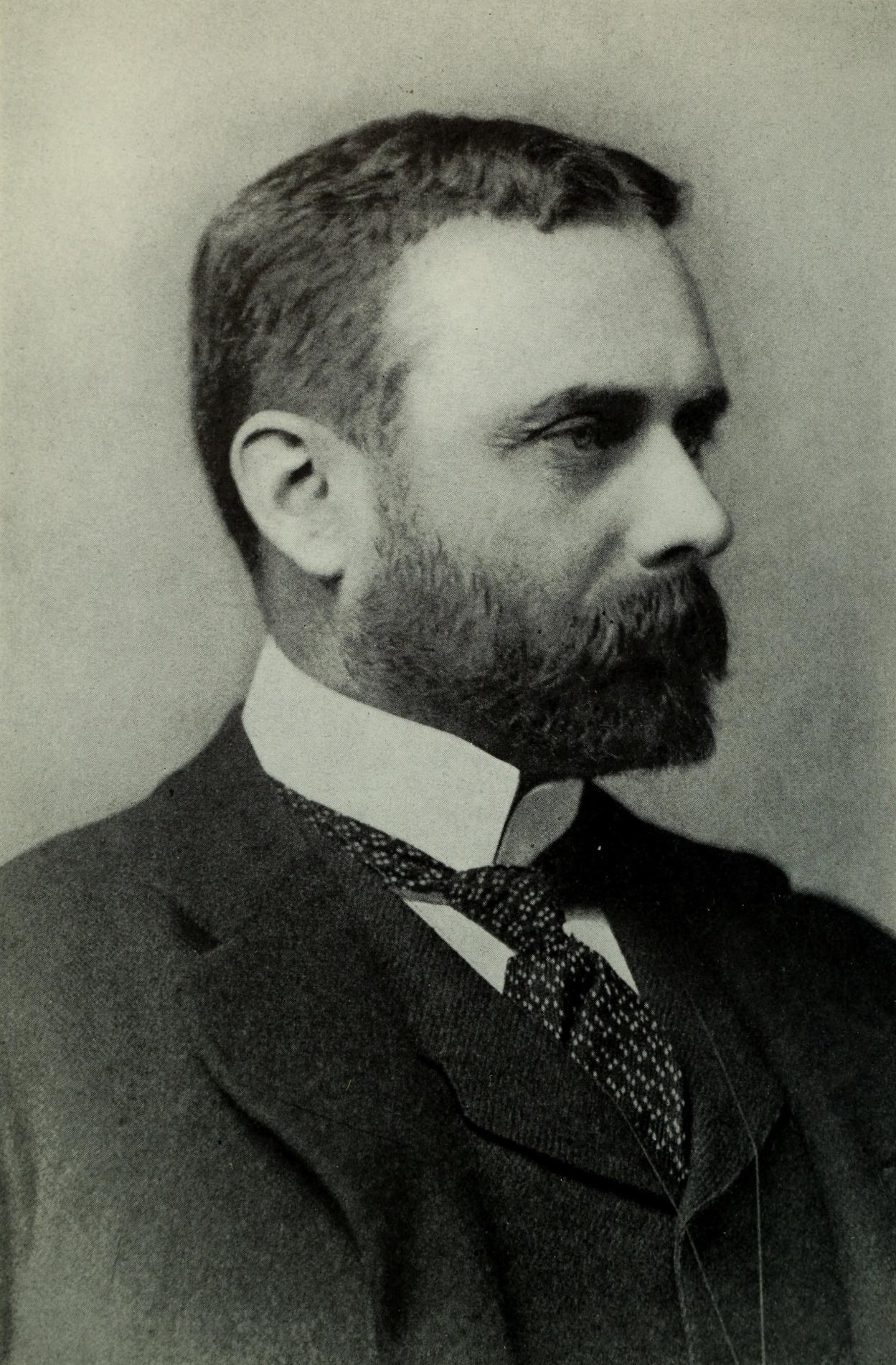
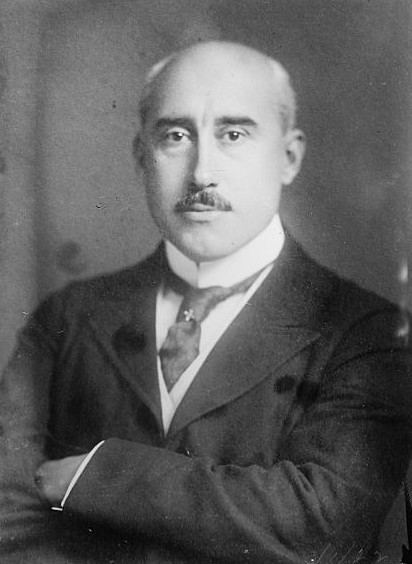
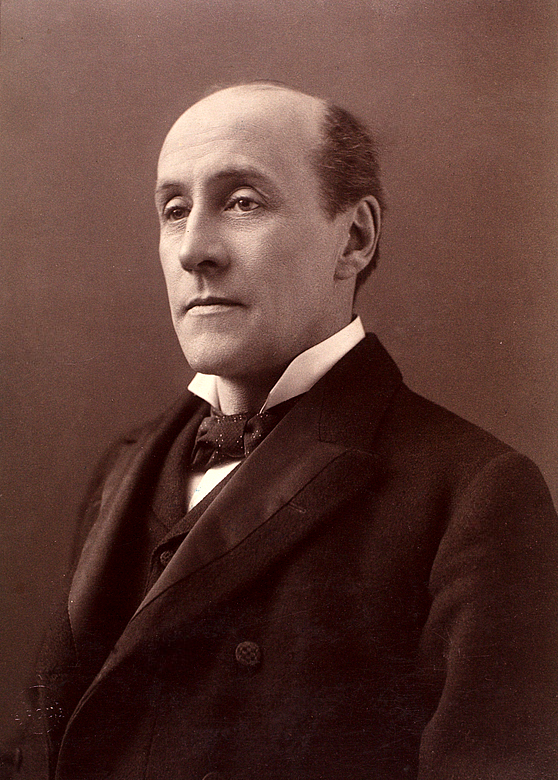
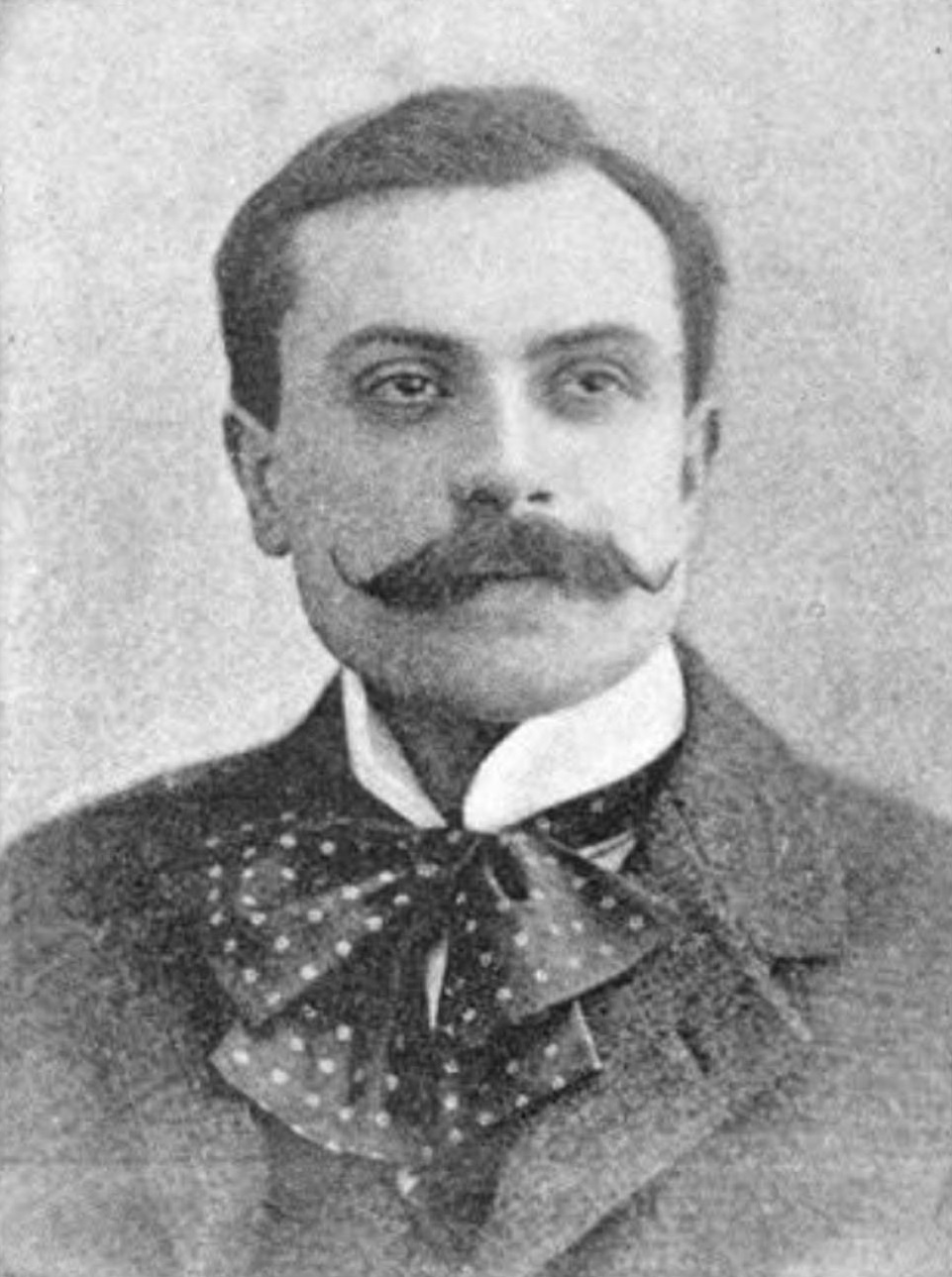
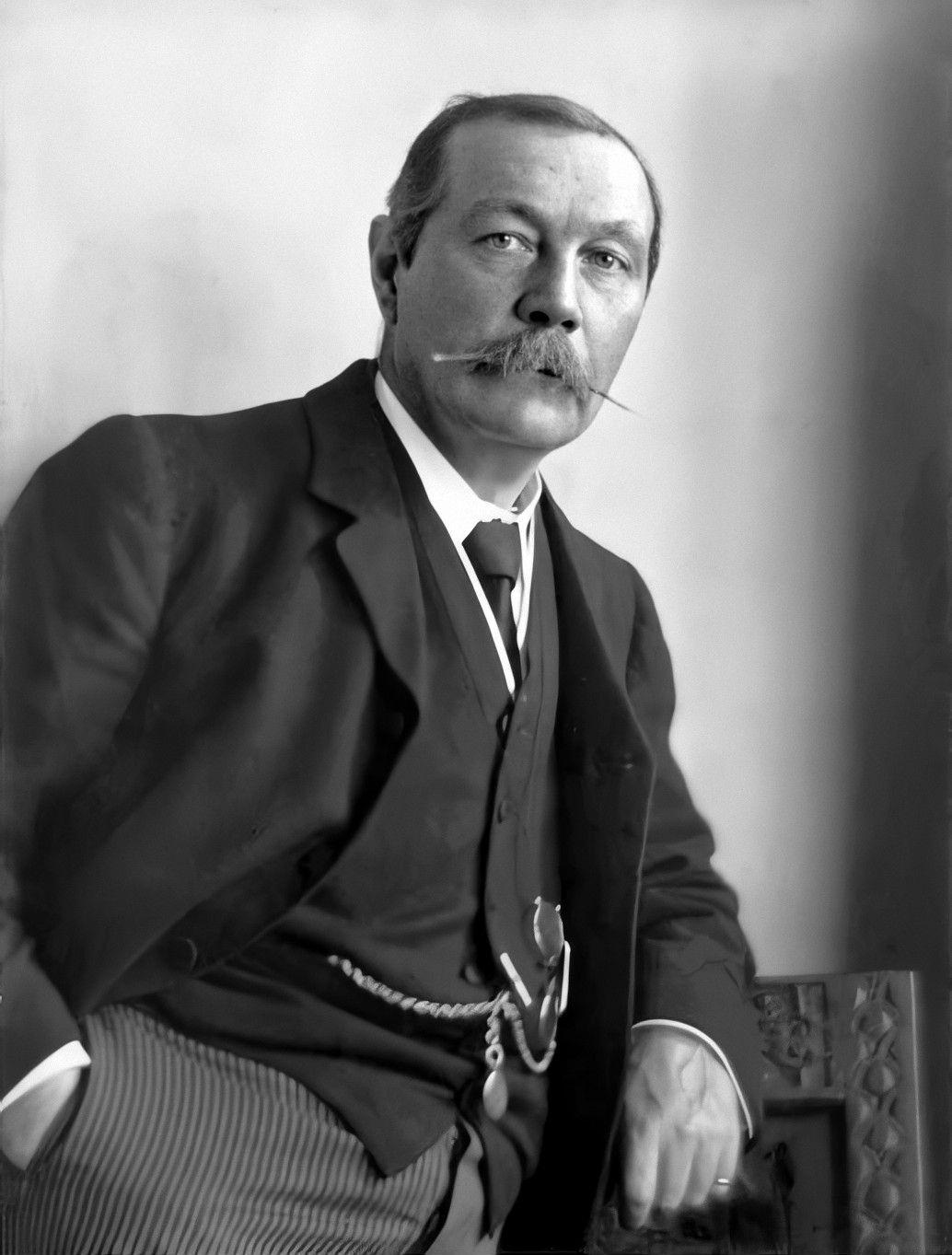
Arthur Schnitzler was an influential Austrian author and dramatist, recognized as a key figure in Viennese Modernism. His works, characterized by their psychological depth and incisive social commentary, explored the complexities of bourgeois life in turn-of-the-century Vienna. Schnitzler's narratives often delved into themes of sexuality, morality, and the human psyche, reflecting the tensions and contradictions of his time. Notable works such as 'La Ronde' and 'Fräulein Else' exemplify his innovative approach to storytelling and character development, often challenging societal norms and expectations. Schnitzler's Jewish heritage and the provocative nature of his writing led to significant controversy, with many of his works facing censorship and bans. Despite this, he left a lasting impact on literature and drama, influencing later writers and playwrights with his exploration of psychological realism and social critique. His legacy endures as a testament to the complexities of human relationships and the intricacies of societal structures, making him a pivotal figure in the landscape of early 20th-century literature.
Famous Quotes
View all 3 quotes“Oh, we do not understand death, we never understand it; creatures are only truly dead when everyone else has died who knew them.”
“Am I sure? Only as sure as I am that the reality of one night, let alone that of a whole lifetime, can ever be the whole truth.”
“There are all kinds of flight from responsibility. There is a flight into death, a flight into sickness, and finally a flight into stupidity.”
Books from the author



![Hands Around [Reigen]: A Cycle of Ten Dialogues](/_next/image?url=https%3A%2F%2Fd3b2n8gj62qnwr.cloudfront.net%2FCOVERS%2Fgutenberg_covers75k%2Febook-53513.png&w=3840&q=75)





Link to this page
Add a free, dofollow link to Lex on your blog, forum, syllabus, or reading list.

<a href="https://lex-books.com/author/arthur-schnitzler"><img src="https://lex-books.com/badges/read-on-lex.svg" alt="Arthur Schnitzler on Lex" width="160" height="40"></a>[](https://lex-books.com/author/arthur-schnitzler)[url=https://lex-books.com/author/arthur-schnitzler][img]https://lex-books.com/badges/read-on-lex.svg[/img][/url]Arthur Schnitzler on Lex: https://lex-books.com/author/arthur-schnitzler