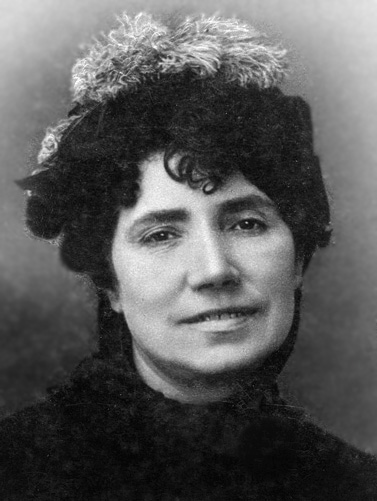
Rosalía de Castro
Rosalía de Castro was a prominent Galician poet and novelist, recognized as a key figure in the Galician literary revival of the 19th century. Born in Santiago de Compostela, she spent much of her life advocating for the Galician language and culture, which were often marginalized in Spain. Her early works, such as 'Cantares Gallegos' (1863), celebrated the beauty of the Galician landscape and folk traditions, while her later writings delved into themes of identity, love, and social justice. 'Follas Novas' (1880) marked a significant evolution in her poetry, showcasing a more personal and introspective style that resonated deeply with her readers. De Castro's literary significance lies not only in her contributions to Galician literature but also in her role as a feminist voice in a male-dominated society. She challenged the conventions of her time, addressing issues of women's rights and social inequality through her poignant verses and narratives. Her legacy endures, as she is celebrated as one of the foremost figures in Galician literature, inspiring generations of writers and activists who continue to advocate for cultural and linguistic rights in Galicia and beyond.
Famous Quotes
View all 12 quotes“All times are beautiful for those who maintain joy within them; but there is no happy or favorable time for those with disconsolate or orphaned souls.””
“Eu son libre, nada pode conter a marcha dos meus pensamentos, e eles son a lei que rexe o meu destino””
“Tengo miedo de una cosaque vive y que no se ve.Tengo miedo a la desgracia traidoraque viene, y que nunca se sabe dónde viene. Adrianie, donde estas.””
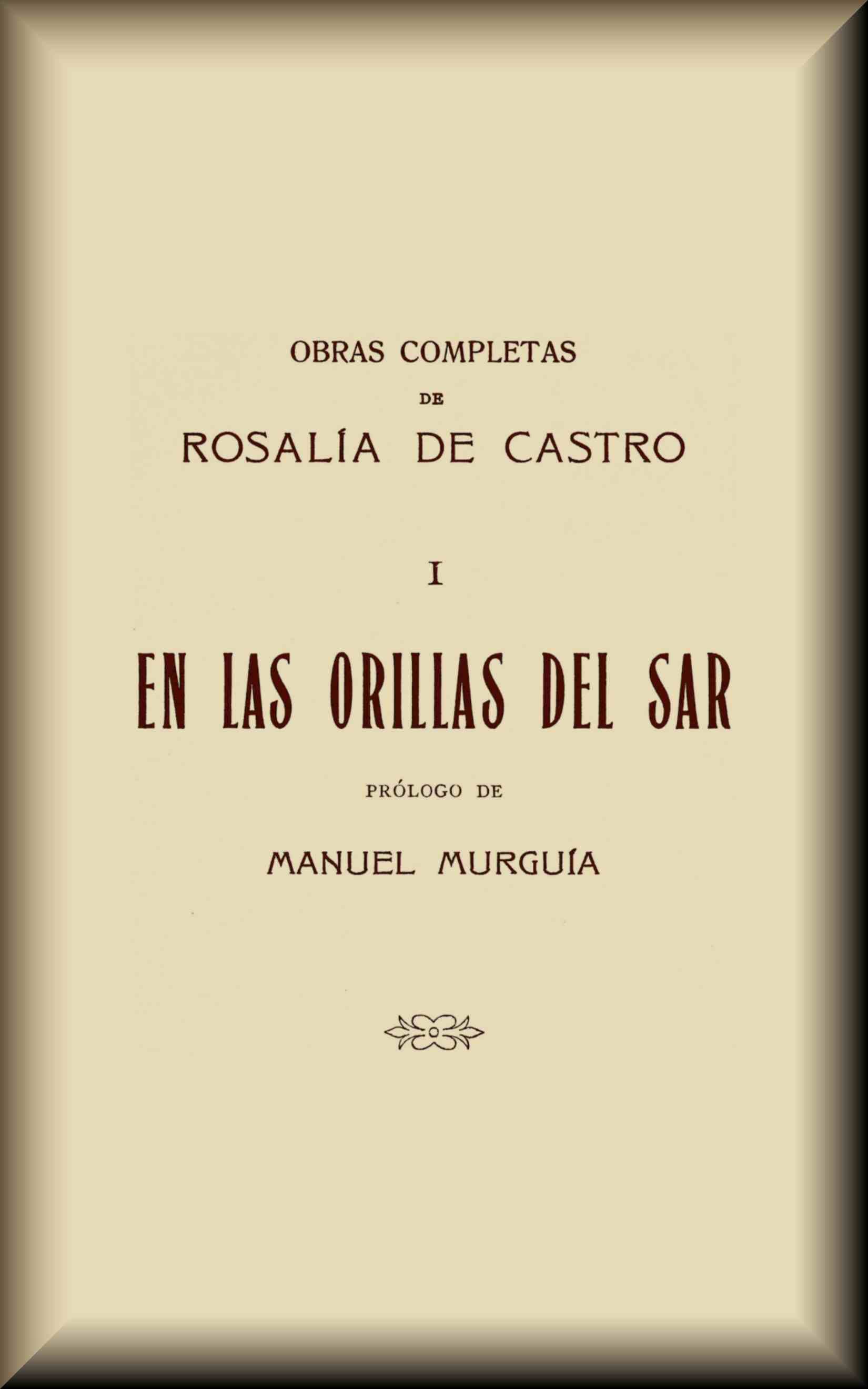
Books from the author








Link to this page
Add a free, dofollow link to Lex on your blog, forum, syllabus, or reading list.

<a href="https://lex-books.com/author/rosalía-de-castro"><img src="https://lex-books.com/badges/read-on-lex.svg" alt="Rosalía de Castro on Lex" width="160" height="40"></a>[](https://lex-books.com/author/rosalía-de-castro)[url=https://lex-books.com/author/rosalía-de-castro][img]https://lex-books.com/badges/read-on-lex.svg[/img][/url]Rosalía de Castro on Lex: https://lex-books.com/author/rosalía-de-castro