
Robert Bridges
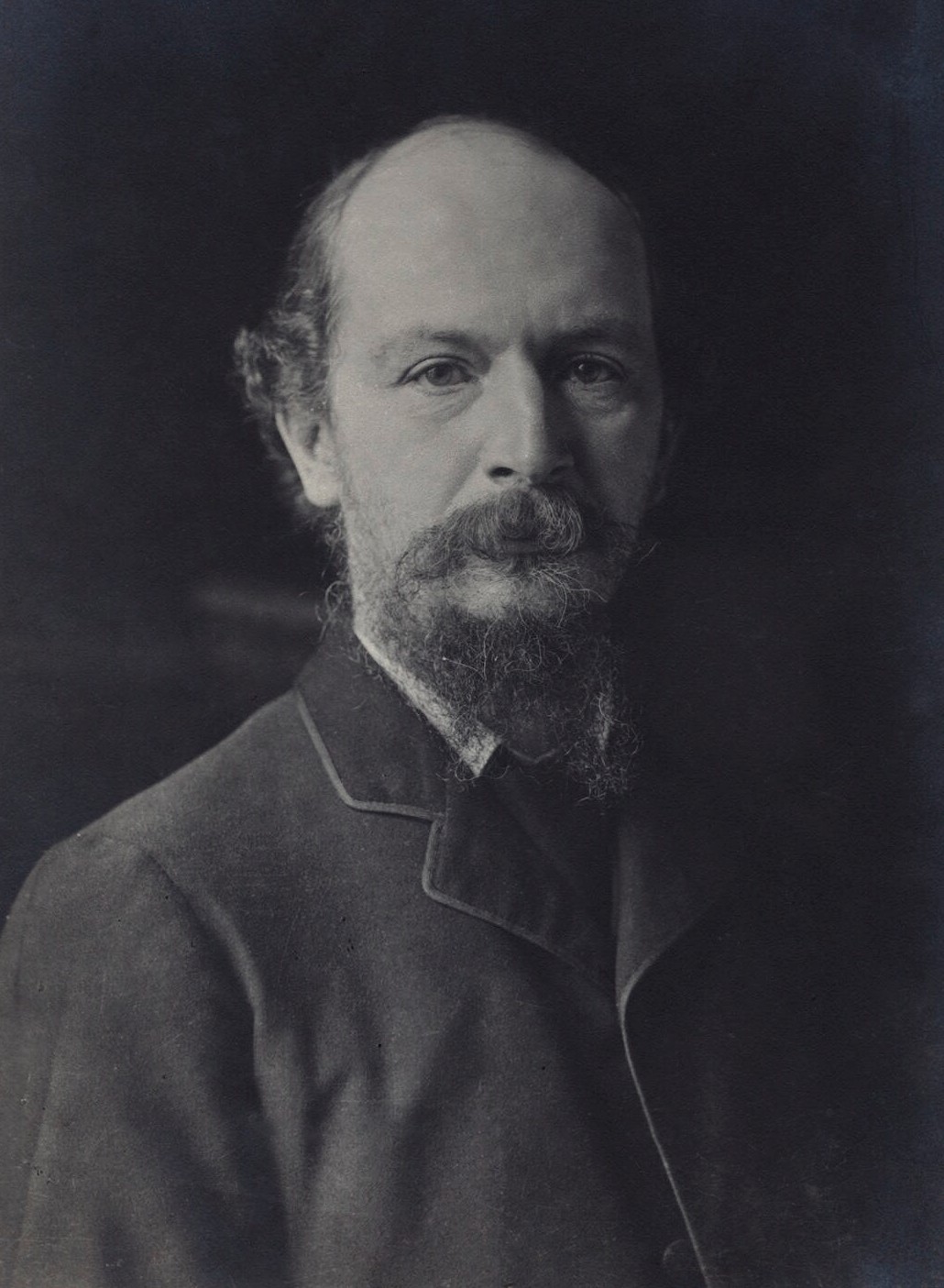
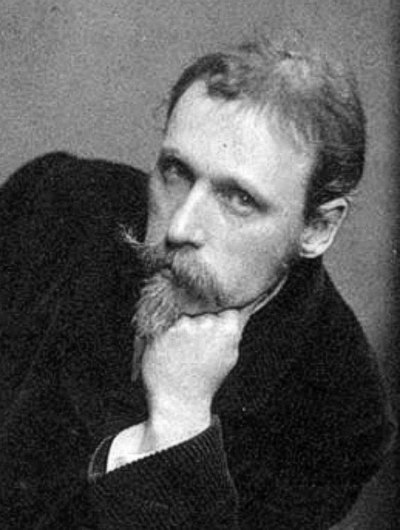
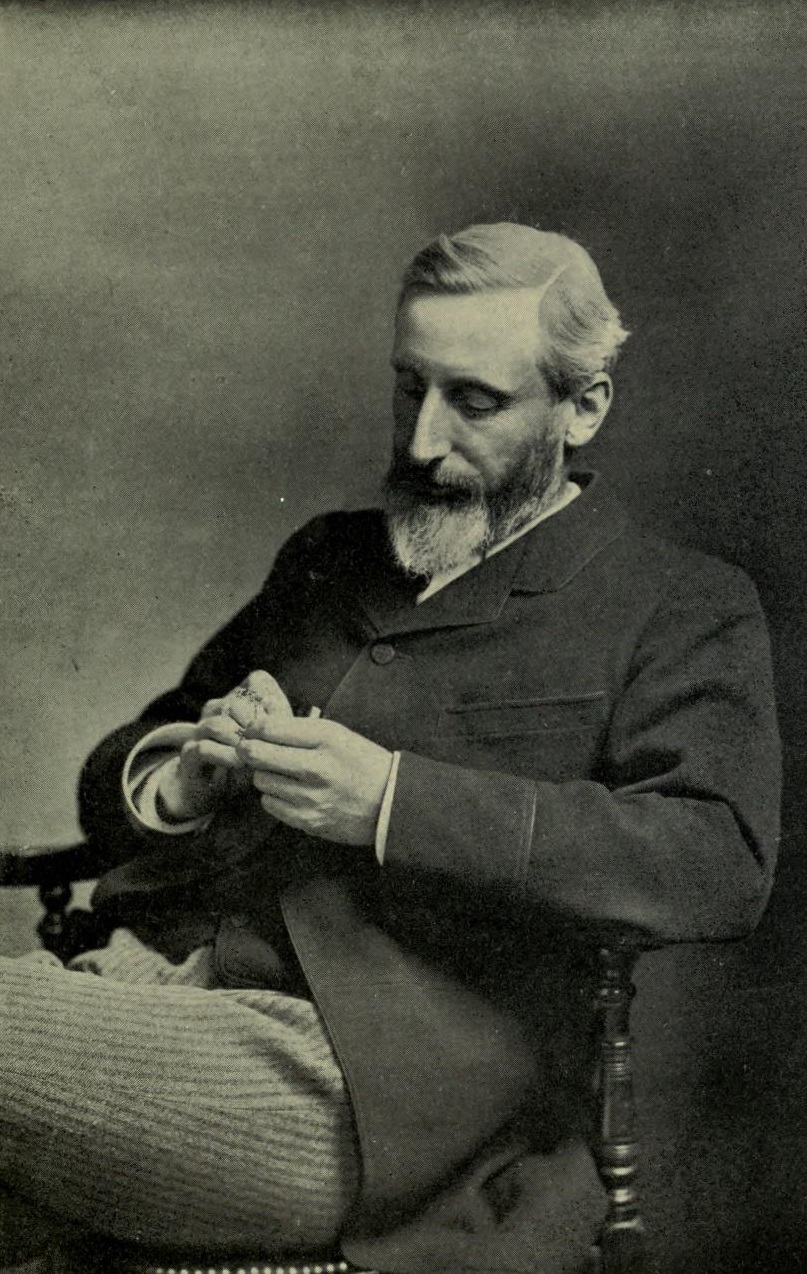
Robert Bridges was a British poet renowned for his deep Christian faith and lyrical mastery, serving as Poet Laureate from 1913 until his death in 1930. Initially trained as a physician, he practiced medicine before turning to poetry, achieving significant literary recognition later in life. His works often reflect his spiritual beliefs and include many well-known hymns, showcasing his ability to blend personal faith with poetic expression. Notably, Bridges played a crucial role in bringing the works of Gerard Manley Hopkins to a wider audience, ensuring that Hopkins's innovative style and themes were appreciated posthumously. Bridges's poetry is characterized by its formal structure and musicality, with collections such as "The Testament of Beauty" and "Poems" highlighting his skillful use of language and rhythm. His contributions to literature extend beyond his own writings; through his advocacy and promotion of fellow poets, he left an indelible mark on the landscape of British poetry. Bridges's legacy endures not only in his own verse but also in the influence he had on the recognition of modernist poetry in the early 20th century.
Famous Quotes
View all 3 quotes“Weep not today: why should this sadness be? Learn in present fears To o'ermaster those tears That unhindered conquer thee.”
“The evening darkens over After a day so bright, The windcapt waves discover That wild will be the night.”
“When first we met we did not guess that Love would prove so hard a master.”
Books from the author



Link to this page
Add a free, dofollow link to Lex on your blog, forum, syllabus, or reading list.

<a href="https://lex-books.com/author/robert-bridges"><img src="https://lex-books.com/badges/read-on-lex.svg" alt="Robert Bridges on Lex" width="160" height="40"></a>[](https://lex-books.com/author/robert-bridges)[url=https://lex-books.com/author/robert-bridges][img]https://lex-books.com/badges/read-on-lex.svg[/img][/url]Robert Bridges on Lex: https://lex-books.com/author/robert-bridges