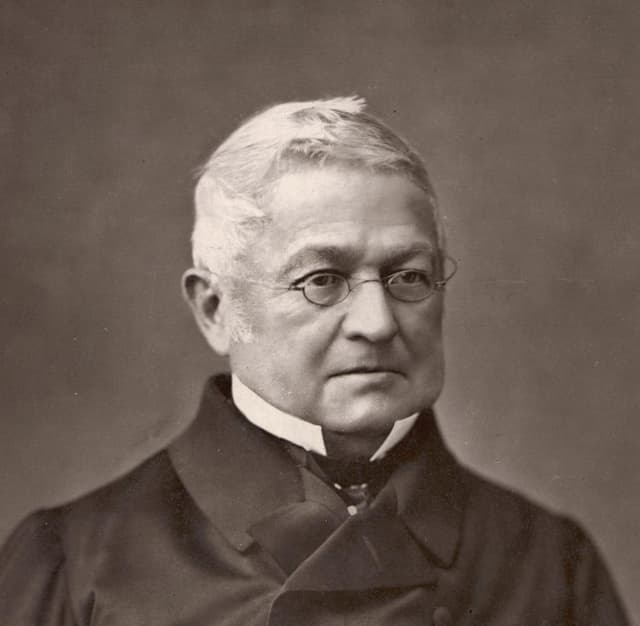
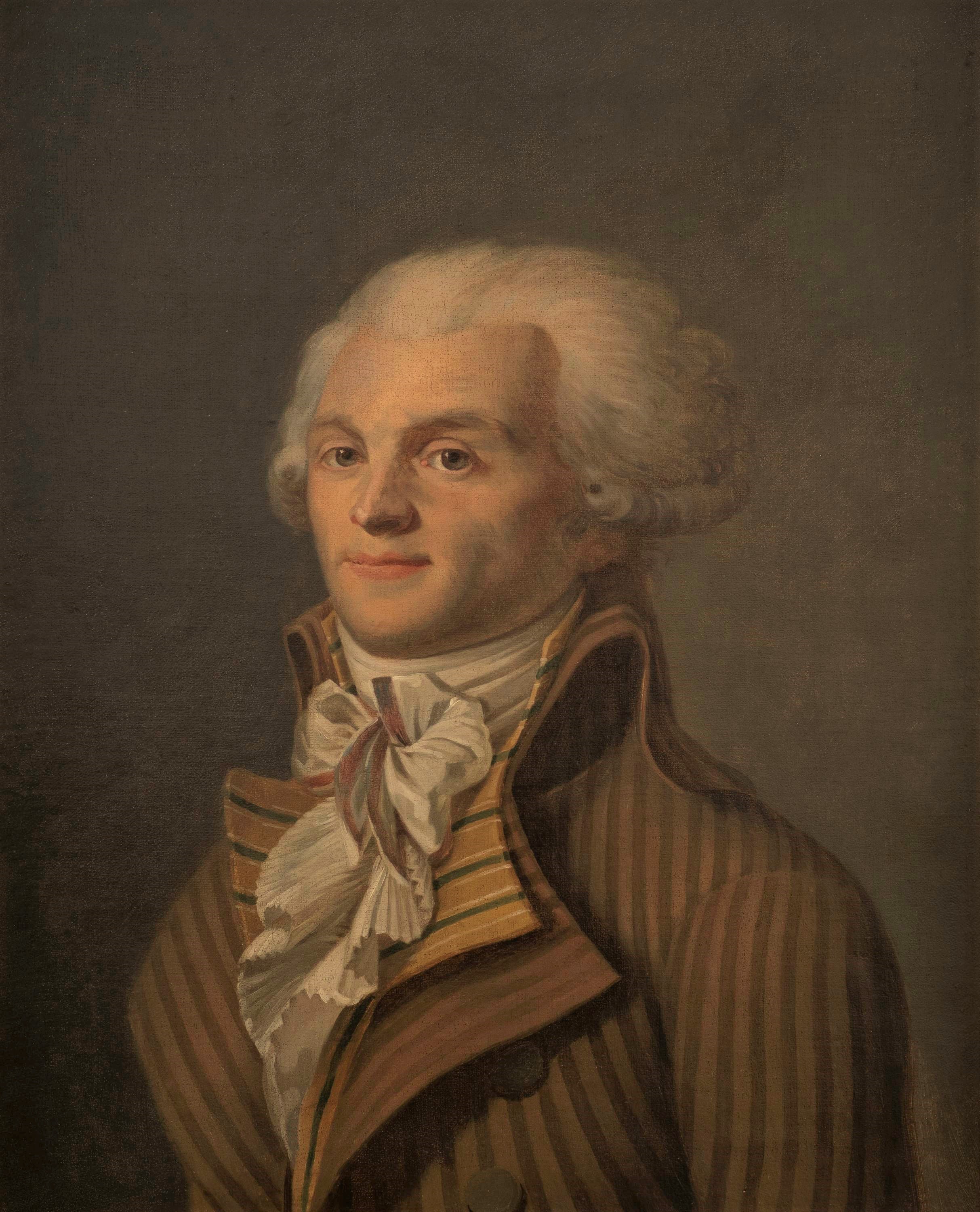
Adolphe Thiers
Marie Joseph Louis Adolphe Thiers was a prominent French statesman and historian, best known for his role as the first president of the Third French Republic from 1871 to 1873. A key figure in the political upheavals of 19th-century France, Thiers was instrumental in the July Revolution of 1830, which led to the overthrow of King Charles X, and he played a significant part in the Revolution of 1848 that established the Second French Republic. His political career included serving as prime minister and overseeing notable events such as the dedication of the Arc de Triomphe and the return of Napoleon's remains from Saint Helena. Thiers was initially a supporter of Louis-Napoléon Bonaparte but later became one of his fiercest critics, leading to his arrest and temporary exile during the coup d'état of 1851. Following France's defeat in the Franco-Prussian War, Thiers emerged as a central figure in the new government, negotiating peace and ultimately suppressing the Paris Commune in 1871. His presidency was marked by the successful withdrawal of German troops from French territory ahead of schedule, a significant achievement that solidified his legacy. However, his tenure was contentious, facing opposition from both monarchists and left-wing republicans, which culminated in his resignation in 1873. Thiers' death in 1877 was met with a grand funeral, attended by prominent republican leaders, reflecting his complex legacy as a statesman who navigated the turbulent political landscape of his time.
Famous Quotes
View all 3 quotes“il n'y a qu'un véritable législateur dans les temps modernes, c'est l'expérience.”
“In general, the country is wise, but the political parties are not. It is these, and only these, that we have to fear. It is only these which we have to guard against.”
“C'est le goût des génies supérieurs, qui ont besoin d'être compris et obéis, et point suppléés.”
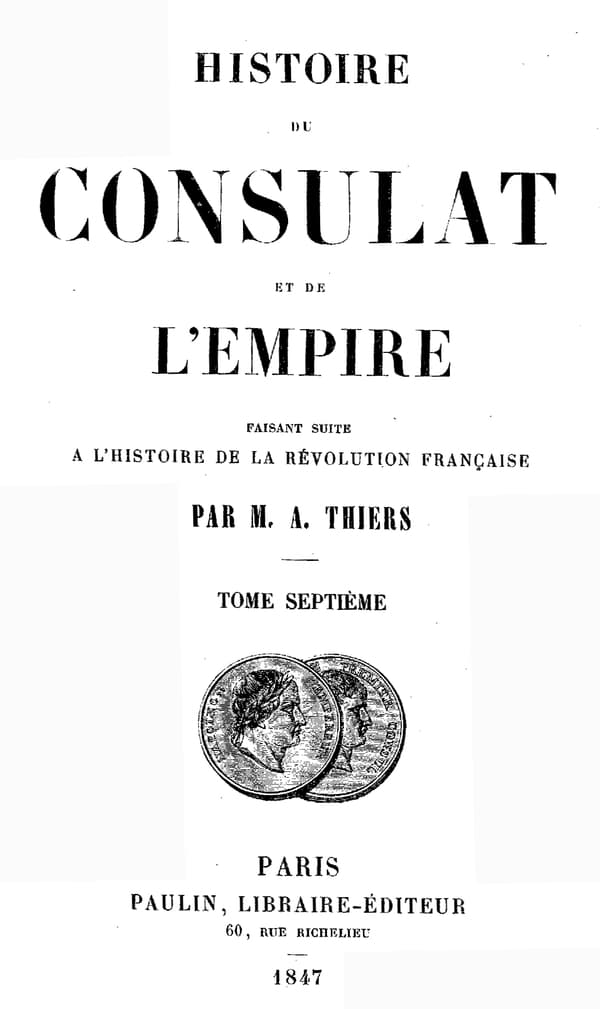
Books from the author










Link to this page
Add a free, dofollow link to Lex on your blog, forum, syllabus, or reading list.

<a href="https://lex-books.com/author/adolphe-thiers"><img src="https://lex-books.com/badges/read-on-lex.svg" alt="Adolphe Thiers on Lex" width="160" height="40"></a>[](https://lex-books.com/author/adolphe-thiers)[url=https://lex-books.com/author/adolphe-thiers][img]https://lex-books.com/badges/read-on-lex.svg[/img][/url]Adolphe Thiers on Lex: https://lex-books.com/author/adolphe-thiers