
Richard Lovelace
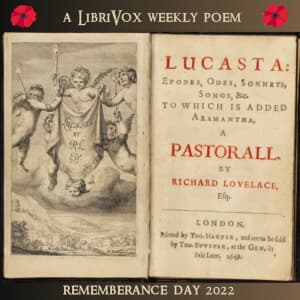
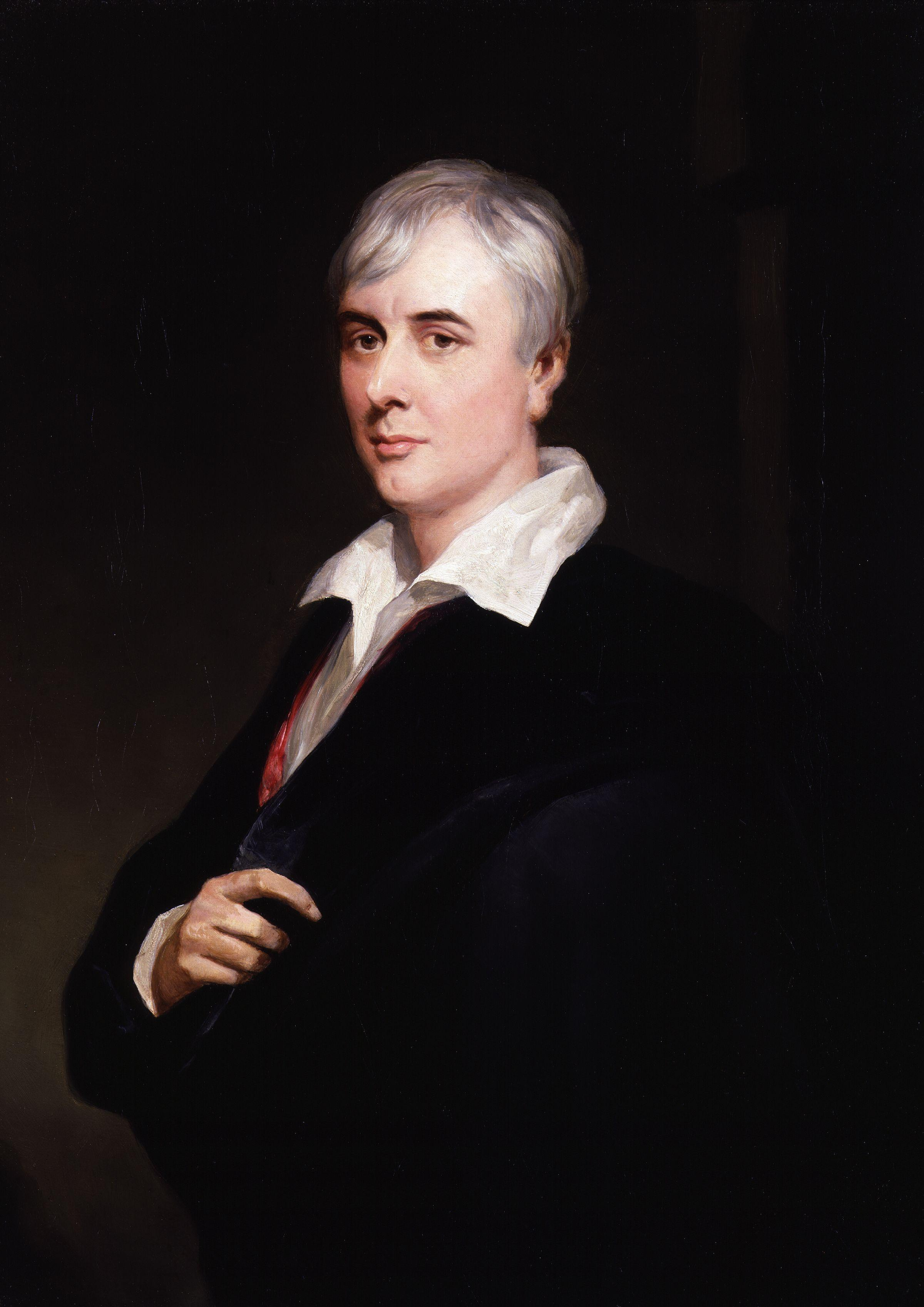
Richard Lovelace was an English poet of the seventeenth century, known for his association with the Cavalier poets and his staunch support of King Charles I during the English Civil War. Born into a well-to-do family, Lovelace was educated at Oxford, where he developed a passion for poetry and the arts. His works often reflect the themes of love, loyalty, and the struggles of the royalist cause, encapsulating the spirit of his time. Notable poems such as 'To Althea, from Prison' showcase his lyrical prowess and his ability to blend personal sentiment with broader political commentary. Lovelace's poetry is characterized by its elegant style and emotional depth, making him a significant figure in the literary landscape of the 17th century. His works not only celebrate the ideals of chivalry and romance but also serve as poignant reflections on the tumultuous political climate of his era. Despite facing imprisonment for his royalist beliefs, Lovelace's legacy endures through his contributions to English poetry, influencing later generations of poets with his blend of personal and political themes. His life and works remain a testament to the complexities of loyalty and artistic expression during a time of great upheaval in England.
Famous Quotes
View all 3 quotes“Stone walls do not a prison make, Nor iron bars a cage; Minds innocent and quiet take That for an hermitage; If I have freedom in my love And in my soul am free, Angels alone, that soar above, Enjoy such liberty.”
“I could not love thee, Dear, so much, Loved I not Honour more.”
“Stone walls do not a prison make, Nor iron bars a cage.”
Books from the author


Link to this page
Add a free, dofollow link to Lex on your blog, forum, syllabus, or reading list.

<a href="https://lex-books.com/author/richard-lovelace"><img src="https://lex-books.com/badges/read-on-lex.svg" alt="Richard Lovelace on Lex" width="160" height="40"></a>[](https://lex-books.com/author/richard-lovelace)[url=https://lex-books.com/author/richard-lovelace][img]https://lex-books.com/badges/read-on-lex.svg[/img][/url]Richard Lovelace on Lex: https://lex-books.com/author/richard-lovelace