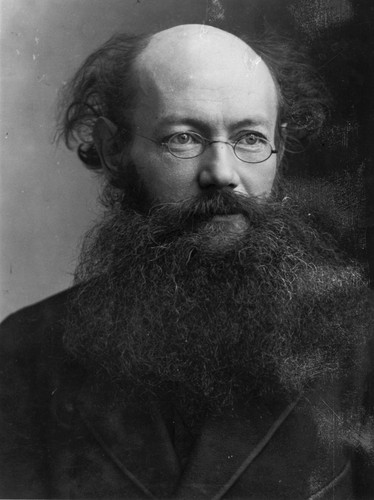
Peter Kropotkin
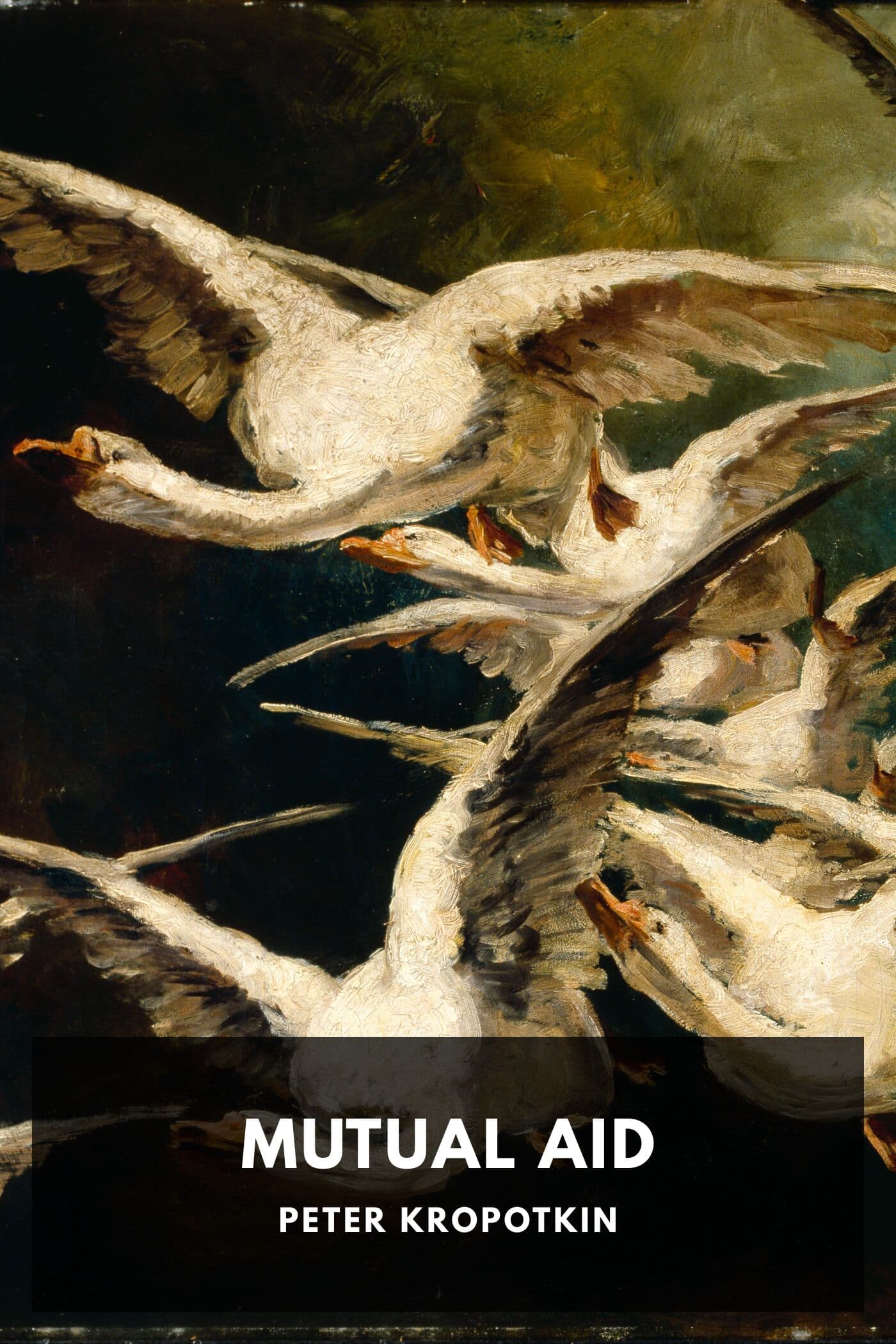
Peter Kropotkin was a Russian anarchist, geographer, and philosopher, renowned for his advocacy of anarcho-communism and his critiques of capitalism and state authority. Born into a noble family, Kropotkin's early life was marked by a strong interest in science and social justice, which led him to reject his aristocratic background in favor of revolutionary ideals. His experiences in Siberia and his observations of cooperative societies influenced his belief in mutual aid as a fundamental principle of human evolution, a theme he elaborated in his seminal work, 'Mutual Aid: A Factor of Evolution.' Kropotkin's literary contributions extended beyond theoretical works; his 'Conquest of Bread' outlined a vision for a society based on communal ownership and cooperation, while his 'Memoirs of a Revolutionist' provided a personal account of his life and the revolutionary movements of his time. In 'Fields, Factories and Workshops,' he argued for the integration of agriculture and industry, promoting a vision of a decentralized economy that empowered workers. Kropotkin's ideas significantly influenced anarchist thought and social movements, advocating for a society that prioritizes human needs over profit. His legacy endures in contemporary discussions of anarchism and social organization, marking him as a pivotal figure in the history of political philosophy.
Books from the author





Link to this page
Add a free, dofollow link to Lex on your blog, forum, syllabus, or reading list.

<a href="https://lex-books.com/author/peter-kropotkin"><img src="https://lex-books.com/badges/read-on-lex.svg" alt="Peter Kropotkin on Lex" width="160" height="40"></a>[](https://lex-books.com/author/peter-kropotkin)[url=https://lex-books.com/author/peter-kropotkin][img]https://lex-books.com/badges/read-on-lex.svg[/img][/url]Peter Kropotkin on Lex: https://lex-books.com/author/peter-kropotkin