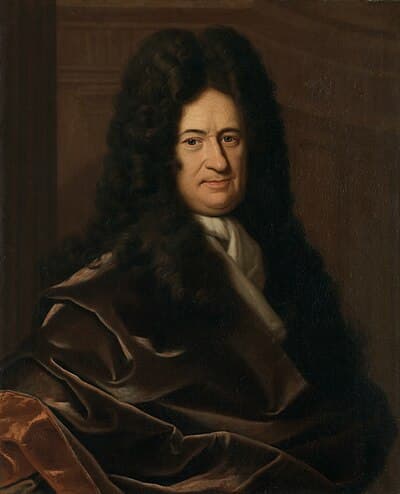
Gottfried Wilhelm, Freiherr von Leibniz
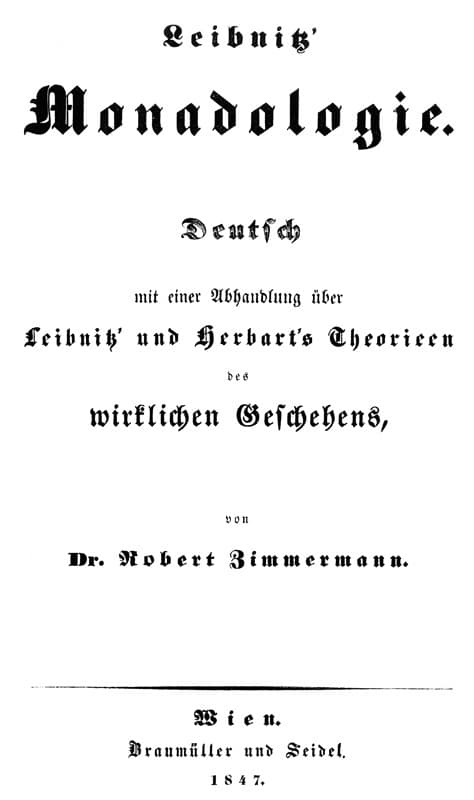
Gottfried Wilhelm, Freiherr von Leibniz, was a prominent German philosopher, mathematician, and polymath whose work laid the groundwork for modern philosophy and mathematics. Born in Leipzig, Leibniz was a child prodigy, excelling in various fields from an early age. He is best known for his contributions to calculus, independently developing the fundamental principles alongside Isaac Newton. However, his philosophical inquiries, particularly in the realm of metaphysics, have had a lasting impact on the field. Leibniz's most notable philosophical work, 'Theodicy,' addresses the problem of evil and attempts to reconcile the existence of a benevolent God with the presence of suffering in the world. This work reflects his belief in the rationality of the universe and the idea that we live in the best of all possible worlds. In addition to 'Theodicy,' Leibniz's 'Monadology' presents a unique metaphysical system that posits the existence of simple substances, or 'monads,' as the fundamental building blocks of reality. His ideas on monads and pre-established harmony significantly influenced later philosophers, including Immanuel Kant and the German idealists. Leibniz's legacy extends beyond philosophy; he made significant contributions to logic, linguistics, and the development of the binary number system, which is foundational to computer science today. His interdisciplinary approach and innovative thinking have cemented his status as one of the key figures of the Enlightenment, whose ideas continue to resonate in contemporary discussions of philosophy and science.
Books from the author










Link to this page
Add a free, dofollow link to Lex on your blog, forum, syllabus, or reading list.

<a href="https://lex-books.com/author/gottfried-wilhelm-freiherr-von-leibniz"><img src="https://lex-books.com/badges/read-on-lex.svg" alt="Gottfried Wilhelm, Freiherr von Leibniz on Lex" width="160" height="40"></a>[](https://lex-books.com/author/gottfried-wilhelm-freiherr-von-leibniz)[url=https://lex-books.com/author/gottfried-wilhelm-freiherr-von-leibniz][img]https://lex-books.com/badges/read-on-lex.svg[/img][/url]Gottfried Wilhelm, Freiherr von Leibniz on Lex: https://lex-books.com/author/gottfried-wilhelm-freiherr-von-leibniz