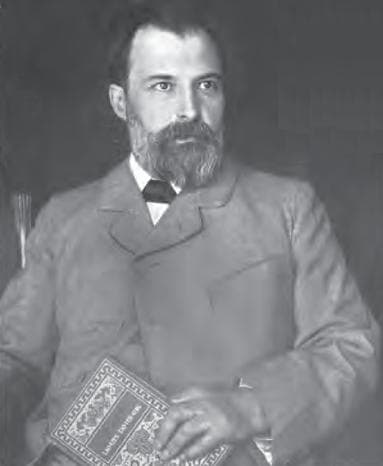
Paul Carus
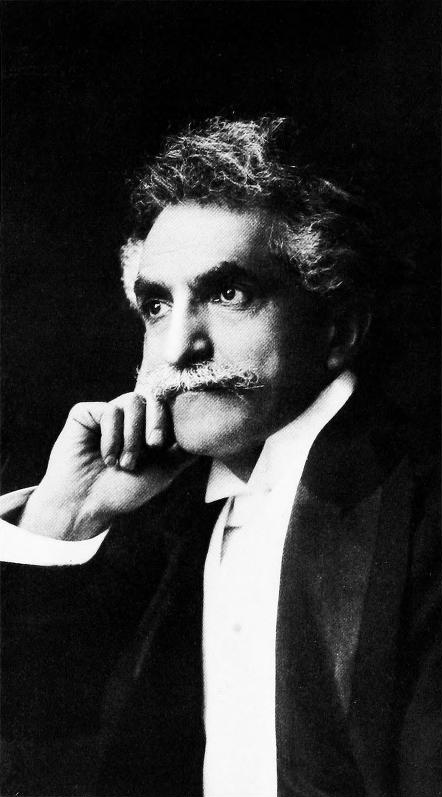
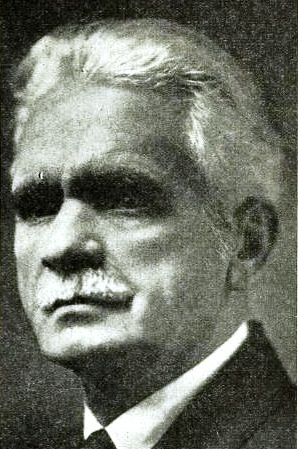
Paul Carus was a German-American author, editor, and philosopher known for his extensive work in comparative religion. Born in Germany, he later emigrated to the United States, where he became a prominent figure in the early 20th-century intellectual landscape. Carus was deeply influenced by Eastern philosophies, particularly Buddhism, which he sought to integrate with Western thought. His notable works include 'The Gospel of Buddha,' which presented Buddhist teachings in a format accessible to Western audiences, and 'The Religion of Science,' where he explored the intersection of science and spirituality. Carus's contributions to philosophy and religion were significant in promoting a dialogue between Eastern and Western traditions. He founded the Open Court Publishing Company, which published numerous works on philosophy, science, and religion, making complex ideas more accessible to the public. His efforts in comparative religion helped to foster a greater understanding of different belief systems, and he played a crucial role in introducing Buddhist concepts to a Western audience. Carus's legacy endures through his writings and his influence on the study of comparative religion, as he paved the way for future scholars and thinkers in the field.
Famous Quotes
View all 3 quotes“When a tree is burning with fierce flames, how can the birds congregate therein? Truth cannot dwell where passion lives. He who does not know this, though he be a learned man and be praised by others as a sage, is beclouded with ignorance.”
“If a traveller does not meet with one who is his better, or his equal, let him firmly keep to his solitary journey; there is no companionship with fools. 43”
“Blessed is he who has found enlightenment. He conquers, although he may be wounded; he is glorious and happy, although he may suffer; he is strong, although he may break down under the burden of his work; he is immortal, although he may die. The essence of his being is purity and goodness.”
Books from the author






Link to this page
Add a free, dofollow link to Lex on your blog, forum, syllabus, or reading list.

<a href="https://lex-books.com/author/paul-carus"><img src="https://lex-books.com/badges/read-on-lex.svg" alt="Paul Carus on Lex" width="160" height="40"></a>[](https://lex-books.com/author/paul-carus)[url=https://lex-books.com/author/paul-carus][img]https://lex-books.com/badges/read-on-lex.svg[/img][/url]Paul Carus on Lex: https://lex-books.com/author/paul-carus