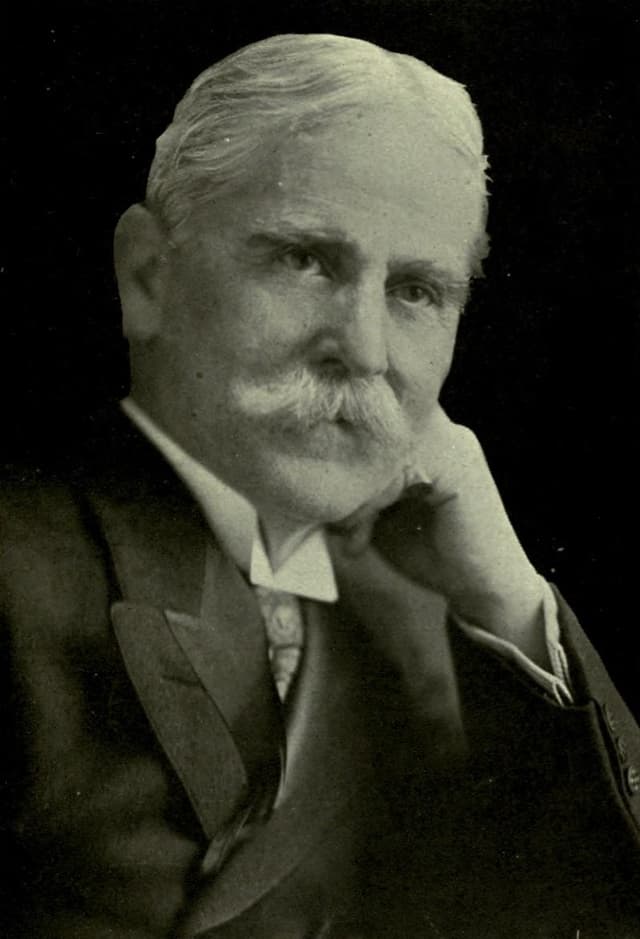
Henry Van Dyke
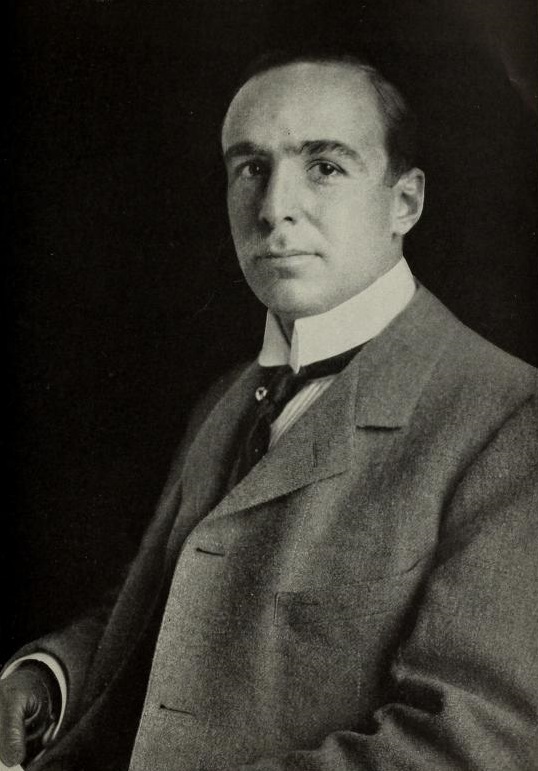
Henry Van Dyke was an influential American author, educator, and Presbyterian clergyman, known for his diverse contributions to literature and public life. He was born in Pennsylvania and educated at Princeton University, where he later became a professor of English literature. Van Dyke's literary career spanned poetry, essays, and novels, with notable works including 'The Story of the Other Wise Man,' a poignant Christmas tale, and 'The Blue Flower,' which reflects his deep appreciation for nature and spirituality. His writing often explored themes of faith, morality, and the human experience, resonating with readers across generations. In addition to his literary achievements, Van Dyke served as a diplomat, notably as the U.S. Minister to the Netherlands and Luxembourg during World War I. His commitment to education and public service further solidified his legacy as a multifaceted figure in American culture. Van Dyke's works have been celebrated for their lyrical quality and philosophical depth, making him a significant voice in early 20th-century literature. His ability to blend literary artistry with moral reflection has left a lasting impact on American letters, inspiring countless readers and writers alike.
Famous Quotes
View all 3 quotes“Time is Too Slow for those who Wait, Too Swift for those who Fear, Too Long for those who Grieve, Too Short for those who Rejoice; But for those who Love, Time is not.”
“Time is too slow for those who wait, too swift for those who fear, too long for those who grieve, too short for those who rejoice, but for those who love, time is eternity.”
“Are you willing to stoop down and consider the needs and desires of little children; to remember the weaknesses and lonliness of people who are growing old; to stop asking how much your friends love you, and to ask yourself if you love them enough; to bear in mind the things that other people have to bear on their hearts; to trim your lamp so that it will give more light and less smoke, and to carry it in front so that your shadow will fall behind you; to make a grave for your ugly thougts and a garden for your kindly feelings, with the gate open? Are you willing to do these things for a day? Then you are ready to keep Christmas!”
Books from the author

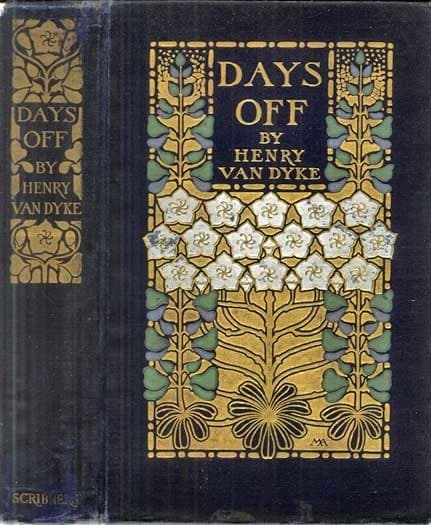
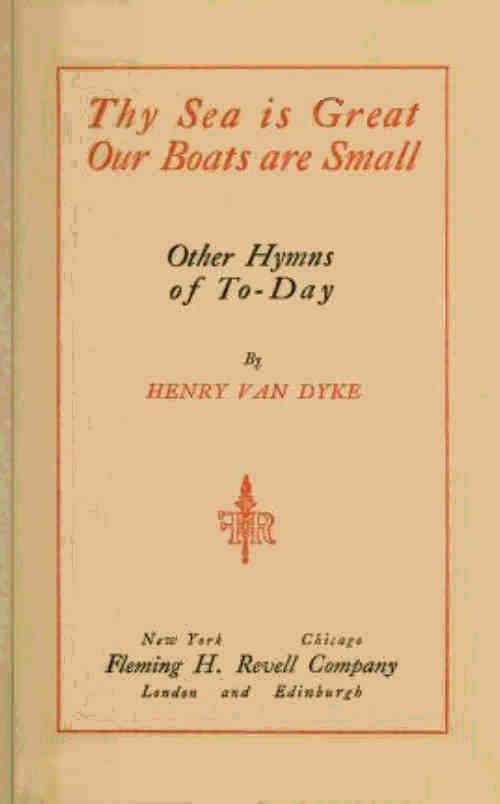




Link to this page
Add a free, dofollow link to Lex on your blog, forum, syllabus, or reading list.

<a href="https://lex-books.com/author/henry-van-dyke"><img src="https://lex-books.com/badges/read-on-lex.svg" alt="Henry Van Dyke on Lex" width="160" height="40"></a>[](https://lex-books.com/author/henry-van-dyke)[url=https://lex-books.com/author/henry-van-dyke][img]https://lex-books.com/badges/read-on-lex.svg[/img][/url]Henry Van Dyke on Lex: https://lex-books.com/author/henry-van-dyke