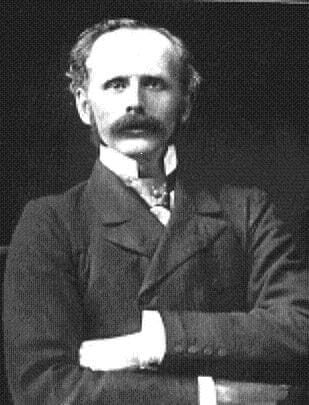
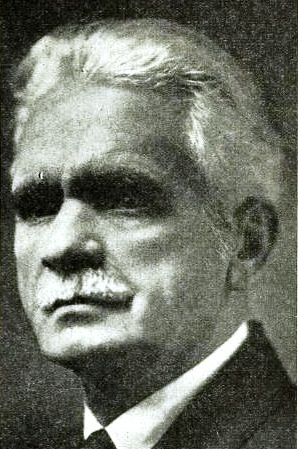
Henry Drummond
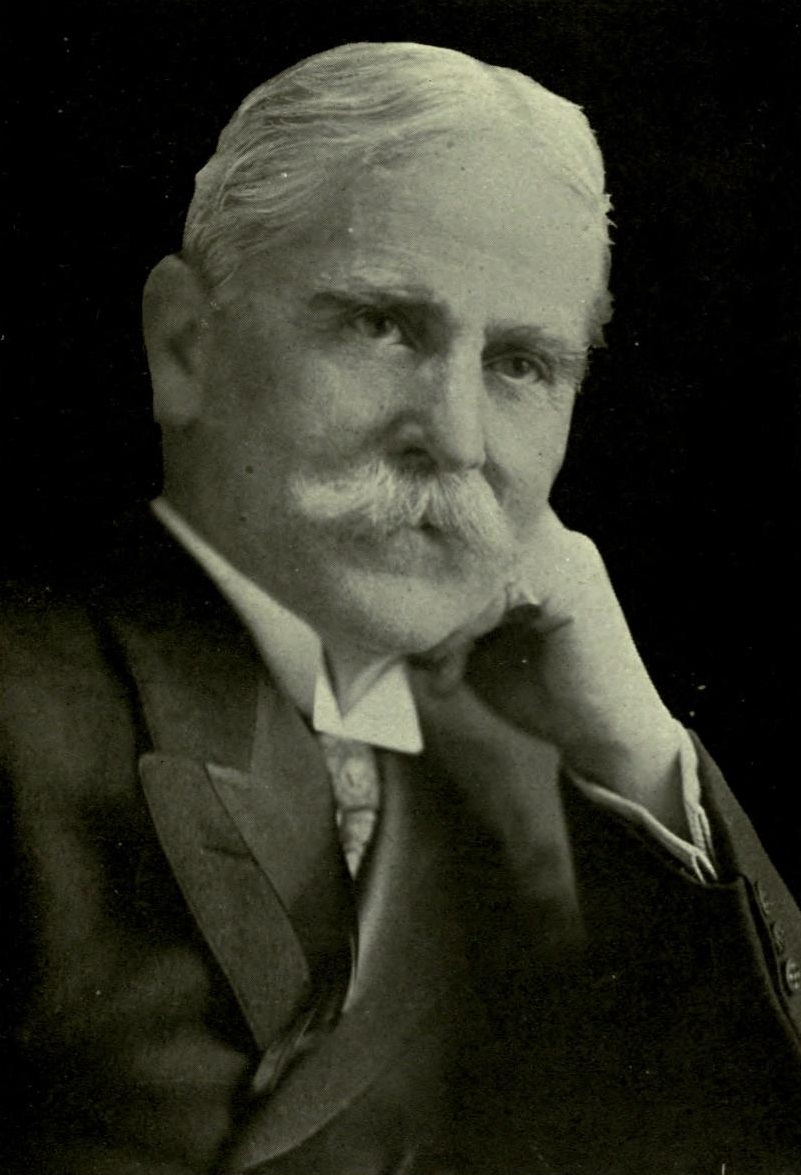
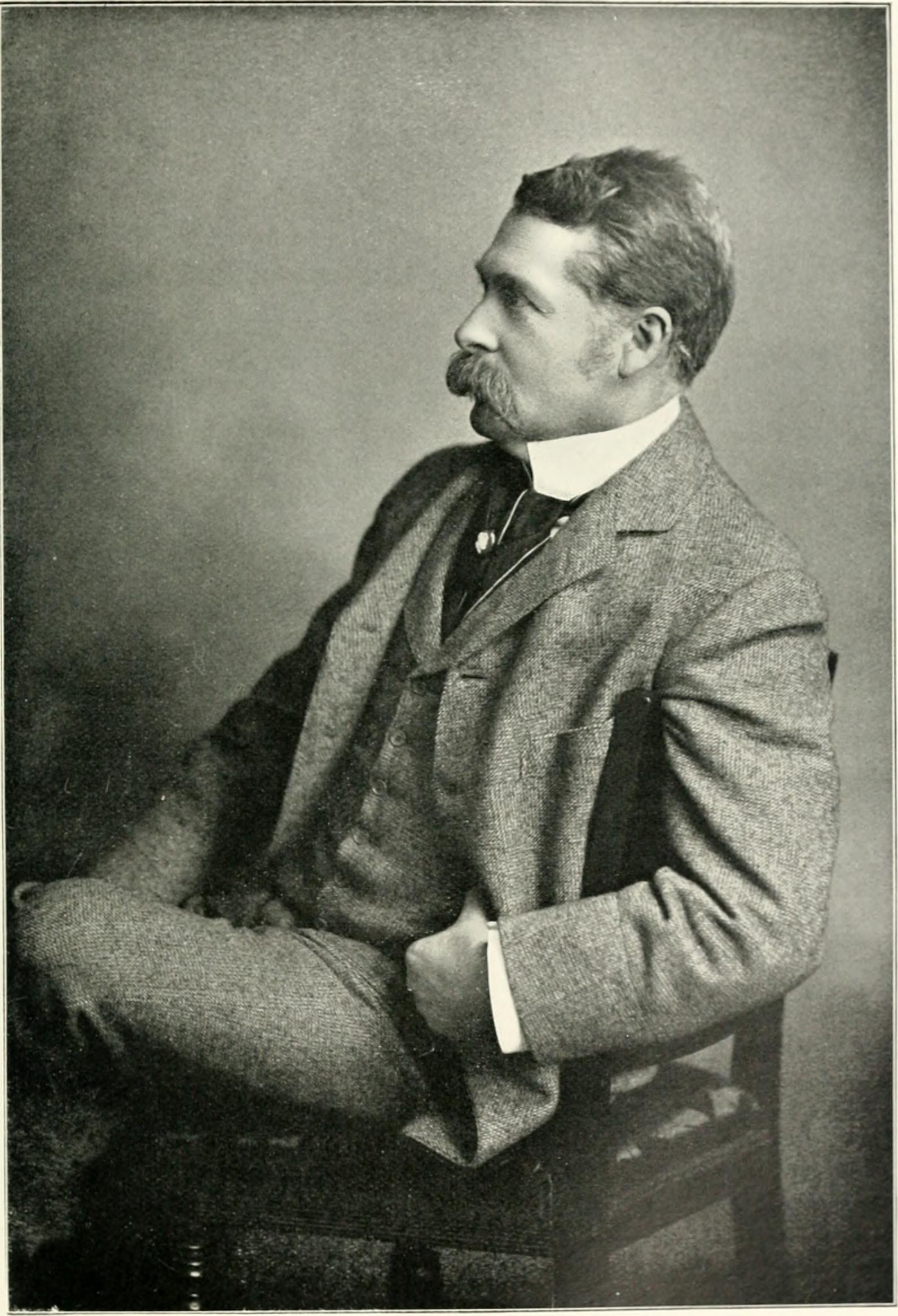
Henry Drummond was a Scottish preacher, biologist, and writer known for his influential works that bridged the gap between science and religion. He gained prominence in the late 19th century as a member of the Free Church of Scotland and was an advocate for the compatibility of faith and scientific inquiry. Drummond's most notable work, 'The Natural Law in the Spiritual World,' published in 1883, argued that the laws governing the natural world also apply to spiritual matters, presenting a compelling case for the integration of scientific understanding with Christian faith. His eloquent prose and innovative ideas resonated with both religious and secular audiences, making him a significant figure in the discussions surrounding science and spirituality during his time. In addition to his theological writings, Drummond was a passionate advocate for social reform and humanitarian causes. He was involved in various charitable efforts and was known for his commitment to improving the lives of the underprivileged. His legacy continues to influence contemporary discussions on the relationship between science and religion, as well as the importance of compassion and social responsibility in the practice of faith. Drummond's ability to articulate complex ideas in an accessible manner has left a lasting impact on both religious thought and the broader intellectual landscape of the late 19th century.
Famous Quotes
View all 3 quotes“You will find as you look back upon your life that the moments when you have truly lived are the moments when you have done things in the spirit of love.”
“To love abundantly is to live abundantly, and to love forever is to live forever.”
“You will find, as you look back upon your life, that the moments when you really lived are the moments when you have done things in the spirit of love.”
Books from the author






Link to this page
Add a free, dofollow link to Lex on your blog, forum, syllabus, or reading list.

<a href="https://lex-books.com/author/henry-drummond"><img src="https://lex-books.com/badges/read-on-lex.svg" alt="Henry Drummond on Lex" width="160" height="40"></a>[](https://lex-books.com/author/henry-drummond)[url=https://lex-books.com/author/henry-drummond][img]https://lex-books.com/badges/read-on-lex.svg[/img][/url]Henry Drummond on Lex: https://lex-books.com/author/henry-drummond