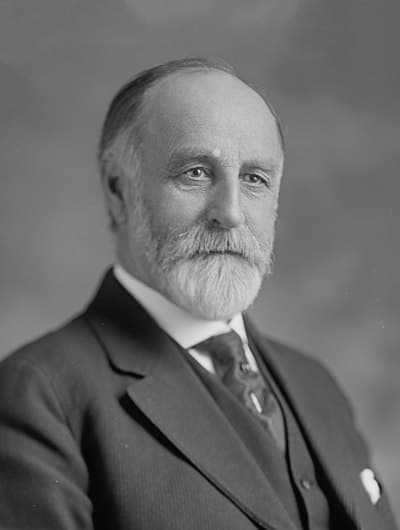
Jesse Walter Fewkes
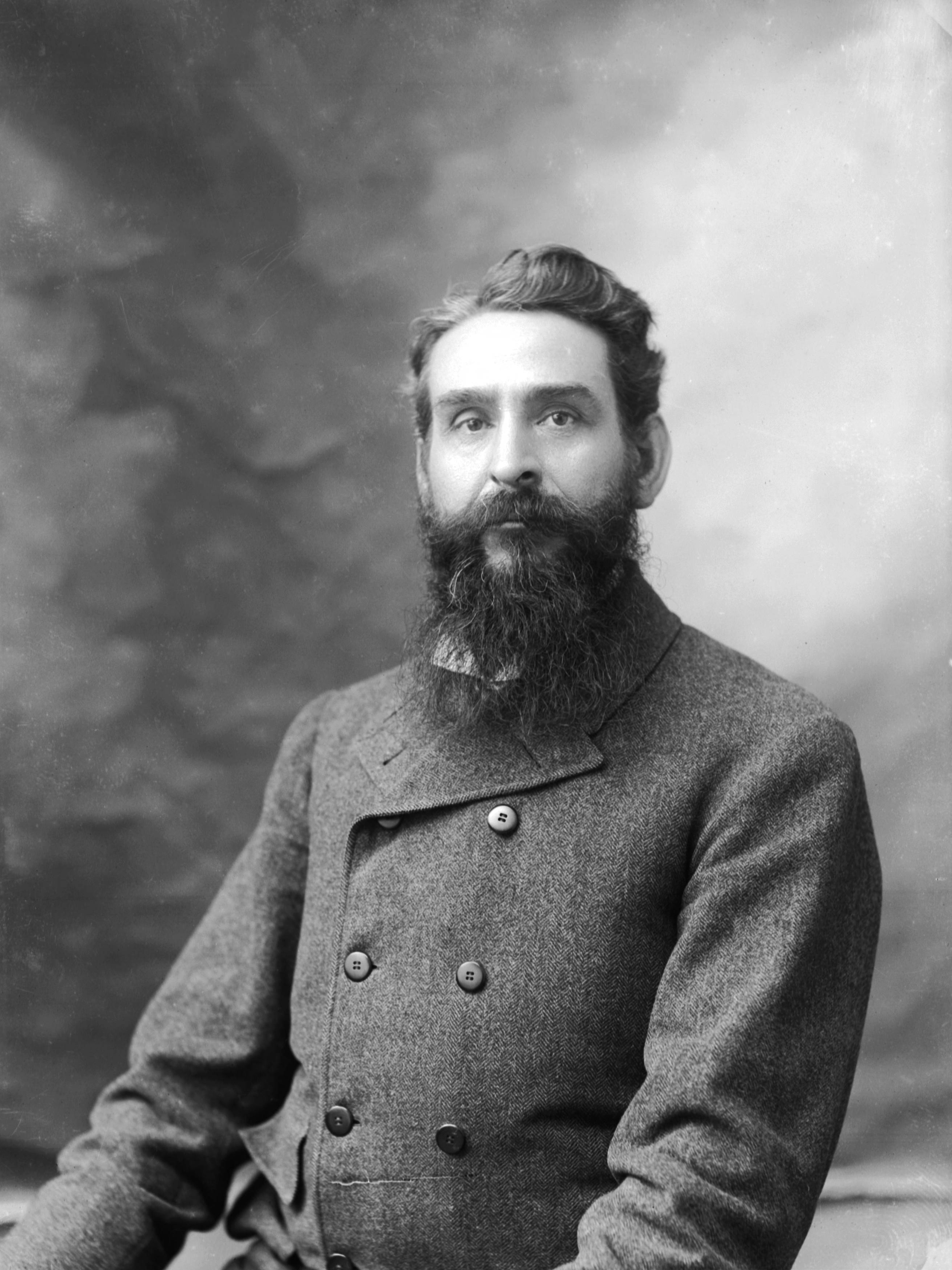
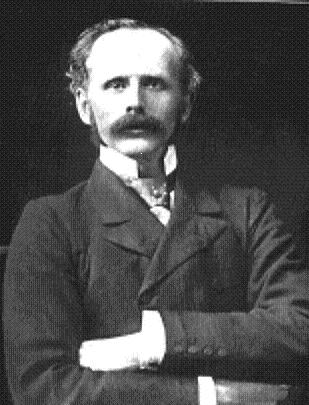
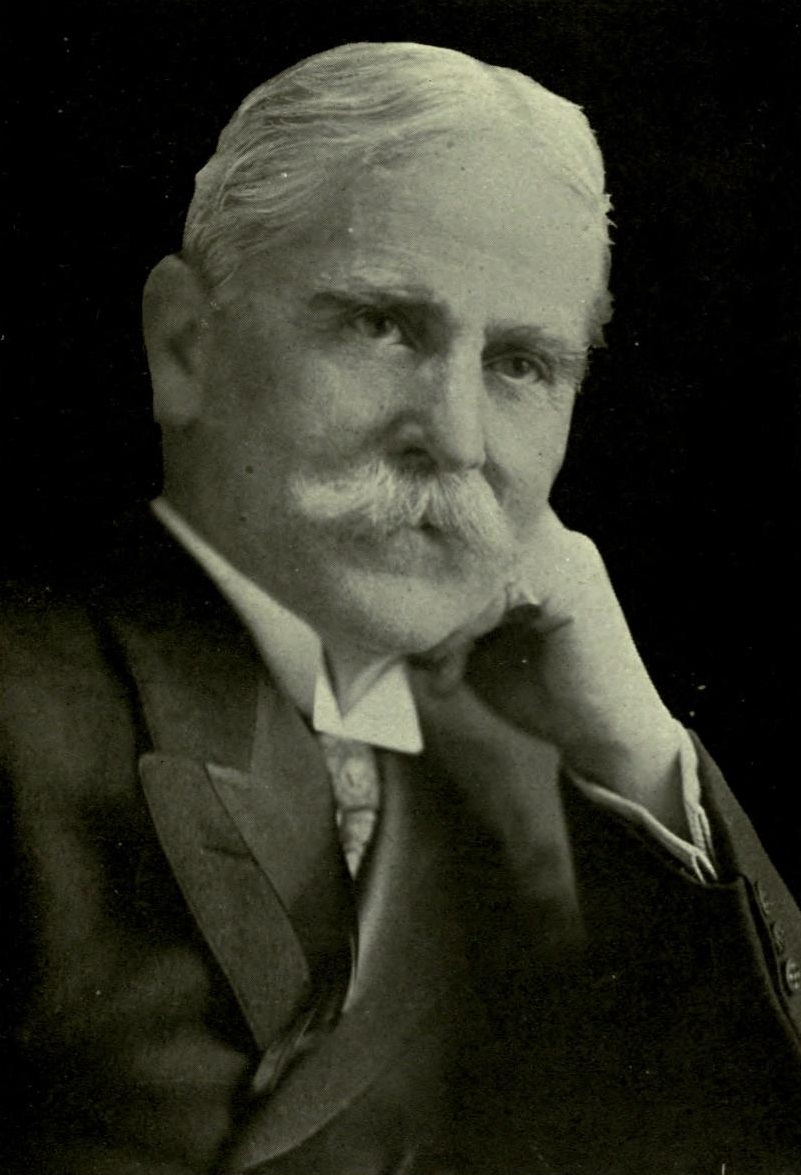
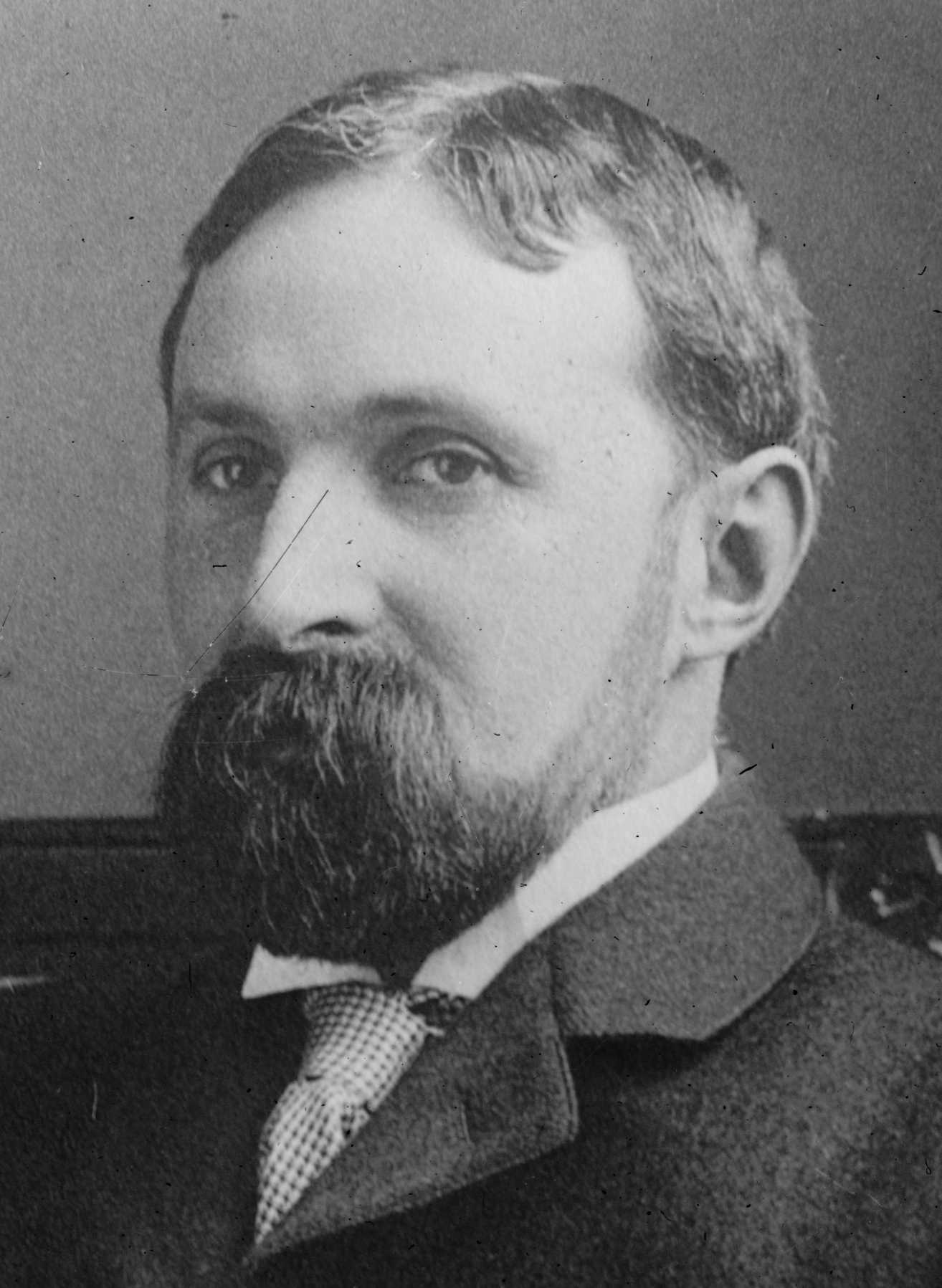
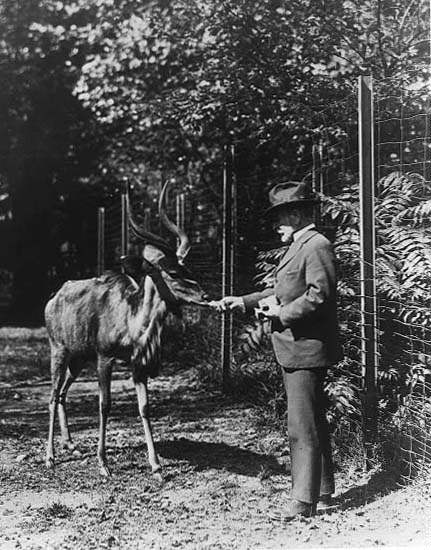
Jesse Walter Fewkes was an influential American anthropologist, archaeologist, writer, and naturalist, recognized for his pioneering contributions to the study of Native American cultures and archaeology. Born in 1850, Fewkes dedicated much of his career to the exploration and documentation of indigenous peoples, particularly the Pueblo and Zuni tribes of the American Southwest. His work often combined rigorous scientific methodology with a deep appreciation for the cultural significance of the communities he studied. Fewkes was notably involved in the excavation of archaeological sites, including the famous cliff dwellings at Mesa Verde, which he helped to preserve and promote as a national park. Fewkes authored several significant works, including "The American Indian" and "The Zuni Indians," which provided valuable insights into the social structures, rituals, and languages of Native American tribes. His writings not only contributed to the academic field of anthropology but also raised public awareness about the importance of preserving indigenous cultures in the face of modernization. Fewkes's legacy endures through his extensive fieldwork and his role in establishing anthropology as a respected discipline in the United States, influencing future generations of researchers and advocates for indigenous rights.
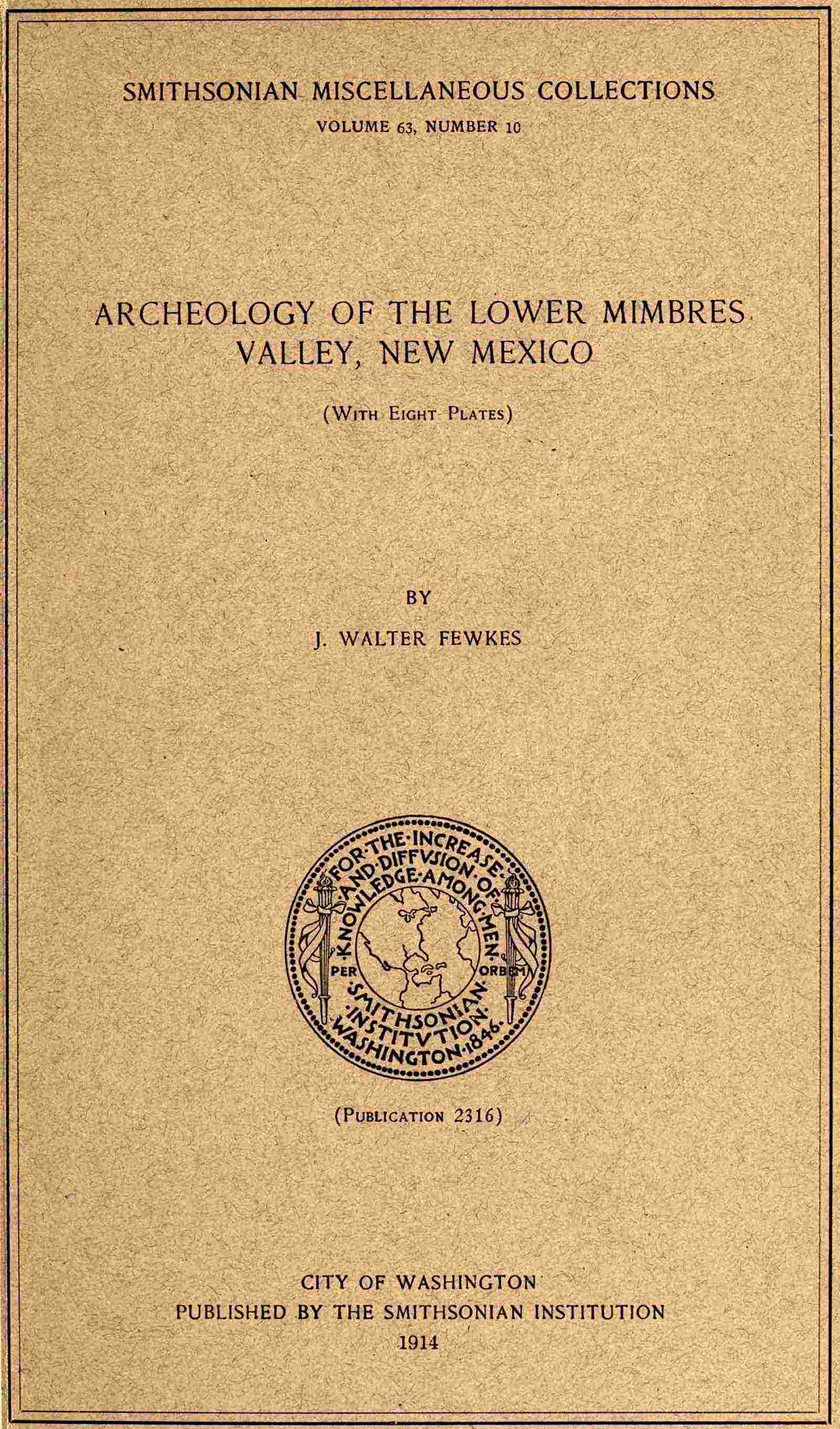
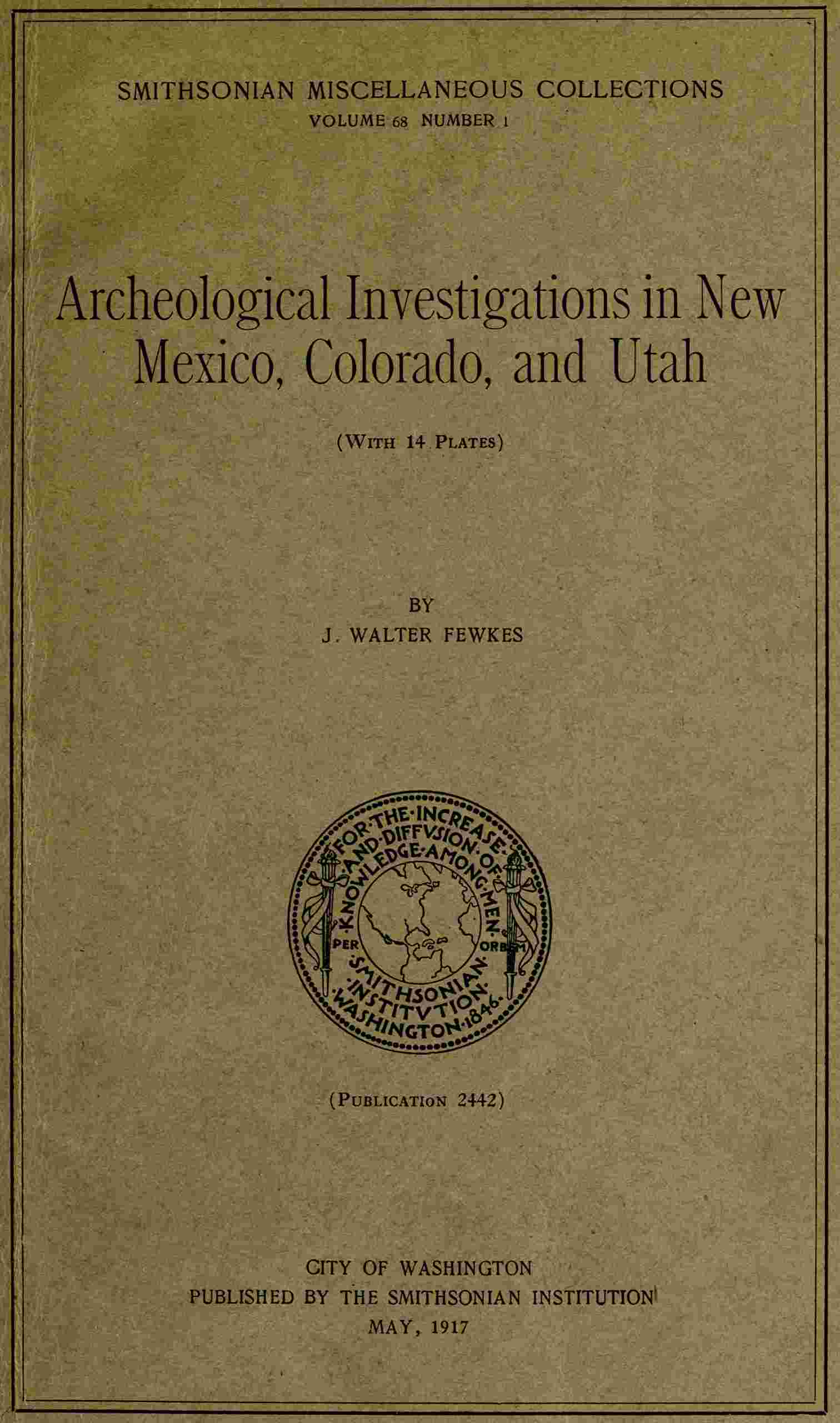
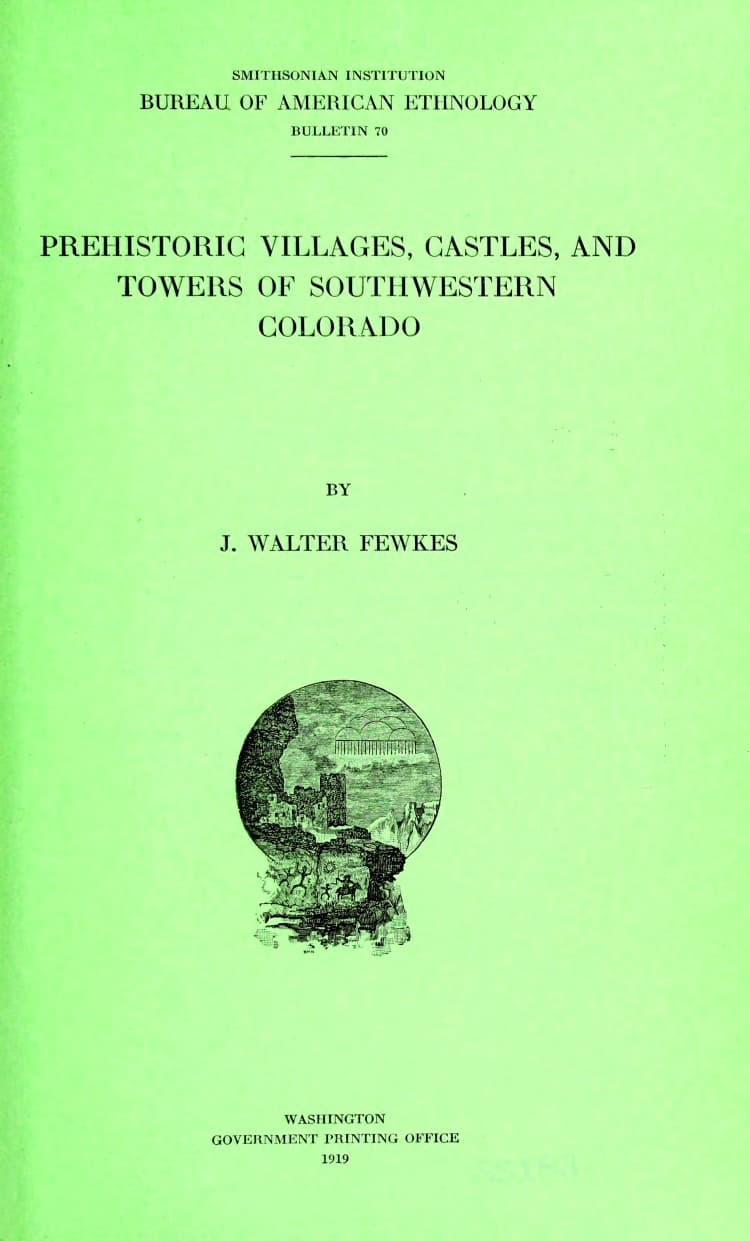
Books from the author


Link to this page
Add a free, dofollow link to Lex on your blog, forum, syllabus, or reading list.

<a href="https://lex-books.com/author/jesse-walter-fewkes"><img src="https://lex-books.com/badges/read-on-lex.svg" alt="Jesse Walter Fewkes on Lex" width="160" height="40"></a>[](https://lex-books.com/author/jesse-walter-fewkes)[url=https://lex-books.com/author/jesse-walter-fewkes][img]https://lex-books.com/badges/read-on-lex.svg[/img][/url]Jesse Walter Fewkes on Lex: https://lex-books.com/author/jesse-walter-fewkes