The Gospel of Buddha, Compiled from Ancient Records
1894
The Gospel of Buddha, Compiled from Ancient Records
1894
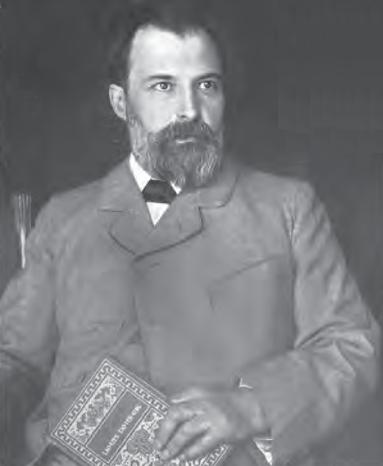
Before mindfulness apps and Western dharma centers, Paul Carus undertook an ambitious 19th-century project: distilling the entire Buddhist canon into a single, luminous narrative. The Gospel of Buddha is neither dry scripture nor sectarian tract, but something closer to spiritual literature as scripture. Carus weaves the life of Siddhartha Gautama into a sweeping biography that moves from princely palace to forest asceticism, from the temptation under the bodhi tree to the Buddha's final NIRVĀṆA. Yet the book offers more than biography - it presents the Dharma itself: the Four Noble Truths, the Eightfold Path, the law of karma, the nature of suffering and liberation, rendered in language that feels immediate and eternal. Carus draws from Pali, Sanskrit, and Tibetan sources, stripping away sectarian divisions to reveal Buddhism's universal core. The prose carries a quiet power - measured, clear, almost biblical in its cadences. Ancient wisdom refracted through a Victorian rationalist's commitment to clarity. For anyone seeking an accessible entry point to Buddhist thought, or readers drawn to spiritual literature that feels both ancient and startlingly fresh, this remains a quiet masterpiece that shaped how the West encountered the East.
Editions
X-Ray
“When a tree is burning with fierce flames, how can the birds congregate therein? Truth cannot dwell where passion lives. He who does not know this, though he be a learned man and be praised by others as a sage, is beclouded with ignorance.””
— Paul Carus
“If a traveller does not meet with one who is his better, or his equal, let him firmly keep to his solitary journey; there is no companionship with fools. 43””
— Paul Carus
“Blessed is he who has found enlightenment. He conquers, although he may be wounded; he is glorious and happy, although he may suffer; he is strong, although he may break down under the burden of his work; he is immortal, although he may die. The essence of his being is purity and goodness.””
— Paul Carus
“There are ways from light into darkness and from darkness into light. There are ways, also, from the gloom into deeper darkness, and from the dawn into brighter light. The wise man will use the light he has to receive more fight. He will constantly advance in the knowledge of truth.32””
— Paul Carus
“Look about and contemplate life! 1 Everything is transient and nothing endures. There is birth and death, growth and decay; there is combination and separation. 2 The glory of the world is like a flower: it stands in full bloom in the morning and fades in the heat of the day. 3 Wherever you look, there is a rushing and a struggling, and an eager pursuit of pleasure. There is a panic flight from pain and death, and hot are the flames of burning desires. The world is vanity fair, full of changes and transformations.””
— Paul Carus
“Surrender the grasping disposition of selfishness, and you will attain to that calm state of mind which conveys perfect peace, goodness, and wisdom.””
— Paul Carus
“Some say that the self endures after death, some say it perishes. Both are wrong and their error is most grievous.””
— Paul Carus
“The cause of all sorrow lies at the very beginning; it is hidden in the ignorance from which life grows. Remove ignorance and you will destroy the wrong appetences that rise from ignorance; destroy these appetences and you will wipe out the wrong perception that rises from them. Destroy wrong perception and there is an end of errors in individualized beings. Destroy the errors in individualized beings and the illusions of the six fields will disappear. Destroy illusions and the contact with things will cease to beget misconception. Destroy misconception and you do away with thirst. Destroy thirst and you will be free of ail morbid cleaving. Remove the cleaving and you destroy the selfishness of selfhood. If the selfishness of selfhood is destroyed you will be above birth, old age, disease, and death, and you will escape all suffering. 9””
— Paul Carus
“When the fire of lust is gone out, then Nirvāna is gained; when the fires of hatred and delusion are gone out, then Nirvāna is gained; when the troubles of mind, arising from blind credulity, and all other evils have ceased, then Nirvāna is gained!””
— Paul Carus
Link to this book
Add a free, dofollow link to Lex on your blog, forum, syllabus, or reading list.

<a href="https://lex-books.com/book/the-gospel-of-buddha-compiled-from-ancient-records-8b3dfc36-bcbd-4ea3-9fe7-f99539e25f97"><img src="https://lex-books.com/badges/read-on-lex.svg" alt="Read The Gospel of Buddha, Compiled from Ancient Records by Paul Carus free on Lex" width="160" height="40"></a>[](https://lex-books.com/book/the-gospel-of-buddha-compiled-from-ancient-records-8b3dfc36-bcbd-4ea3-9fe7-f99539e25f97)[url=https://lex-books.com/book/the-gospel-of-buddha-compiled-from-ancient-records-8b3dfc36-bcbd-4ea3-9fe7-f99539e25f97][img]https://lex-books.com/badges/read-on-lex.svg[/img][/url]Read The Gospel of Buddha, Compiled from Ancient Records by Paul Carus free on Lex: https://lex-books.com/book/the-gospel-of-buddha-compiled-from-ancient-records-8b3dfc36-bcbd-4ea3-9fe7-f99539e25f97Cite this book
Reading this edition for a paper or guide? Copy a citation.
Carus, Paul. The Gospel of Buddha, Compiled from Ancient Records. Lex, lex-books.com/book/the-gospel-of-buddha-compiled-from-ancient-records-8b3dfc36-bcbd-4ea3-9fe7-f99539e25f97.Carus, P. (1894). The Gospel of Buddha, Compiled from Ancient Records. Lex. https://lex-books.com/book/the-gospel-of-buddha-compiled-from-ancient-records-8b3dfc36-bcbd-4ea3-9fe7-f99539e25f97Carus, Paul. The Gospel of Buddha, Compiled from Ancient Records. Lex. https://lex-books.com/book/the-gospel-of-buddha-compiled-from-ancient-records-8b3dfc36-bcbd-4ea3-9fe7-f99539e25f97.