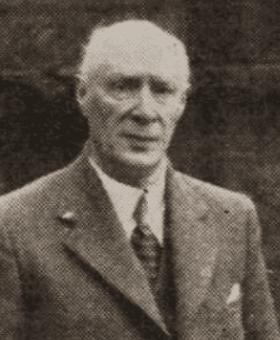
Lewis Spence
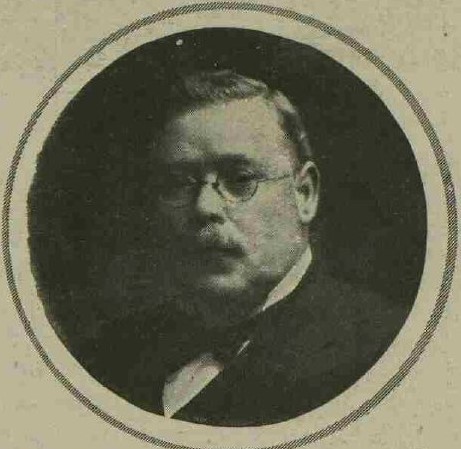
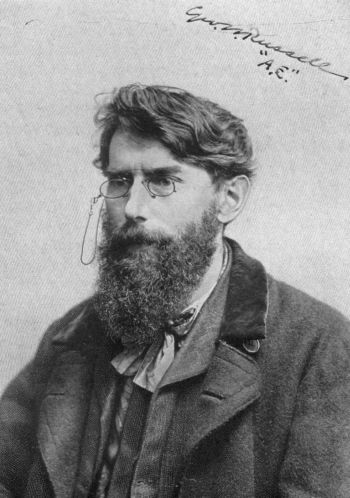
Lewis Spence was a prominent Scottish journalist, poet, and folklorist, whose diverse contributions to literature and anthropology left a lasting impact on the study of folklore and the occult. He was a key figure in the Scottish National Movement, advocating for Scottish identity and culture. Spence's scholarly pursuits led him to become a Fellow of the Royal Anthropological Institute of Great Britain and Ireland and vice-president of the Scottish Anthropological and Folklore Society, where he played a significant role in promoting the importance of folklore in understanding cultural heritage. Among his notable works, 'An Encyclopedia of Occultism' and 'The History and Origins of Druidism' stand out for their comprehensive exploration of mystical traditions and their historical contexts. Spence's writings often bridged the gap between academic scholarship and popular interest, making complex subjects accessible to a wider audience. His dedication to the preservation and study of folklore not only enriched Scottish cultural studies but also influenced subsequent generations of folklorists and anthropologists, solidifying his legacy as a pivotal figure in the field.
Famous Quotes
View all 3 quotes“I should add, however, that, particularly on the occasion of Samhain, bonfires were lit with the express intention of scaring away the demonic forces of winter, and we know that, at Bealltainn in Scotland, offerings of baked custard were made within the last hundred and seventy years to the eponymous spirits of wild animals which were particularly prone to prey upon the flocks - the eagle, the crow, and the fox, among others. Indeed, at these seasons all supernatural beings were held in peculiar dread. It seems by no means improbable that these circumstances reveal conditions arising out of a later solar pagan worship in respect of which the cult of fairy was relatively greatly more ancient, and perhaps held to be somewhat inimical.”
“At Bealltainn, or May Day, every effort was made to scare away the fairies, who were particularly dreaded at this season. In the West Highlands charms were used to avert their influence. In the Isle of Man the gorse was set alight to keep them at a distance. In some parts of Ireland the house was sprinkled with holy water to ward off fairy influence. These are only a mere handful out of the large number of references available, but they seem to me to reveal an effort to avoid the attentions of discredited deities on occasions of festival once sacred to them. The gods duly return at the appointed season, but instead of being received with adoration, they are rebuffed by the descendants of their former worshippers, who have embraced a faith which regards them as demons. In like manner the fairies in Ireland were chased away from the midsummer bonfires by casting fire at them. At the first approach of summer, the fairy folk of Scotland were wont to hold a "Rade," or ceremonial ride on horseback, when they were liable to tread down the growing grain.”
“Robert Kirk believed the fairies to be the doubles or, as he called them, the 'co-walkers' of men, which accompanied them through life, and thought that this co-walker returned to Faerie when the person died.”
Books from the author
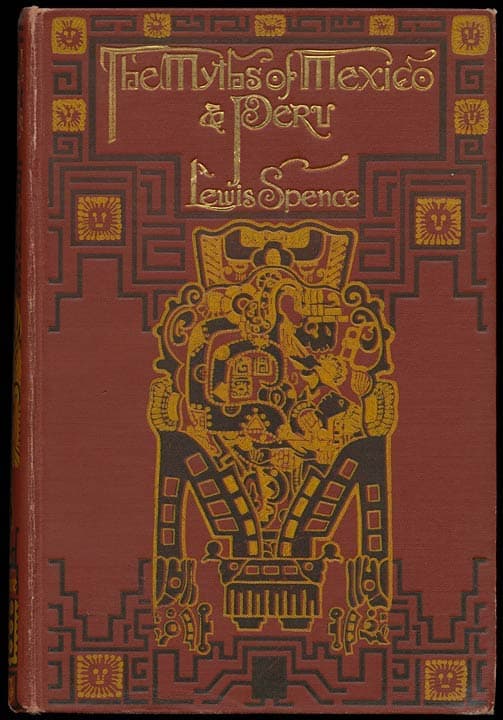
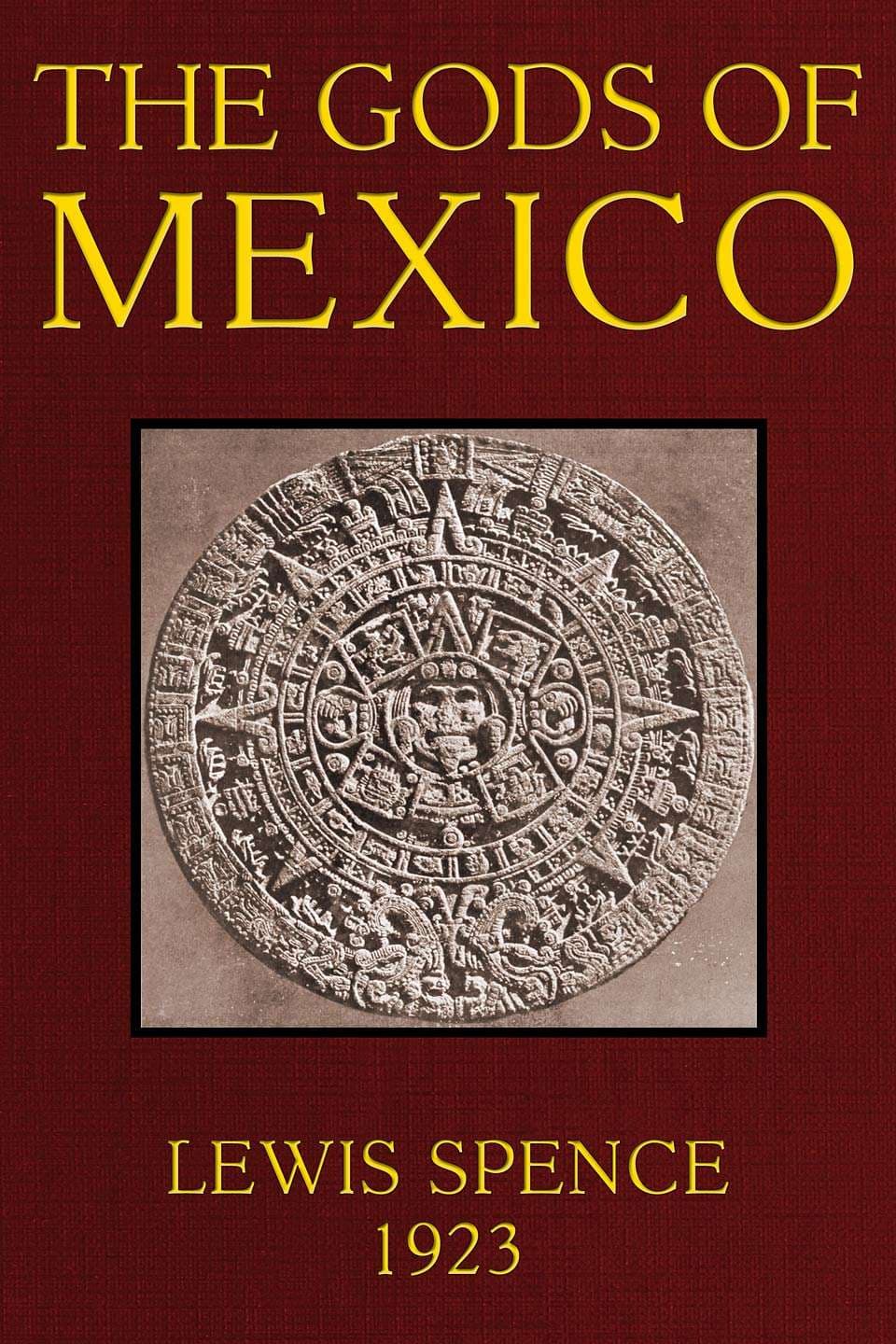
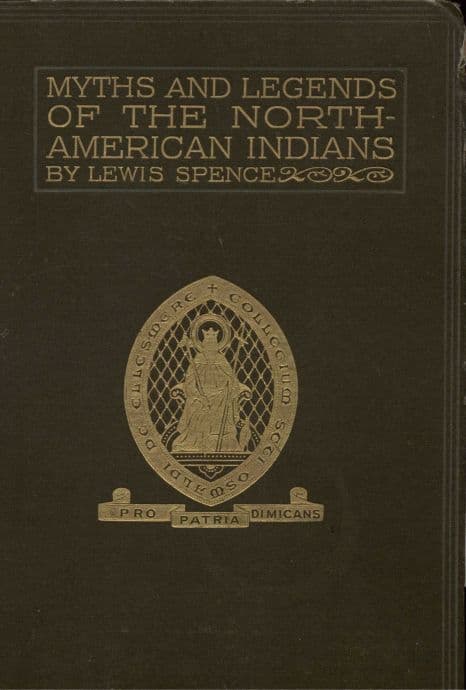


Link to this page
Add a free, dofollow link to Lex on your blog, forum, syllabus, or reading list.

<a href="https://lex-books.com/author/lewis-spence"><img src="https://lex-books.com/badges/read-on-lex.svg" alt="Lewis Spence on Lex" width="160" height="40"></a>[](https://lex-books.com/author/lewis-spence)[url=https://lex-books.com/author/lewis-spence][img]https://lex-books.com/badges/read-on-lex.svg[/img][/url]Lewis Spence on Lex: https://lex-books.com/author/lewis-spence