Nietzsche and Other Exponents of Individualism
1914

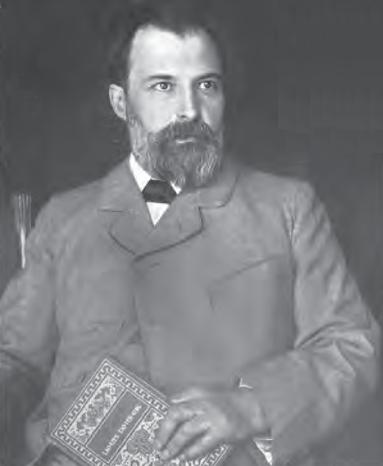
In 1914, American philosopher Paul Carus mounted a rigorous critique of Friedrich Nietzsche and the individualist philosophy that would come to define modern existentialism. Carus, a proponent of scientific objectivity and ethical monism, found in Nietzsche's celebration of the "overman" and rejection of moral norms a dangerous subjectivity that threatened the foundations of rational thought and communal ethics. The book presents a stark dichotomy: philosophy as Carus conceives it, a system integrating knowledge, emotion, and ethics grounded in truthfulness, versus the subjective, nihilistic philosophy epitomized by Nietzsche. Carus situates Nietzsche among other individualist thinkers, subjecting each to careful critique while defending an alternative vision where truth remains objective and morality transcends personal preference. The work captures a pivotal moment in American intellectual history, when philosophers were grappling with European existentialism's implications. For readers interested in the origins of contemporary debates about relativism versus absolute truth, Carus's rigorous engagement remains essential.
Editions

Link to this book
Add a free, dofollow link to Lex on your blog, forum, syllabus, or reading list.

<a href="https://lex-books.com/book/nietzsche-and-other-exponents-of-individualism-5a71b1d2-e10f-492c-ad68-2400576c3cc8"><img src="https://lex-books.com/badges/read-on-lex.svg" alt="Read Nietzsche and Other Exponents of Individualism by Paul Carus free on Lex" width="160" height="40"></a>[](https://lex-books.com/book/nietzsche-and-other-exponents-of-individualism-5a71b1d2-e10f-492c-ad68-2400576c3cc8)[url=https://lex-books.com/book/nietzsche-and-other-exponents-of-individualism-5a71b1d2-e10f-492c-ad68-2400576c3cc8][img]https://lex-books.com/badges/read-on-lex.svg[/img][/url]Read Nietzsche and Other Exponents of Individualism by Paul Carus free on Lex: https://lex-books.com/book/nietzsche-and-other-exponents-of-individualism-5a71b1d2-e10f-492c-ad68-2400576c3cc8Cite this book
Reading this edition for a paper or guide? Copy a citation.
Carus, Paul. Nietzsche and Other Exponents of Individualism. Lex, lex-books.com/book/nietzsche-and-other-exponents-of-individualism-5a71b1d2-e10f-492c-ad68-2400576c3cc8.Carus, P. (1914). Nietzsche and Other Exponents of Individualism. Lex. https://lex-books.com/book/nietzsche-and-other-exponents-of-individualism-5a71b1d2-e10f-492c-ad68-2400576c3cc8Carus, Paul. Nietzsche and Other Exponents of Individualism. Lex. https://lex-books.com/book/nietzsche-and-other-exponents-of-individualism-5a71b1d2-e10f-492c-ad68-2400576c3cc8.