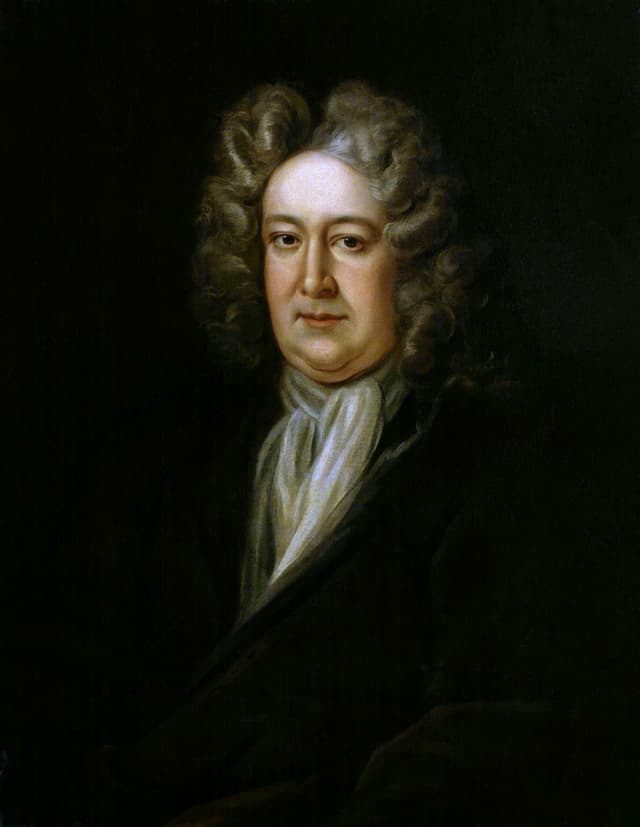
Nicholas Rowe
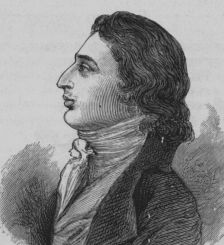
Nicholas Rowe was an influential English dramatist and poet, recognized for his contributions to the theatrical landscape of the early 18th century. Born in 1674, he gained prominence through his plays, which were characterized by their emotional depth and engaging narratives. Rowe's work often reflected the societal and moral concerns of his time, earning him a reputation as a significant literary figure. In 1715, he was appointed Poet Laureate, a testament to his impact on English literature and his standing among contemporaries. Among his notable works are the tragedies 'Tamerlane' and 'The Fair Penitent,' both of which showcased his talent for blending dramatic intensity with poetic language. Rowe's writing not only entertained but also influenced the development of English drama, paving the way for future playwrights. His legacy endures as a key figure in the transition from Restoration drama to the more sentimental and moralistic styles that followed, marking him as a pivotal contributor to the evolution of English literature.
Famous Quotes
View all 1 quotes“Guilt is the source of sorrows, the avenging fiend that follows us behind with whips and stings.”
Books from the author

Link to this page
Add a free, dofollow link to Lex on your blog, forum, syllabus, or reading list.

<a href="https://lex-books.com/author/nicholas-rowe"><img src="https://lex-books.com/badges/read-on-lex.svg" alt="Nicholas Rowe on Lex" width="160" height="40"></a>[](https://lex-books.com/author/nicholas-rowe)[url=https://lex-books.com/author/nicholas-rowe][img]https://lex-books.com/badges/read-on-lex.svg[/img][/url]Nicholas Rowe on Lex: https://lex-books.com/author/nicholas-rowe