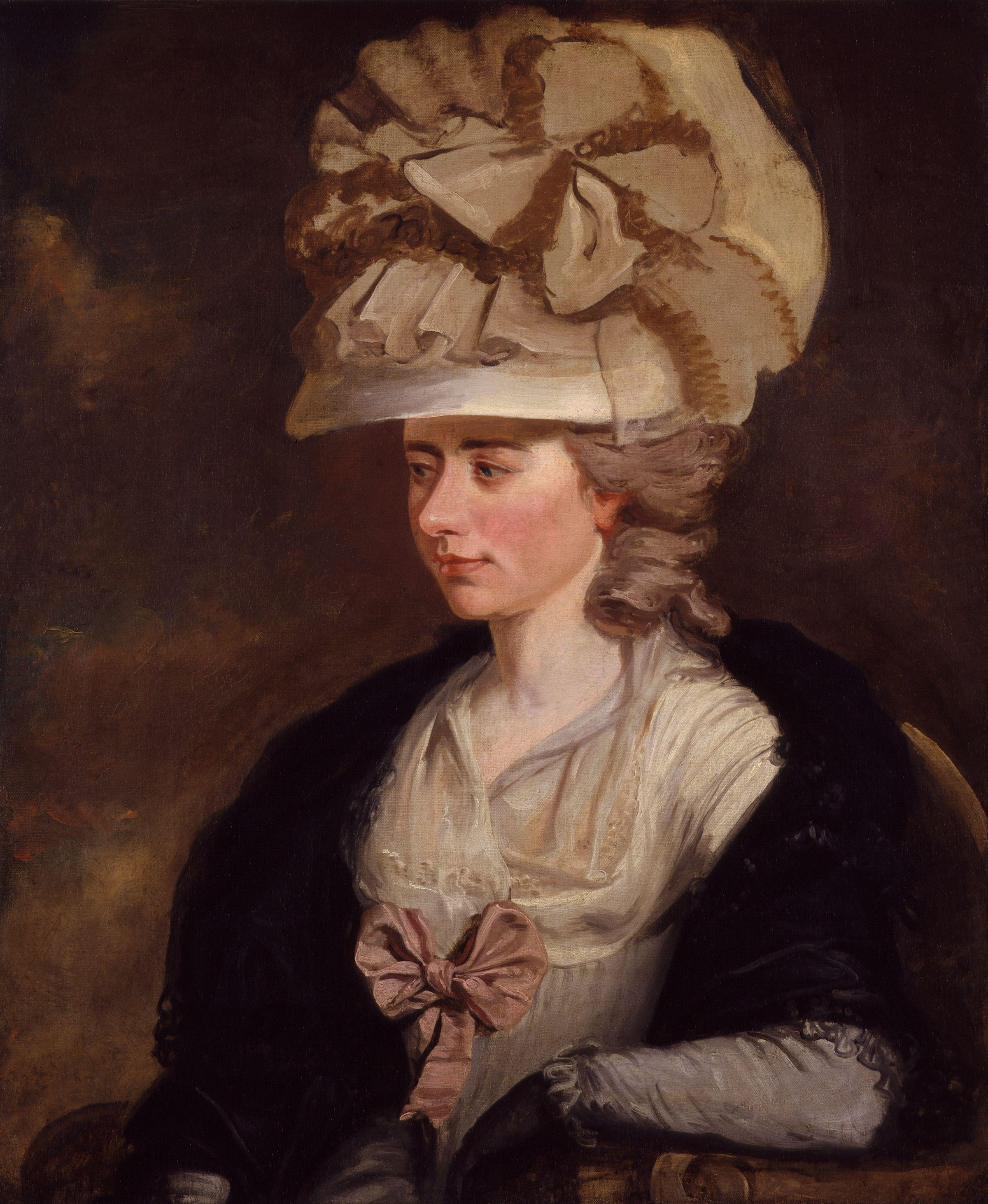
Mrs. Clive
Mrs. Clive, an influential figure in the 18th-century literary scene, was known for her contributions to the genre of drama and her involvement in the burgeoning world of theatrical performance. Her most notable work, 'The Case of Mrs. Clive,' reflects her experiences and challenges as a woman in a male-dominated industry, offering a unique perspective on the societal norms of her time. Through her writing, she engaged with themes of gender, power, and the complexities of personal agency, making her a significant voice in early feminist literature. Clive's career coincided with a period of transformation in English theater, where the roles of women were beginning to evolve. She not only penned plays but also performed on stage, which provided her with firsthand insight into the struggles and triumphs of female performers. Her work contributed to the dialogue surrounding women's rights and representation in the arts, paving the way for future generations of female playwrights and actresses. Although not as widely recognized today, Mrs. Clive's legacy endures as a testament to the resilience and creativity of women in the arts during the 18th century.
Famous Quotes
View all 2 quotes“When I first read The Rebel, this splendid line came leaping from the page like a dolphin from a wave. I memorized it instantly, and from then on Camus was my man. I wanted to write like that, in a prose that sang like poetry. I wanted to look like him. I wanted to wear a Bogart-style trench coat with the collar turned up, have an untipped Gauloise dangling from my lower lip, and die romantically in a car crash. At the time, the crash had only just happened. The wheels of the wrecked Facel Vega were practically still spinning, and at Sydney University I knew exiled French students, spiritually scarred by service in Indochina, who had met Camus in Paris: one of them claimed to have shared a girl with him. Later on, in London, I was able to arrange the trench coat and the Gauloise, although I decided to forgo the car crash until a more propitious moment. Much later, long after having realized that smoking French cigarettes was just an expensive way of inhaling nationalized industrial waste, I learned from Olivier Todd's excellent biography of Camus that the trench coat had been a gift from Arthur Koestler's wife and that the Bogart connection had been, as the academics say, no accident. Camus had wanted to look like Bogart, and Mrs. Koestler knew where to get the kit. Camus was a bit of an actor--he though, in fact, that he was a lot of an actor, although his histrionic talent was the weakest item of his theatrical equipment--and, being a bit of an actor, he was preoccupied by questions of authenticity, as truly authentic people seldom are. But under the posturing agonies about authenticity there was something better than authentic: there was something genuine. He was genuinely poetic. Being that, he could apply two tests simultaneously to his own language: the test of expressiveness, and the test of truth to life. To put it another way, he couldn't not apply them.””
“It seems apparent, Mrs. Seagram," Ashley said sweetly, "one of us will be searching for a new dress designer first thing in the morning.""Oh, I couldn't switch," Dana replied innocently. "I've been going to Jacques Pinneigh since I was a little girl."Ashley Fleming's penciled brows raised questioningly. "Jacques Pinneigh? I've never heard of him.""He's more widely known as JCPenney," Dana smiled sweetly. "His downtown store is having a clearance sale next month. Wouldn't it be fun if we shopped together? That way we wouldn't wind up as lookalikes.””
Books from the author



Link to this page
Add a free, dofollow link to Lex on your blog, forum, syllabus, or reading list.

<a href="https://lex-books.com/author/mrs-clive"><img src="https://lex-books.com/badges/read-on-lex.svg" alt="Mrs. Clive on Lex" width="160" height="40"></a>[](https://lex-books.com/author/mrs-clive)[url=https://lex-books.com/author/mrs-clive][img]https://lex-books.com/badges/read-on-lex.svg[/img][/url]Mrs. Clive on Lex: https://lex-books.com/author/mrs-clive