Marcus Porcius Cato
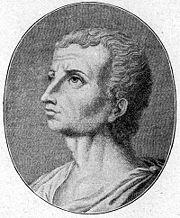
Marcus Porcius Cato, commonly known as Cato the Elder, was a prominent Roman statesman, soldier, and writer who played a significant role in the early Roman Republic. Born in Tusculum, he rose from humble beginnings to become a leading figure in Roman politics and culture. Cato was known for his staunch traditionalism and moral integrity, advocating for the values of the Roman Republic against the encroaching influences of Hellenistic culture. His political career included serving as a senator and as consul, where he was noted for his fierce opposition to the growing power of Carthage, famously concluding his speeches with the phrase 'Carthago delenda est' or 'Carthage must be destroyed.' Cato's literary contributions were equally influential, particularly his work 'De Agri Cultura,' which is considered one of the earliest surviving texts on agriculture. This practical manual not only provided insights into farming techniques but also reflected his views on the importance of rural life and self-sufficiency. Additionally, Cato's 'Origines' was a historical account of Roman history, although it has not survived in its entirety. His writings and speeches exemplified the values of the Roman Republic and laid the groundwork for future generations of Roman orators and historians. Cato's legacy endures as a symbol of Roman virtue and the complexities of governance, influencing both contemporary and later thinkers on issues of ethics and civic duty.
Famous Quotes
View all 6 quotes“Wise men profit more by fools than fools by wise men.””
“Aedificare diu cogitare oportet. Conserere cogitare non oportet, sed facere oportet. [Building requires long thought: planting requires not thought but action.]””
“Siquid desit in annum, uti paretur: quae supersint, ut veneant: quae opus sint locato, locentur: quae opera fieri velit et quae locari velit, uti imperet et ea scripta relinquat... Patrem familias vendacem, non emacem esse oportet.Give orders that whatever may be lacking for the current year be supplied; that what is superfluous be sold; that whatever work should be let out be let. Give directions as to what work you want done on the place, and what you want let out, and leave the directions in writing... The master should have the selling habit, not the buying habit.””
Books from the author




Link to this page
Add a free, dofollow link to Lex on your blog, forum, syllabus, or reading list.

<a href="https://lex-books.com/author/marcus-porcius-cato"><img src="https://lex-books.com/badges/read-on-lex.svg" alt="Marcus Porcius Cato on Lex" width="160" height="40"></a>[](https://lex-books.com/author/marcus-porcius-cato)[url=https://lex-books.com/author/marcus-porcius-cato][img]https://lex-books.com/badges/read-on-lex.svg[/img][/url]Marcus Porcius Cato on Lex: https://lex-books.com/author/marcus-porcius-cato