Lex

Browse

GenresShelvesPremiumBlog

Company

AboutJobsPartnersSell on LexAffiliates

Audio

Lex StudioVoicesFirst chapter freeAudiobook pricingAudiobook samplesAudiobook guidesAudio blog

Resources

DocsInvite FriendsFAQ

Legal

Terms of ServicePrivacy Policygeneral@lex-books.com+1 951-551-2243WhatsApp (international)

© 2026 LexBooks, Inc. All rights reserved.

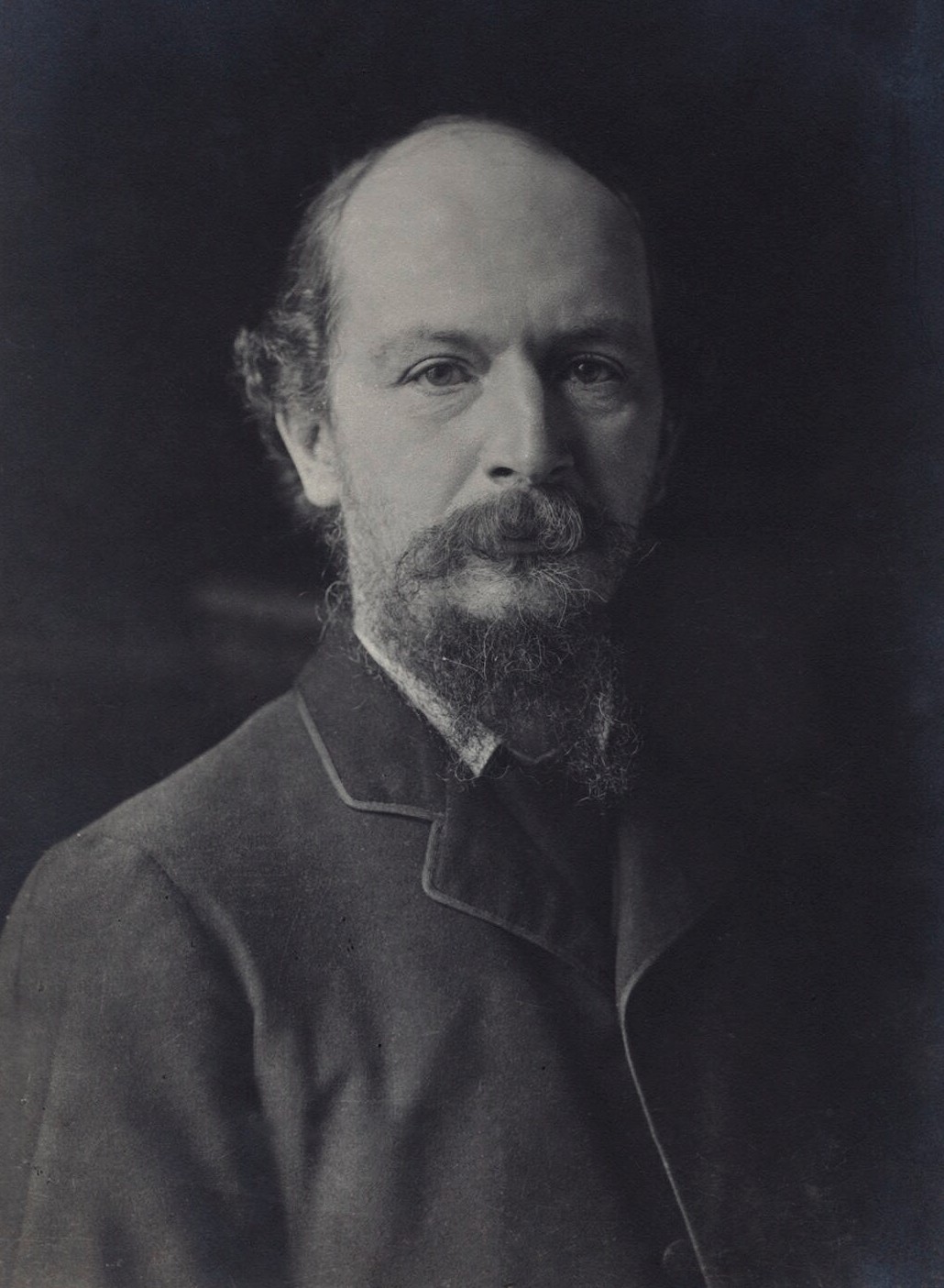
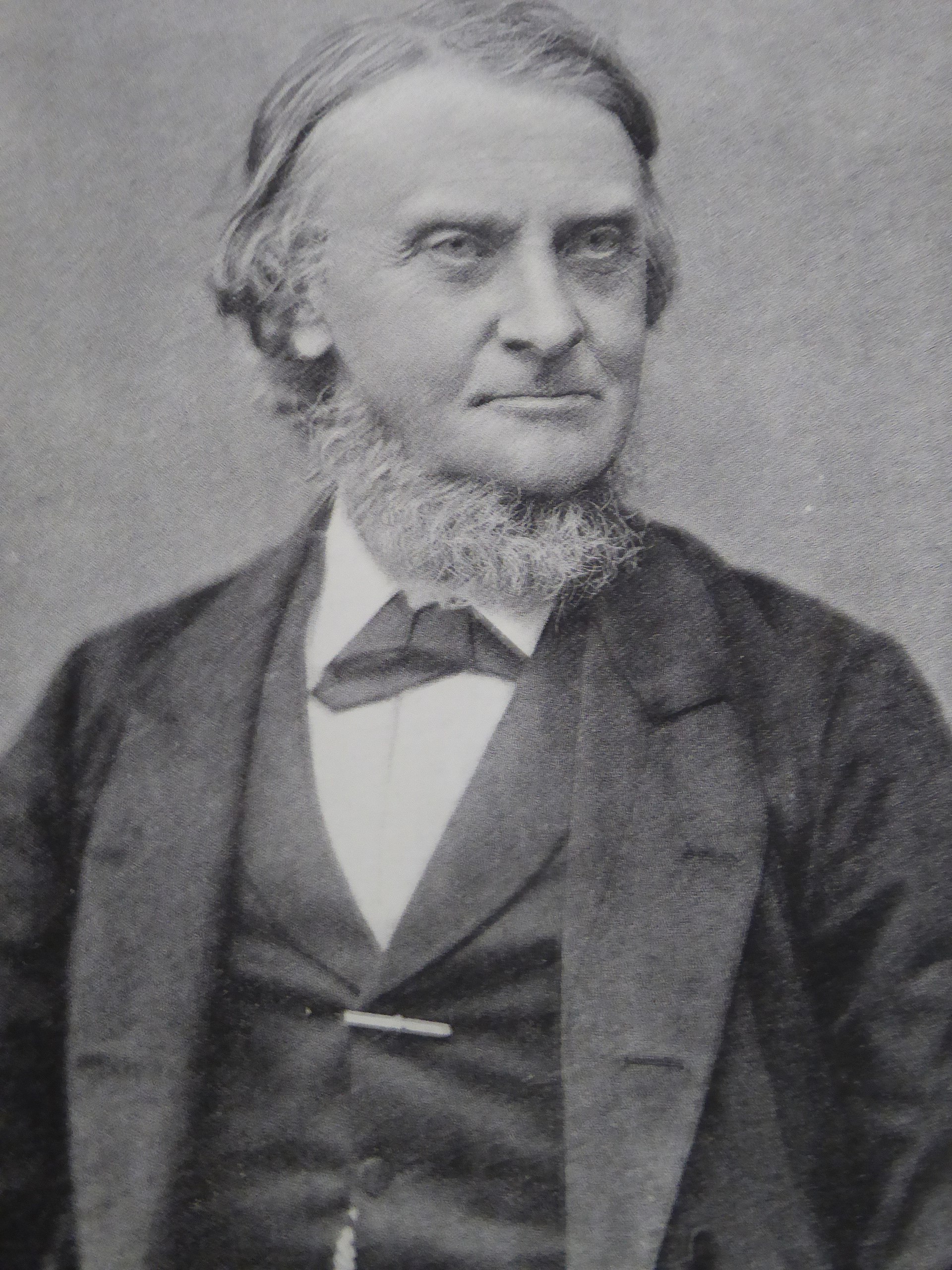
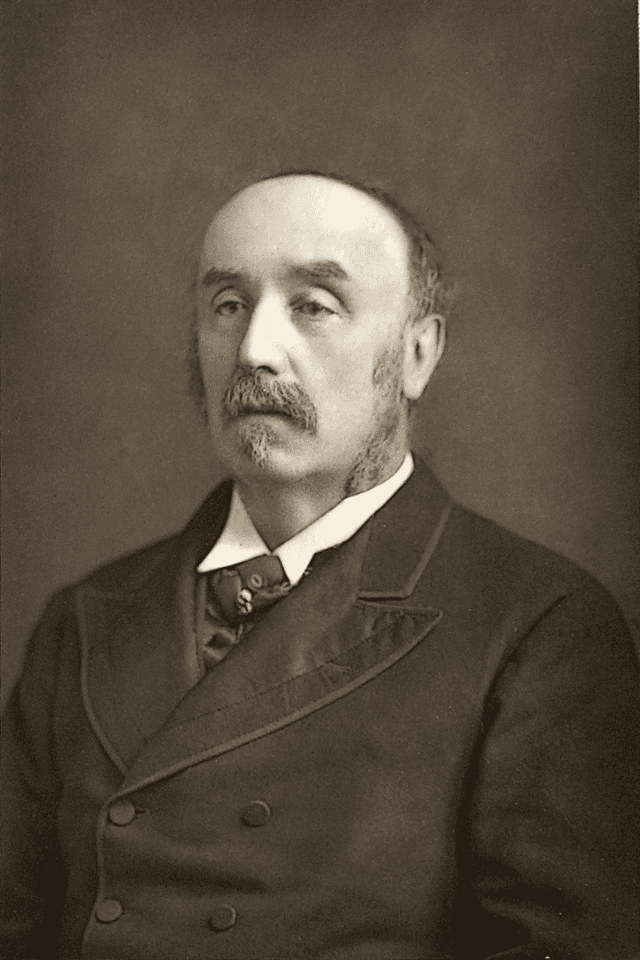
Lewis Morris

Lewis Morris

Lewis Morris was a prominent American Founding Father known for his role in the early governance of the United States. As a delegate from New York to the Continental Congress, he was a signatory of the Declaration of Independence, marking his commitment to the cause of American liberty. Morris was not only a political figure but also a landowner and developer in Morrisania, New York, where he contributed to the growth of the region during a transformative period in American history. Morris's legacy extends beyond his political achievements; he played a significant role in shaping the early framework of American democracy. His involvement in the Continental Congress placed him among the key figures advocating for independence from British rule. Morris's contributions are remembered as part of the foundational narrative of the United States, highlighting the importance of civic duty and the pursuit of freedom in the nation's history.

Wikipedia

Lewis Morris (April 8, 1726 – January 22, 1798) was an American Founding Father, landowner, and developer from Morrisani...

Written by Lex AI

Famous Quotes

View all 5 quotes

“People are surprisingly poetic. Especially when they’re not trying to be.””

“There was no reason whatever to make a wholesale choice between handicraft and machine production: between a single contemporary part of the technological pool and all the other past accumulations. But there was a genuine reason to maintain as many diverse units in this pool as possible, in order to increase the range of both human choices and technological inventiveness. Many of the machines of the nineteenth century, as Kropotkin pointed out, were admirable auxiliaries to handicraft processes, once they could be scaled, like the efficient small electric motor, to the small workshop and the personally controlled operation. William Morris and his colleagues, who almost single-handed salvaged and restored one ancient craft after another, by personally mastering the arts of dyeing, weaving, embroidering, printing, glass-painting, paper-making, book-binding, showed superior technological insight to those who scoffed at their romanticism.””

The Pentagon of Power

“The paradox of this arrangement was not lost on Lewis Mumford, who described suburbia as “a collective effort to live a private life.” In many ways, this goes to the heart of the matter, for it is a project based on self-contradiction”

Dark Ages America: The Final Phase of Empire

Books from the author

The Epic ofHades, inThree Books

1877

Lewis Morris

More authors like this

right arrow
Algernon Charles Swinburne
1837-1909
Robert Bridges
Robert Bridges
1844-1930
Robert Browning
Robert Browning
1812-1889
Alfred Tennyson, Baron Tennyson
1809-1892
Johan Ludvig Runeberg
1804-1877
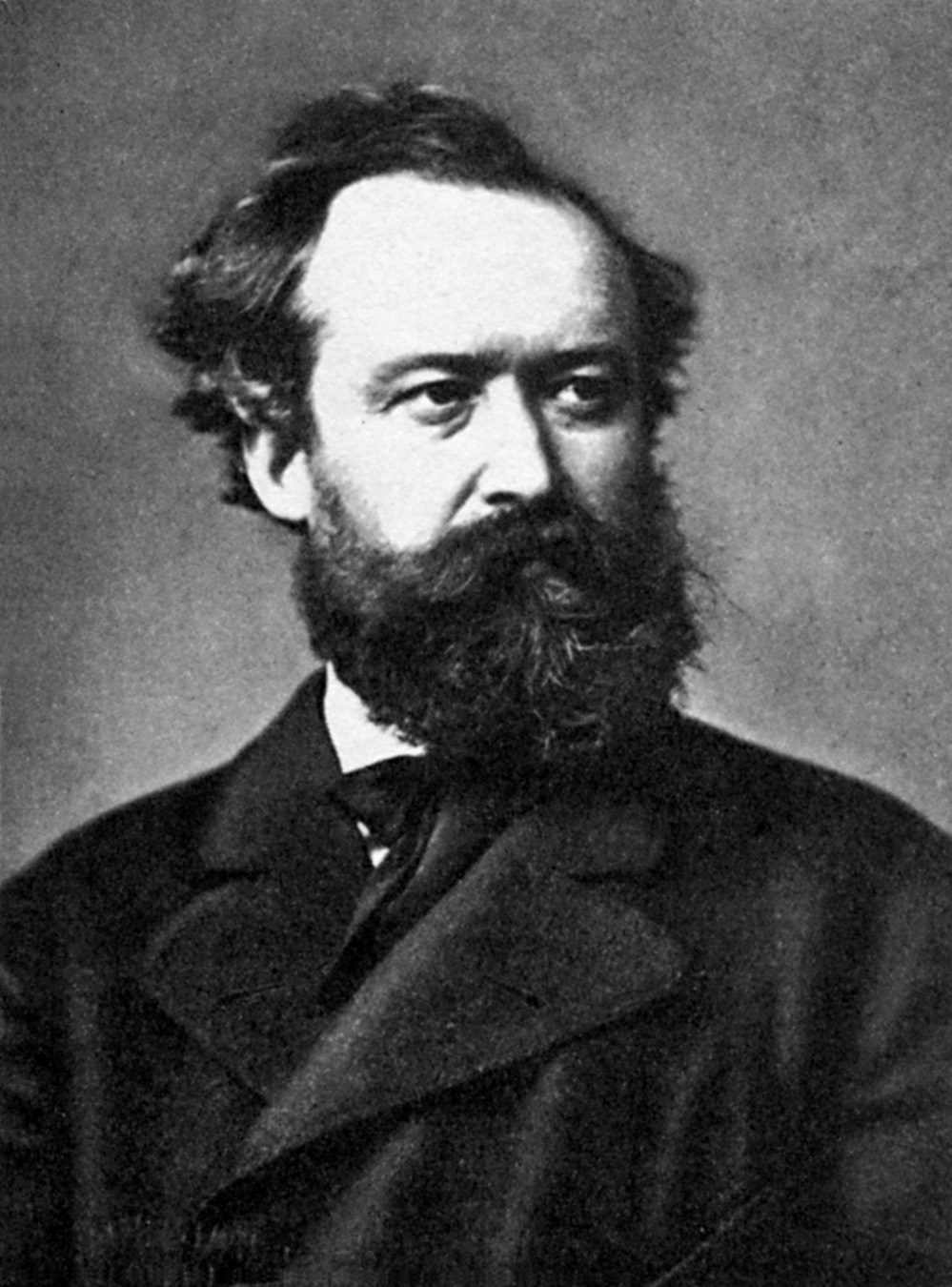
Wilhelm Busch
Wilhelm Busch
1832-1908
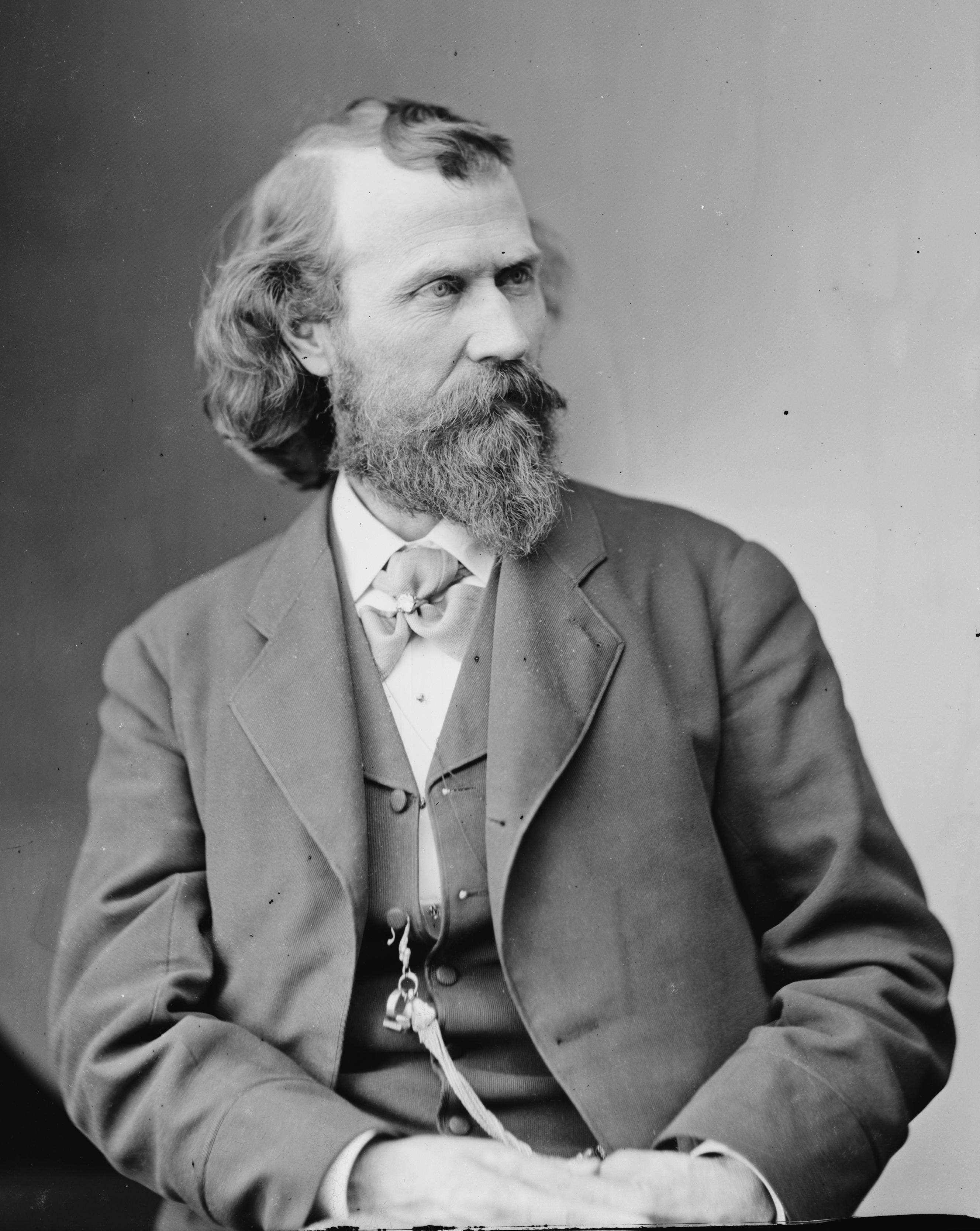
Joaquin Miller
Joaquin Miller
1837-1913
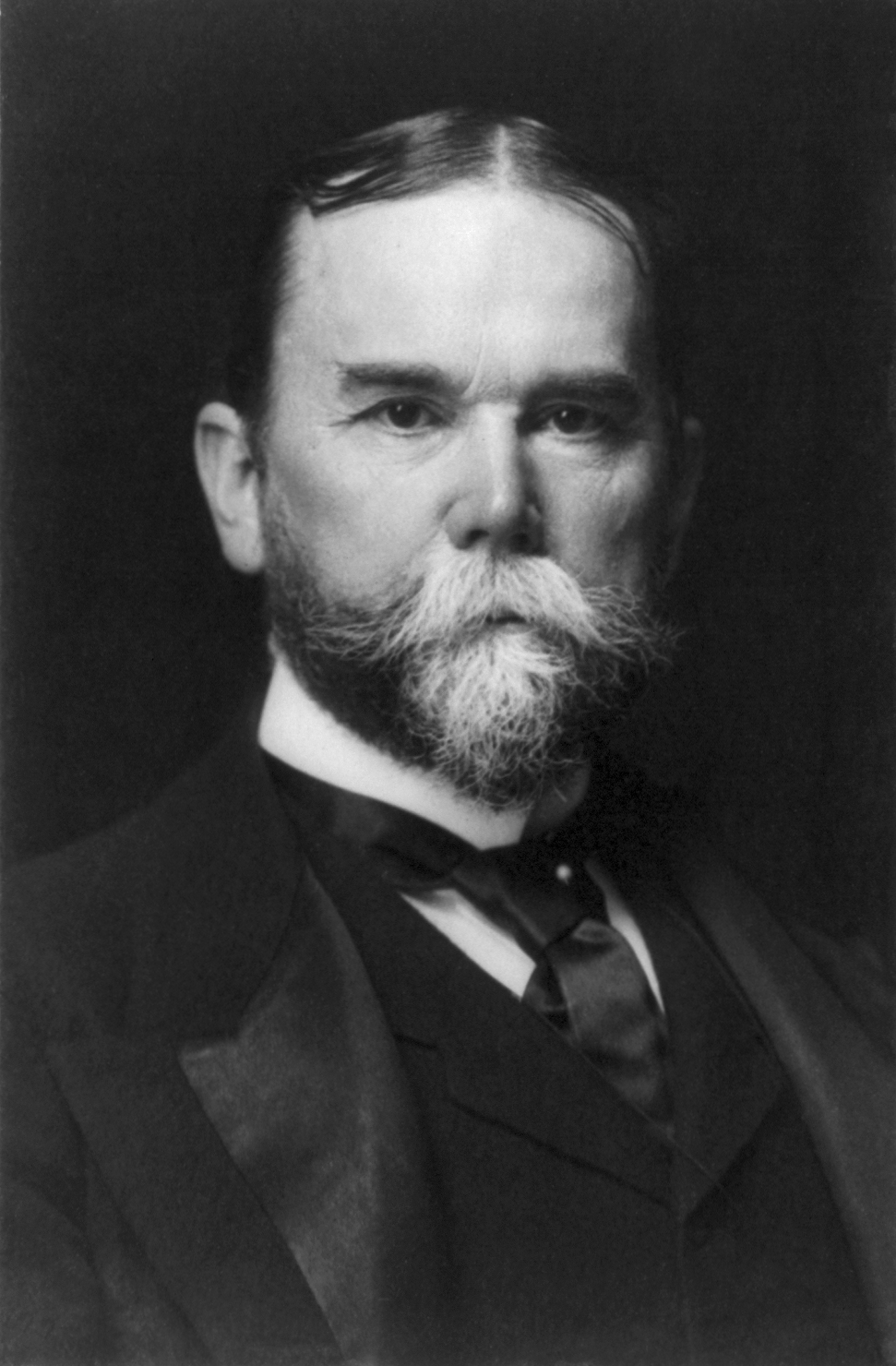
John Hay
John Hay
1838-1905
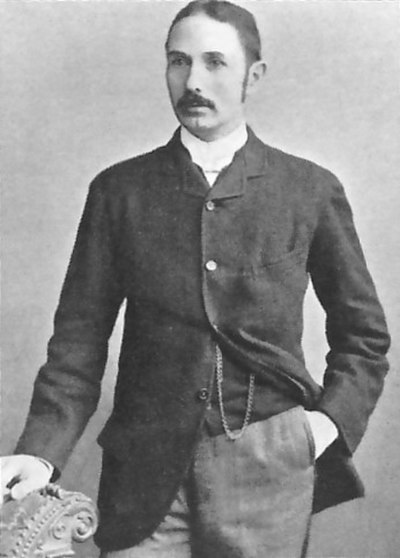
John Hartley
John Hartley
1839-1915
Alexander Maclaren
Alexander Maclaren
1826-1910
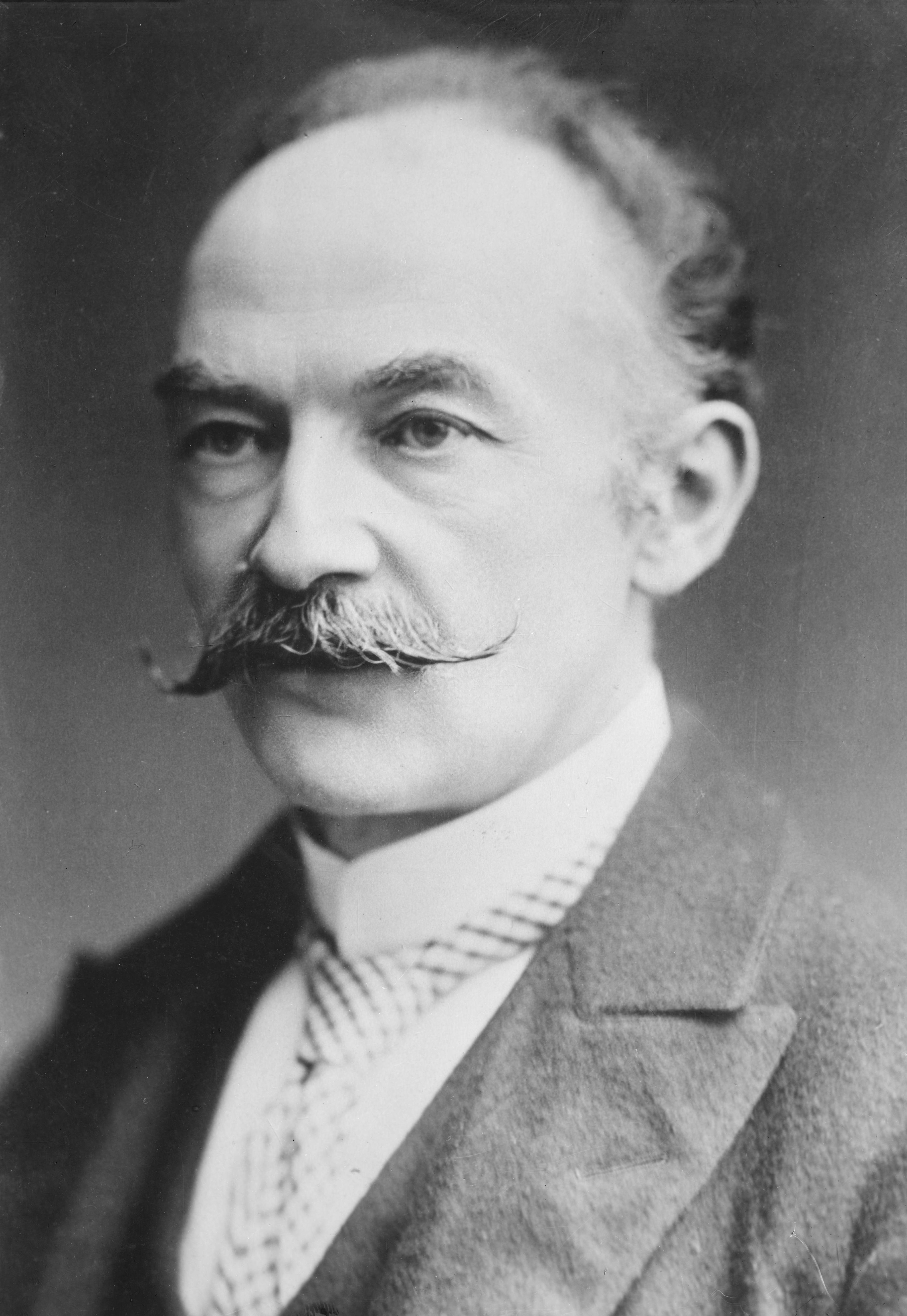
Thomas Hardy
Thomas Hardy
1840-1928
Frances Ellen Watkins Harper
1825-1911
Antero de Quental
Antero de Quental
1842-1891
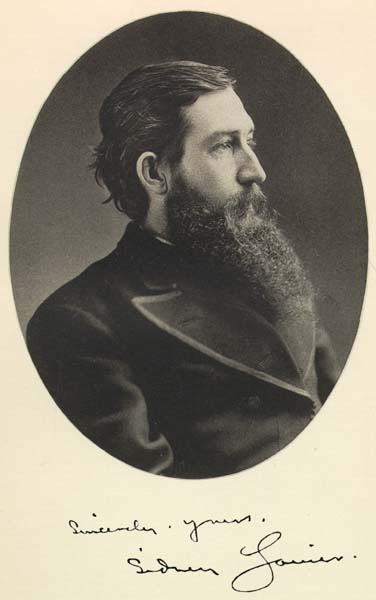
Sidney Lanier
Sidney Lanier
1842-1881
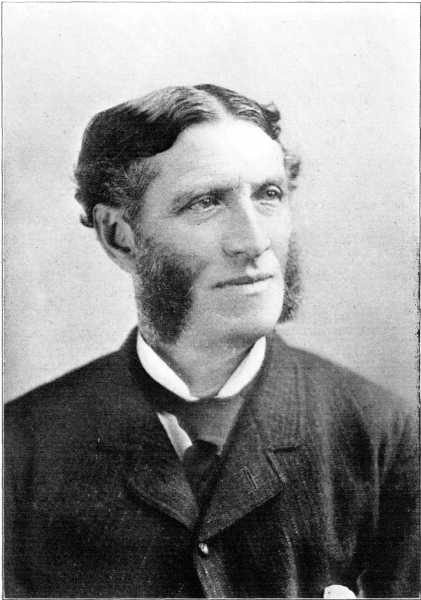
Matthew Arnold
Matthew Arnold
1822-1888
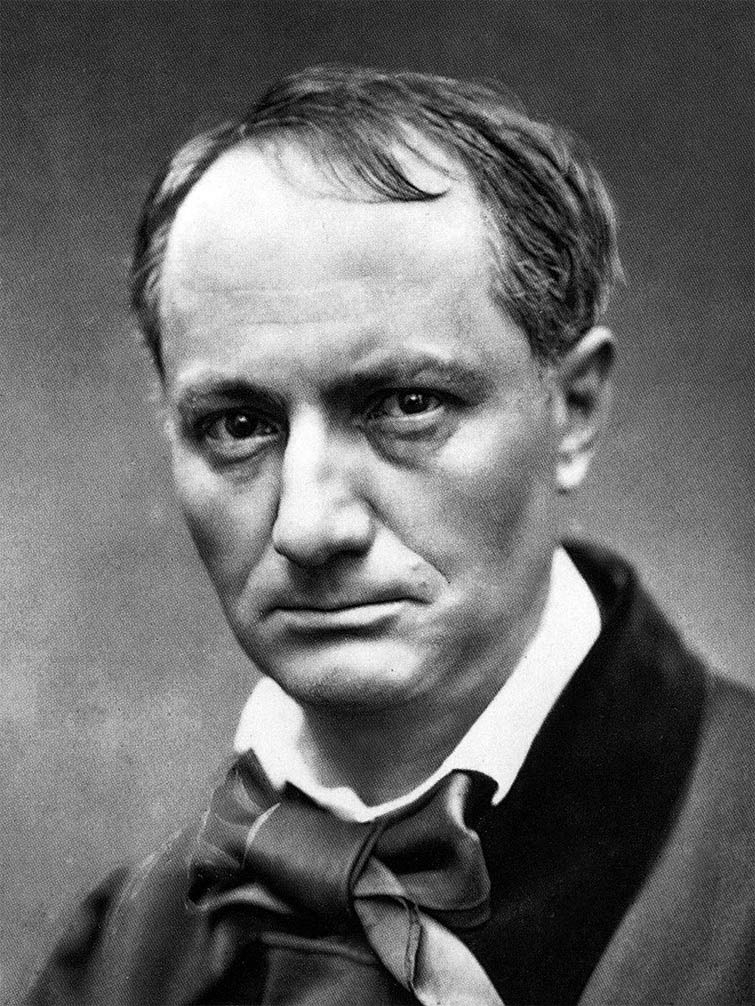
Charles Baudelaire
Charles Baudelaire
1821-1867

Link to this page

Add a free, dofollow link to Lex on your blog, forum, syllabus, or reading list.

Lewis Morris on Lex
HTML
<a href="https://lex-books.com/author/lewis-morris"><img src="https://lex-books.com/badges/read-on-lex.svg" alt="Lewis Morris on Lex" width="160" height="40"></a>
Markdown
[![Lewis Morris on Lex](https://lex-books.com/badges/read-on-lex.svg)](https://lex-books.com/author/lewis-morris)
BBCode
[url=https://lex-books.com/author/lewis-morris][img]https://lex-books.com/badges/read-on-lex.svg[/img][/url]
Plain link
Lewis Morris on Lex: https://lex-books.com/author/lewis-morris