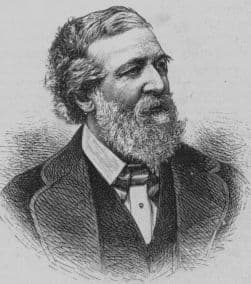
Robert Browning
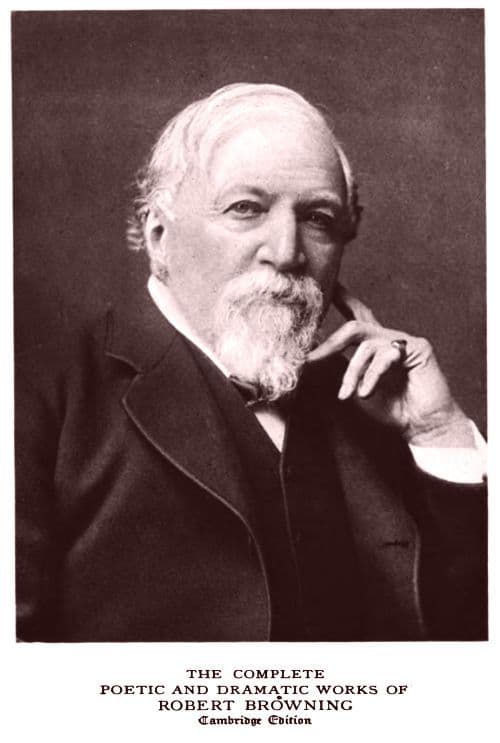
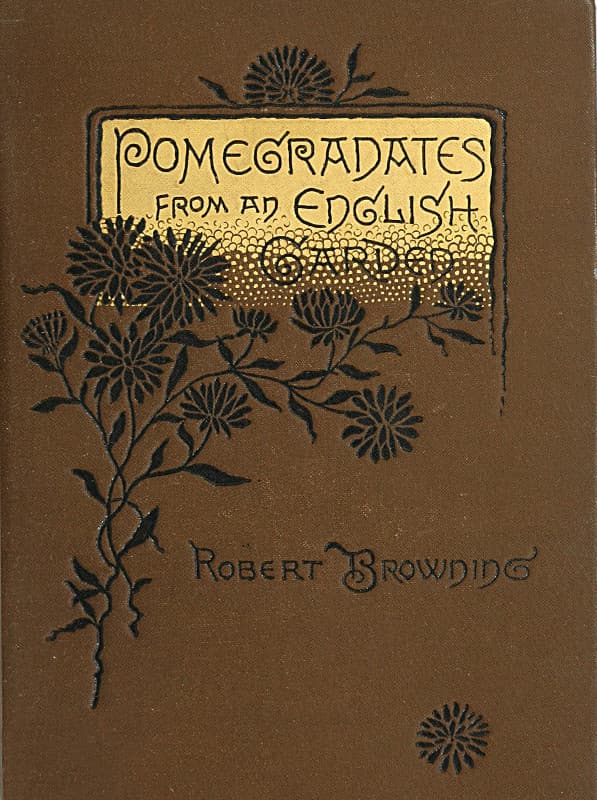
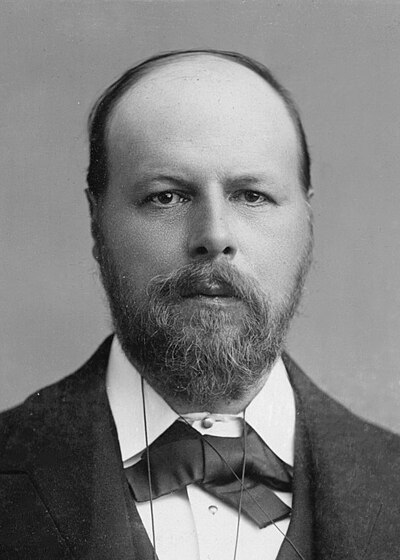
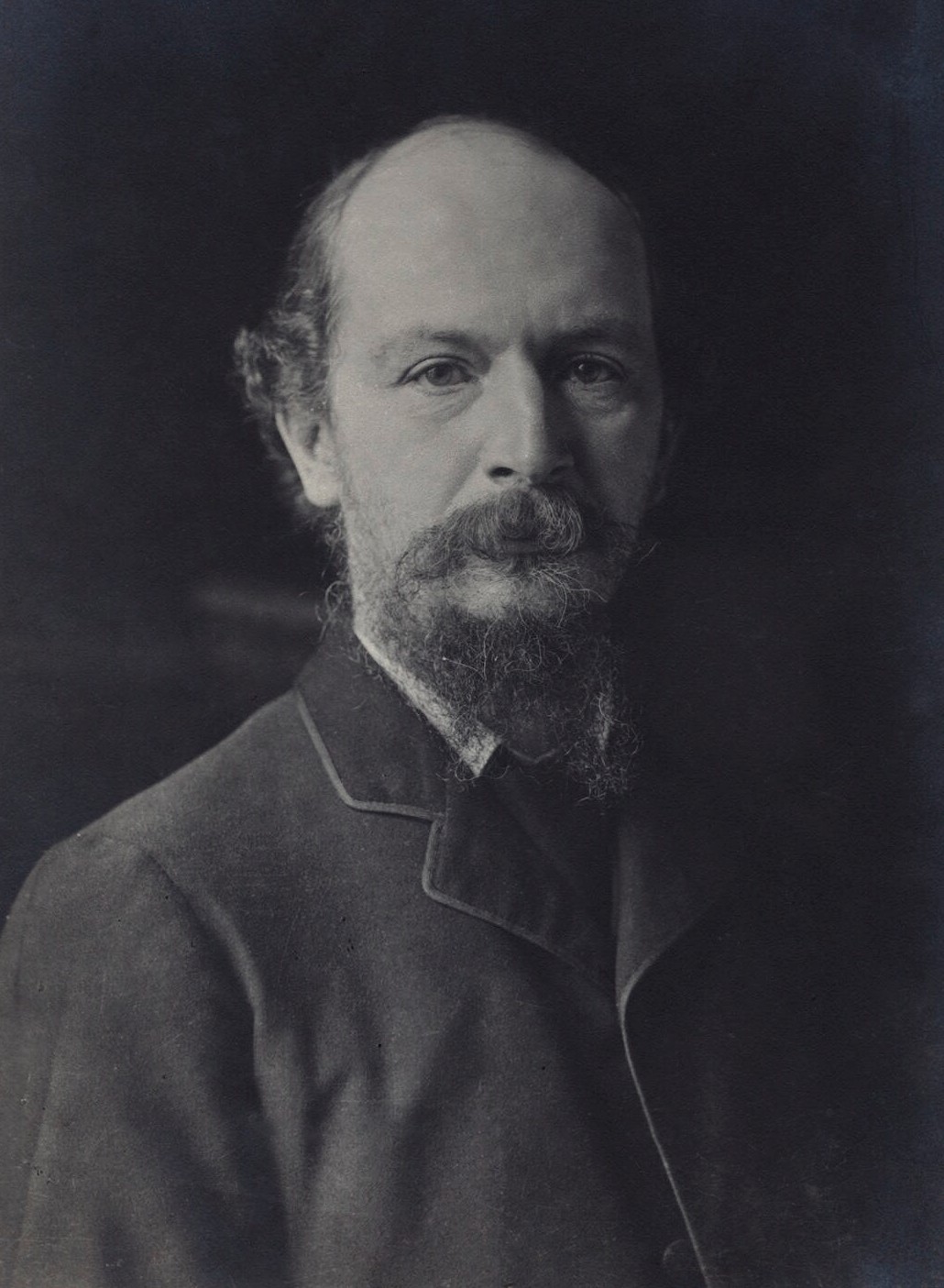
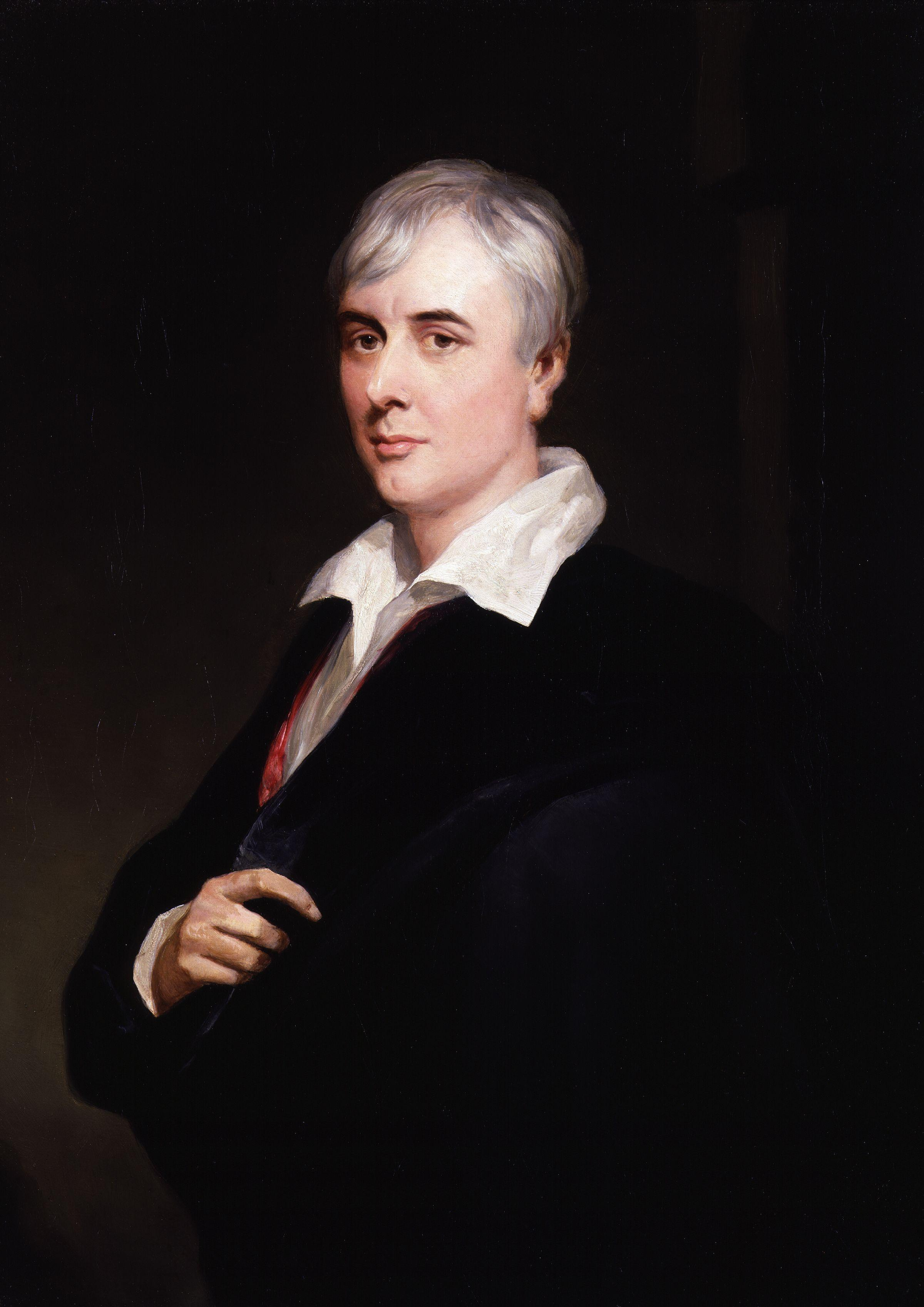
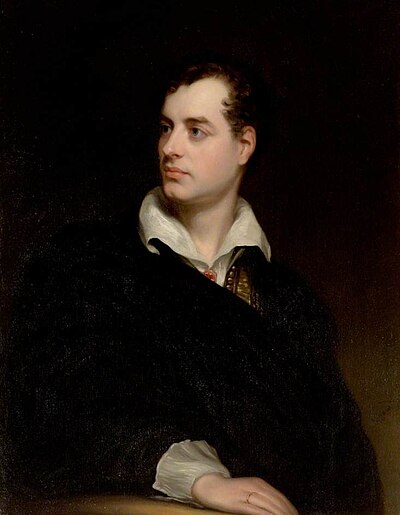
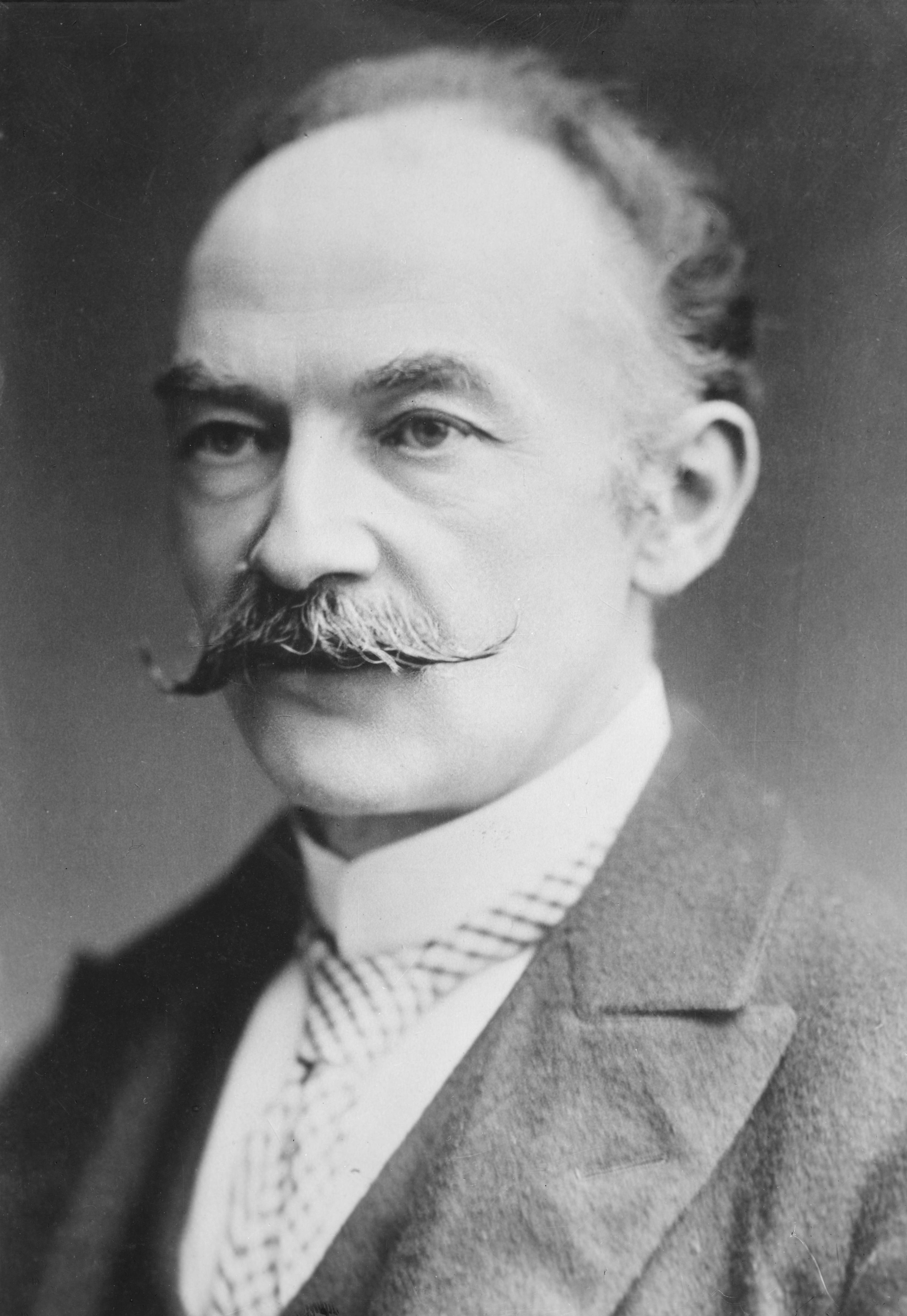
Robert Browning was an influential English poet and playwright, renowned for his innovative use of dramatic monologues that solidified his place among the foremost Victorian poets. His early works, including the long poems 'Pauline' (1833) and 'Paracelsus' (1835), garnered initial acclaim, but his reputation suffered after the publication of 'Sordello' (1840), which was criticized for its obscurity. It took over a decade for Browning to regain recognition, during which he evolved from the stylistic influences of Shelley to a more personal and introspective voice. His marriage to fellow poet Elizabeth Barrett in 1846 marked a significant turning point in his life and work, as they moved to Italy together, where he continued to write prolifically. Browning's later collections, such as 'Men and Women' (1855) and the monumental 'The Ring and the Book' (1868-1869), showcased his mastery of characterization, irony, and social commentary, establishing him as a leading figure in Victorian literature. By the time of his death in 1889, he was regarded not only as a poet but also as a sage and philosopher whose works contributed significantly to the social and political discourse of his time. His legacy endures, with societies dedicated to studying his poetry continuing to thrive into the 20th century and beyond.
Famous Quotes
View all 3 quotes“Who hears music, feels his solitudePeopled at once.””
“I walked a mile with Pleasure;She chatted all the way;But left me none the wiserFor all she had to say.I walked a mile with Sorrow;And ne’er a word said she;But, oh! The things I learned from her,When Sorrow walked with me.””
“Grow old along with me! The best is yet to be, the last of life, for which the first was made. Our times are in his hand who saith, 'A whole I planned, youth shows but half; Trust God: See all, nor be afraid!””
Books from the author

Link to this page
Add a free, dofollow link to Lex on your blog, forum, syllabus, or reading list.

<a href="https://lex-books.com/author/robert-browning"><img src="https://lex-books.com/badges/read-on-lex.svg" alt="Robert Browning on Lex" width="160" height="40"></a>[](https://lex-books.com/author/robert-browning)[url=https://lex-books.com/author/robert-browning][img]https://lex-books.com/badges/read-on-lex.svg[/img][/url]Robert Browning on Lex: https://lex-books.com/author/robert-browning