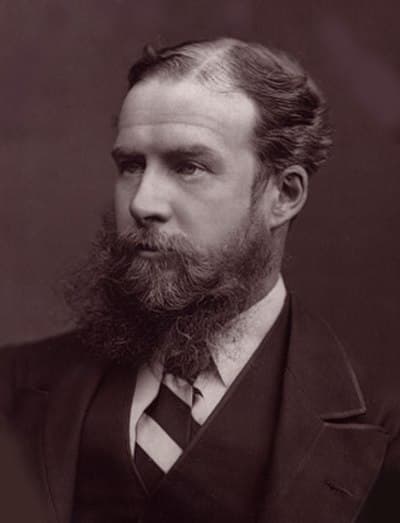
John, Sir Lubbock
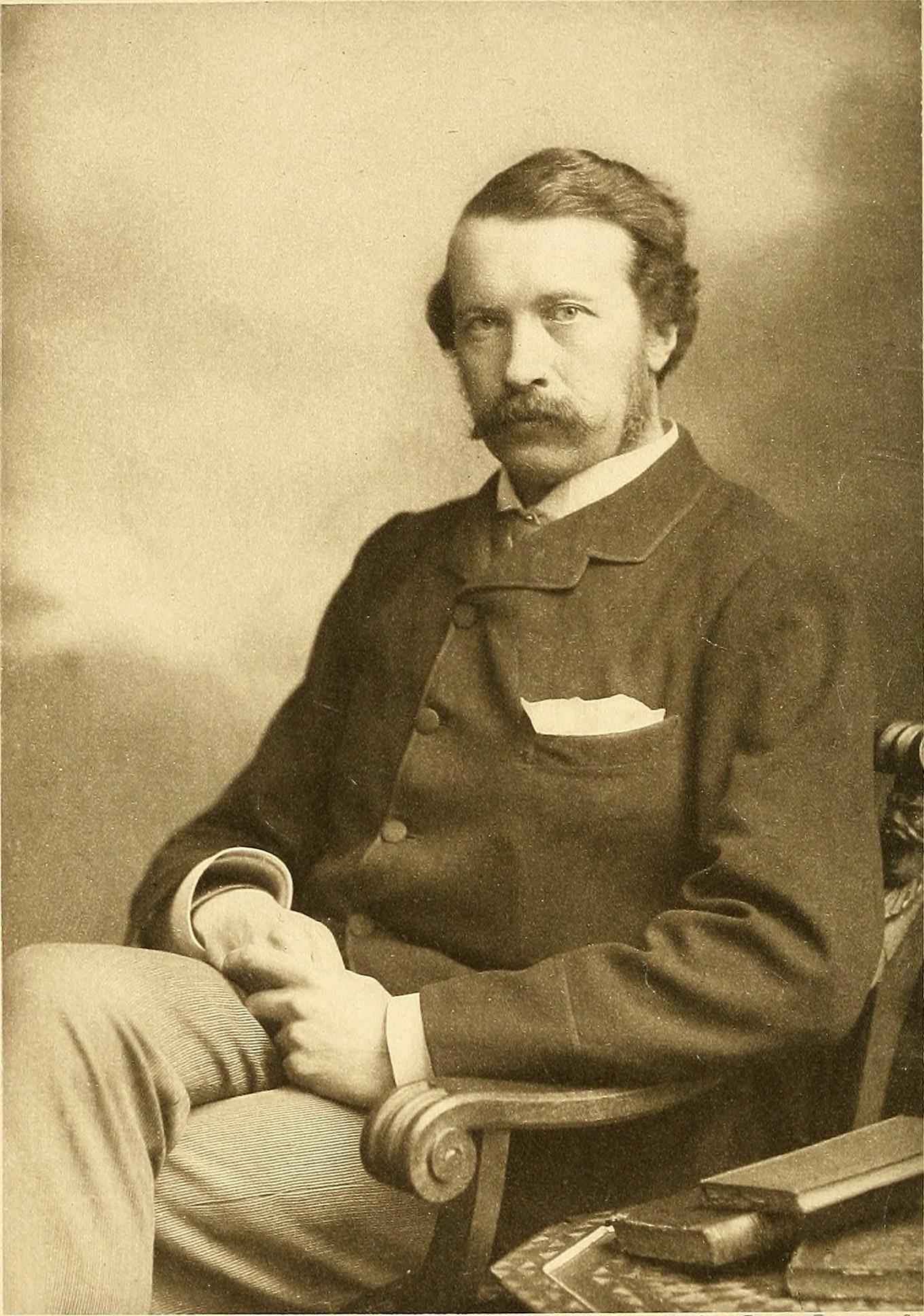
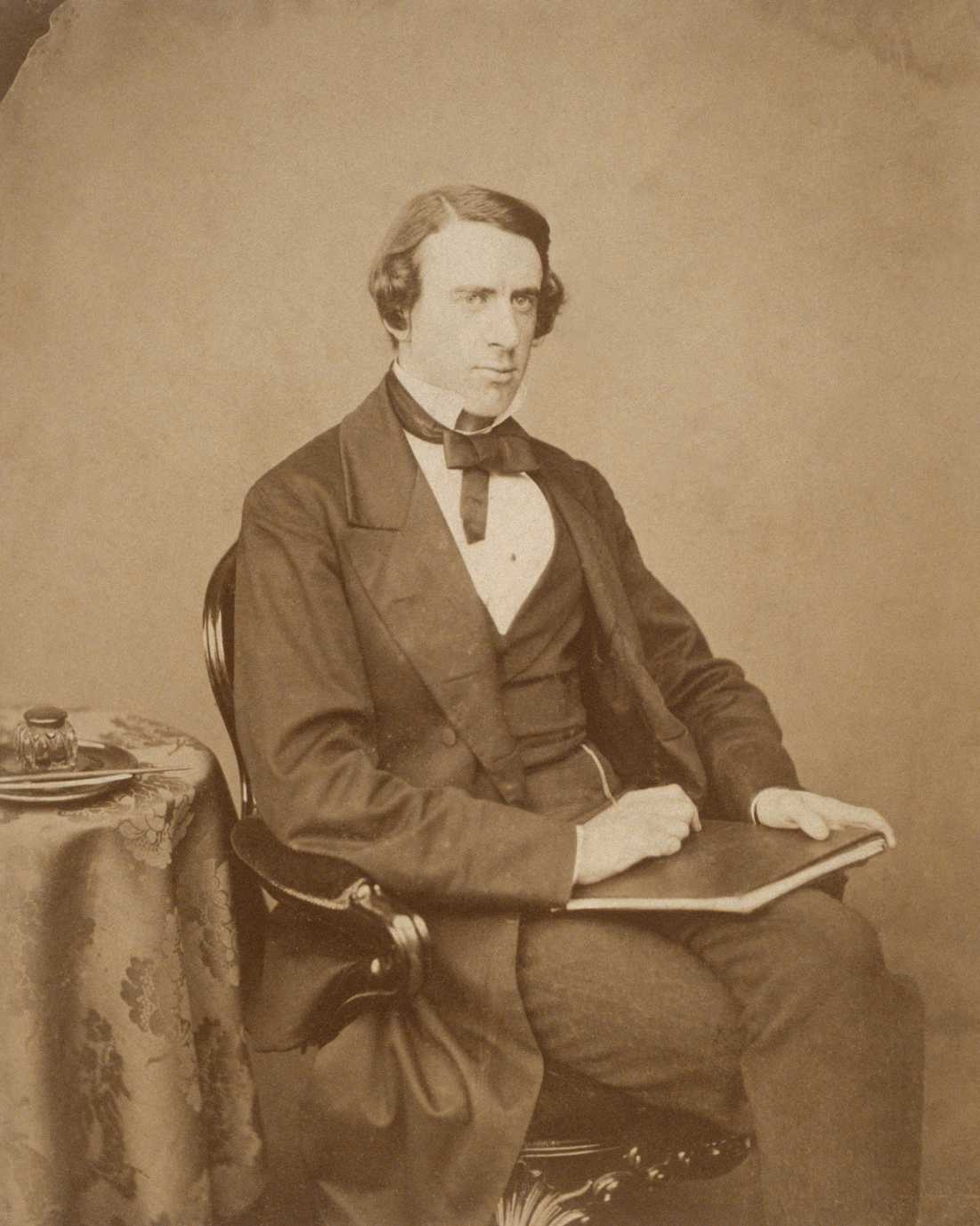
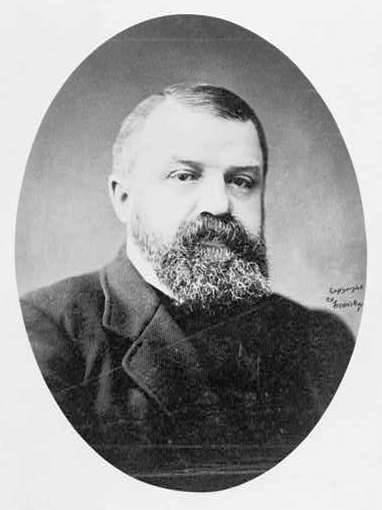
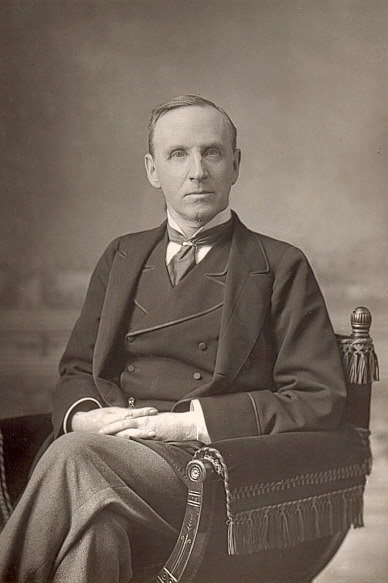
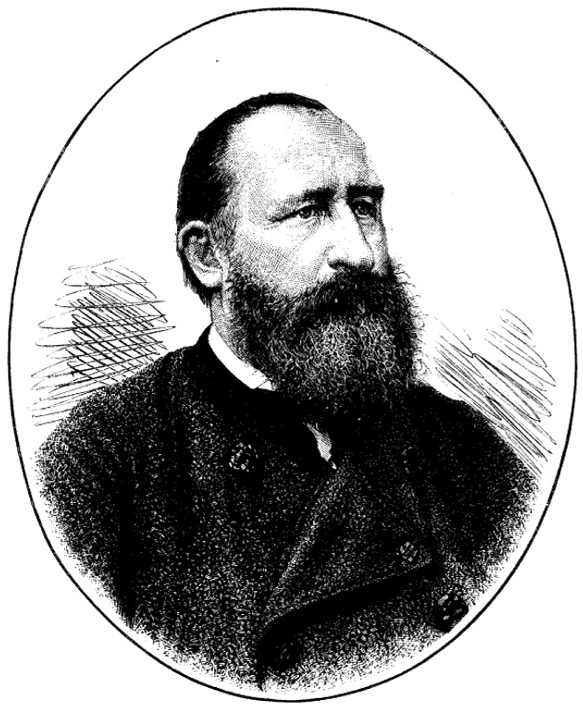
Sir John Lubbock was a prominent English banker, politician, and naturalist, best known for his contributions to the fields of archaeology and anthropology. Born into a wealthy family, he was educated at Eton and University College London, where he developed a keen interest in natural history. Lubbock's work in the late 19th century included pioneering studies of prehistoric man and the development of human culture, culminating in influential publications such as 'Prehistoric Times' and 'The Origin of Civilization'. These works were notable for their systematic approach to understanding human history through the lens of archaeology, making him one of the first to advocate for the scientific study of ancient cultures. In addition to his scientific endeavors, Lubbock was a significant figure in public life, serving as a Member of Parliament and later as a baronet. His advocacy for social reforms, including the introduction of the Bank Holidays Act, showcased his commitment to improving the lives of ordinary people. Lubbock's legacy extends beyond his scientific contributions; he played a crucial role in promoting the importance of scientific education and public engagement with the natural world. His work laid the groundwork for future generations of scientists and historians, establishing a framework for understanding the evolution of human societies.
Famous Quotes
View all 1 quotes“Don't be afraid of showing affection. Be warm and tender, thoughtful and affectionate. Men are more helped by sympathy than by service. Love is more than money, and a kind word will give more pleasure than a present.””
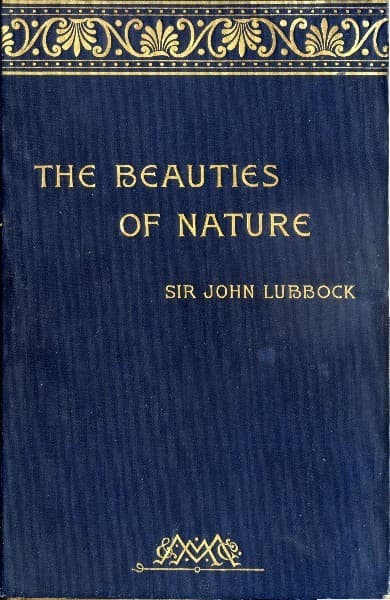
Books from the author


Link to this page
Add a free, dofollow link to Lex on your blog, forum, syllabus, or reading list.

<a href="https://lex-books.com/author/john-sir-lubbock"><img src="https://lex-books.com/badges/read-on-lex.svg" alt="John, Sir Lubbock on Lex" width="160" height="40"></a>[](https://lex-books.com/author/john-sir-lubbock)[url=https://lex-books.com/author/john-sir-lubbock][img]https://lex-books.com/badges/read-on-lex.svg[/img][/url]John, Sir Lubbock on Lex: https://lex-books.com/author/john-sir-lubbock