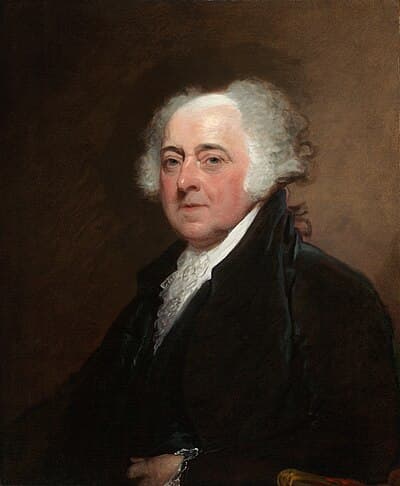
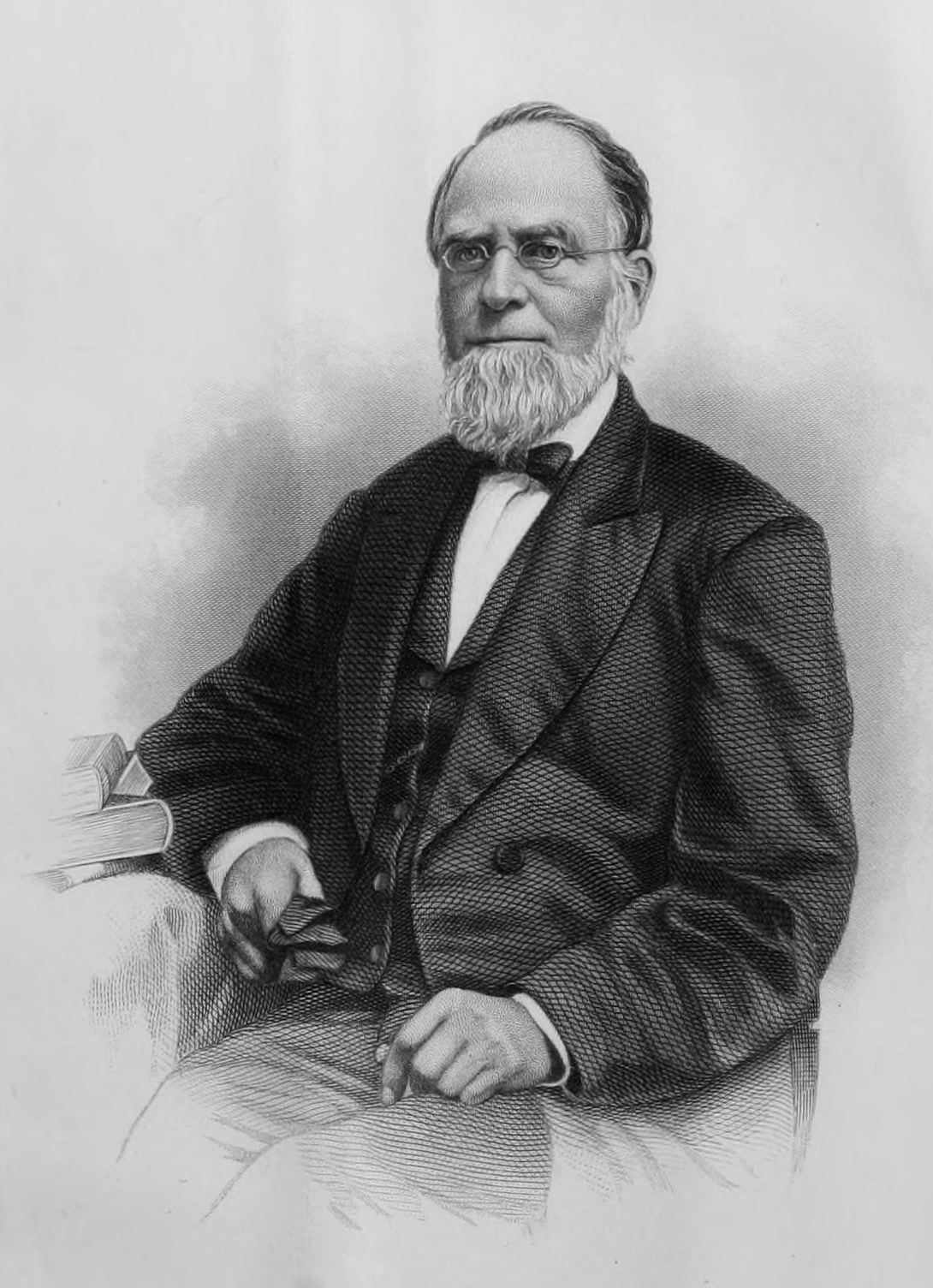
John G. Adams
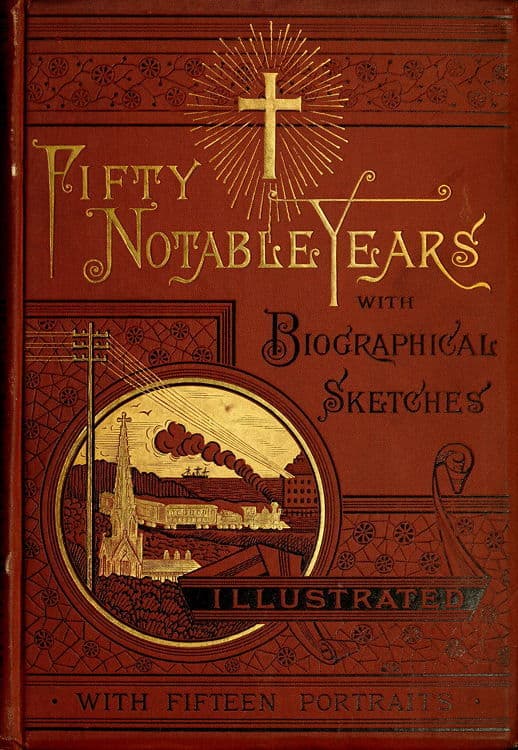
John G. Adams was a prominent figure in the 19th-century Universalist movement, known for his contributions to Christian literature and hymnody. His work, 'Hymns for Christian Devotion: Especially Adapted to the Universalist Denomination,' reflects his commitment to the Universalist faith, emphasizing themes of inclusivity and universal salvation. This collection of hymns not only served the spiritual needs of his contemporaries but also played a significant role in shaping the worship practices of Universalist congregations, making them accessible and meaningful to a broader audience. In addition to his hymns, Adams authored 'Fifty Notable Yearsviews of the Ministry of Christian Universalism During the Last Half-Century; With Biographical Sketches,' a reflective work that chronicles the development of the Universalist ministry and highlights influential figures within the movement. This text is notable for its historical perspective, providing insights into the evolution of Universalist thought and practice during a pivotal period in American religious history. Adams's writings contributed to the broader discourse on religious tolerance and the role of faith in public life, solidifying his legacy as an important voice in the Universalist tradition.
Famous Quotes
View all 6 quotes“If you took a couple of David Bowies and stuck one of the David Bowies on the top of the other David Bowie, then attached another David Bowie to the end of each of the arms of the upper of the first two David Bowies and wrapped the whole business up in a dirty beach robe you would then have something which didn't exactly look like John Watson, but which those who knew him would find hauntingly familiar.””
“In December 1861, upset at her exclusion from a family party, she informed him that “while ruminating this morning upon all my grievances and the indignities I had endured I inadvertantly said S__ t upon him.”17 While never as open with her complaints as Augusta Adams, Emmeline Free resented the fact that Amelia Folsom became her husband’s preferred consort. She lived the last few years of her life as an invalid, a “dope fiend” addicted to morphine, according to Young’s daughter Susa. The ledger of Young’s family store documents Emmeline’s frequent acquisition of morphine, a common relief for many chronic illnesses in the late nineteenth century. Young’s correspondence reveals an ongoing concern for Emmeline’s welfare. In December 1874, for example, Young telegraphed Emmeline from St. George, encouraging her to “ferment” and then take some medicinal roots. Despite such attempts, she died in 1875.18””
“(1) Did God specifically promise to make a new covenant, or did he promise a new administration of the same covenant? (2) Was the Old Covenant made with Israel at Sinai or was it made with Adam in the Garden? What does Scripture say? The great difference between the nation of Israel and the Gentiles was that of ‘having the law’ as a covenant and the gospel as a promise, as opposed to ‘not having the law’ and being without a covenant or hope””
Books from the author

Link to this page
Add a free, dofollow link to Lex on your blog, forum, syllabus, or reading list.

<a href="https://lex-books.com/author/john-g-adams"><img src="https://lex-books.com/badges/read-on-lex.svg" alt="John G. Adams on Lex" width="160" height="40"></a>[](https://lex-books.com/author/john-g-adams)[url=https://lex-books.com/author/john-g-adams][img]https://lex-books.com/badges/read-on-lex.svg[/img][/url]John G. Adams on Lex: https://lex-books.com/author/john-g-adams