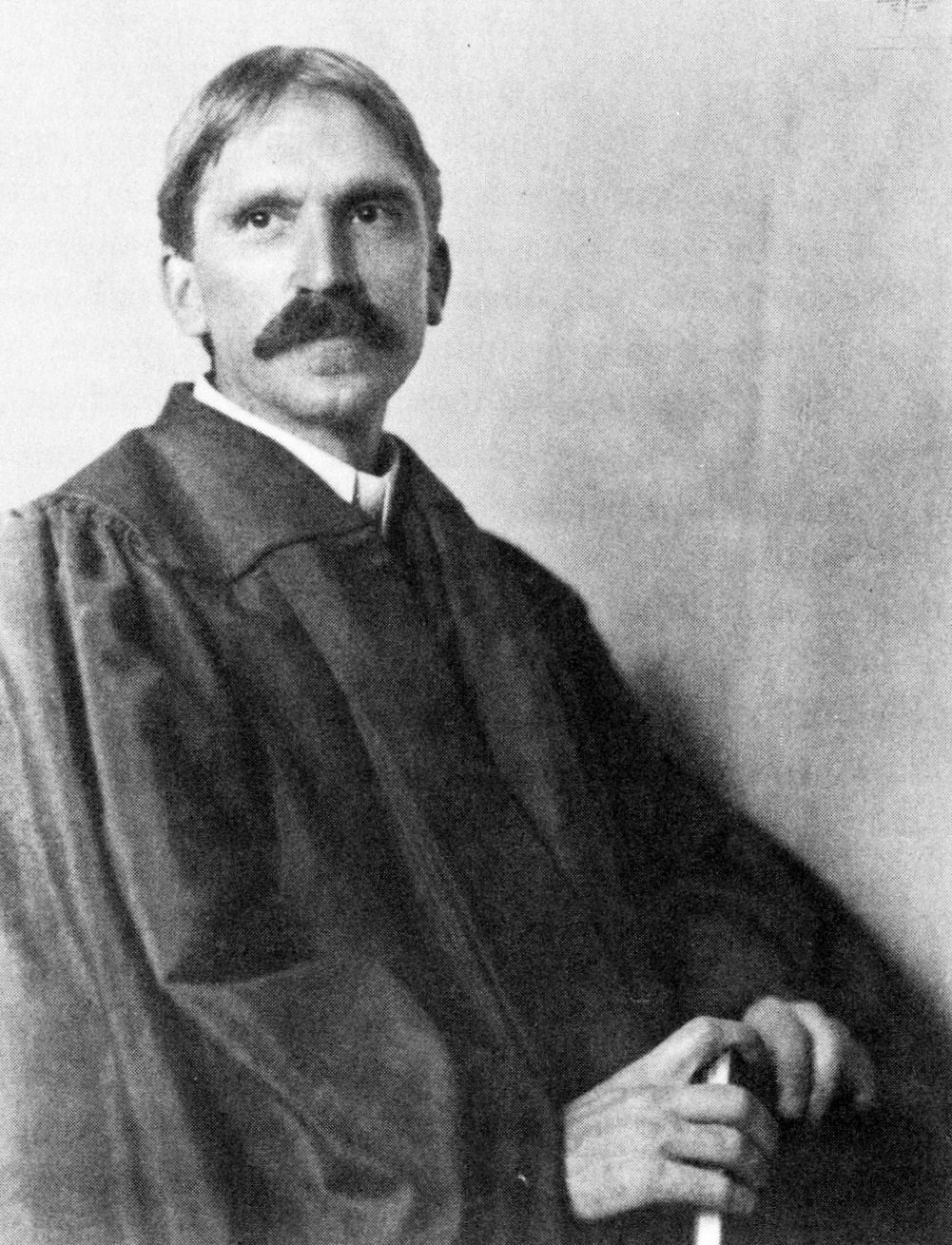
Psychology and Social Practice
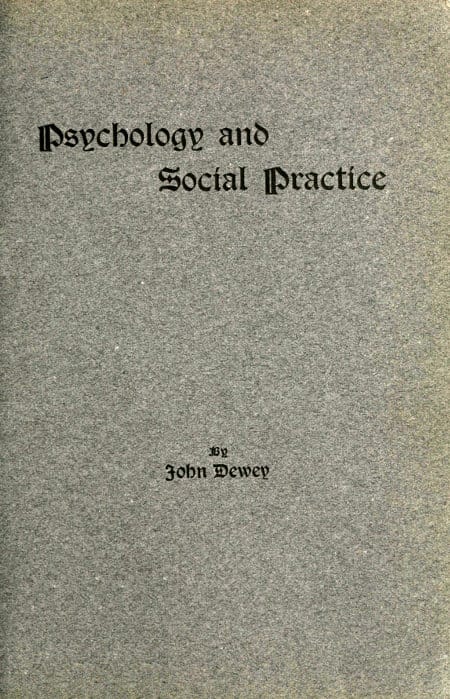
In 1902, John Dewey issued a radical challenge to educators: stop treating children as incomplete adults and start understanding them as beings in a state of growth. This short, dense work laid the philosophical groundwork for everything progressive education would become. Dewey systematically argues that traditional schooling imposes adult frameworks onto young minds that simply do not work the same way. Children think differently, form habits differently, and learn differently than their teachers. The book traces how educational practices evolved without genuine psychological understanding, creating systems that fail the very children they claim to serve. Dewey insists that education cannot be effective, let alone ethical, when it ignores the fundamental realities of how humans develop. His solution is not mere reform but a complete reconceptualization of the relationship between psychological science and pedagogical practice. The book endures because the gap Dewey identified between what we know about the mind and what happens in classrooms has never been fully closed.
Editions
X-Ray
“The psychologist, in his most remote and technical occupation with mechanism, is contributing his bit to that ordered knowledge which alone enables mankind to secure a larger and to direct a more equal flow of values in life.””
— John Dewey
Link to this book
Add a free, dofollow link to Lex on your blog, forum, syllabus, or reading list.

<a href="https://lex-books.com/book/psychology-and-social-practice-4a27048c-8a73-4161-a953-2472cff5b76c"><img src="https://lex-books.com/badges/read-on-lex.svg" alt="Read Psychology and Social Practice by John Dewey free on Lex" width="160" height="40"></a>[](https://lex-books.com/book/psychology-and-social-practice-4a27048c-8a73-4161-a953-2472cff5b76c)[url=https://lex-books.com/book/psychology-and-social-practice-4a27048c-8a73-4161-a953-2472cff5b76c][img]https://lex-books.com/badges/read-on-lex.svg[/img][/url]Read Psychology and Social Practice by John Dewey free on Lex: https://lex-books.com/book/psychology-and-social-practice-4a27048c-8a73-4161-a953-2472cff5b76cCite this book
Reading this edition for a paper or guide? Copy a citation.
Dewey, John. Psychology and Social Practice. Lex, lex-books.com/book/psychology-and-social-practice-4a27048c-8a73-4161-a953-2472cff5b76c.Dewey, J. (n.d.). Psychology and Social Practice. Lex. https://lex-books.com/book/psychology-and-social-practice-4a27048c-8a73-4161-a953-2472cff5b76cDewey, John. Psychology and Social Practice. Lex. https://lex-books.com/book/psychology-and-social-practice-4a27048c-8a73-4161-a953-2472cff5b76c.