Creative Intelligence: Essays in the Pragmatic Attitude
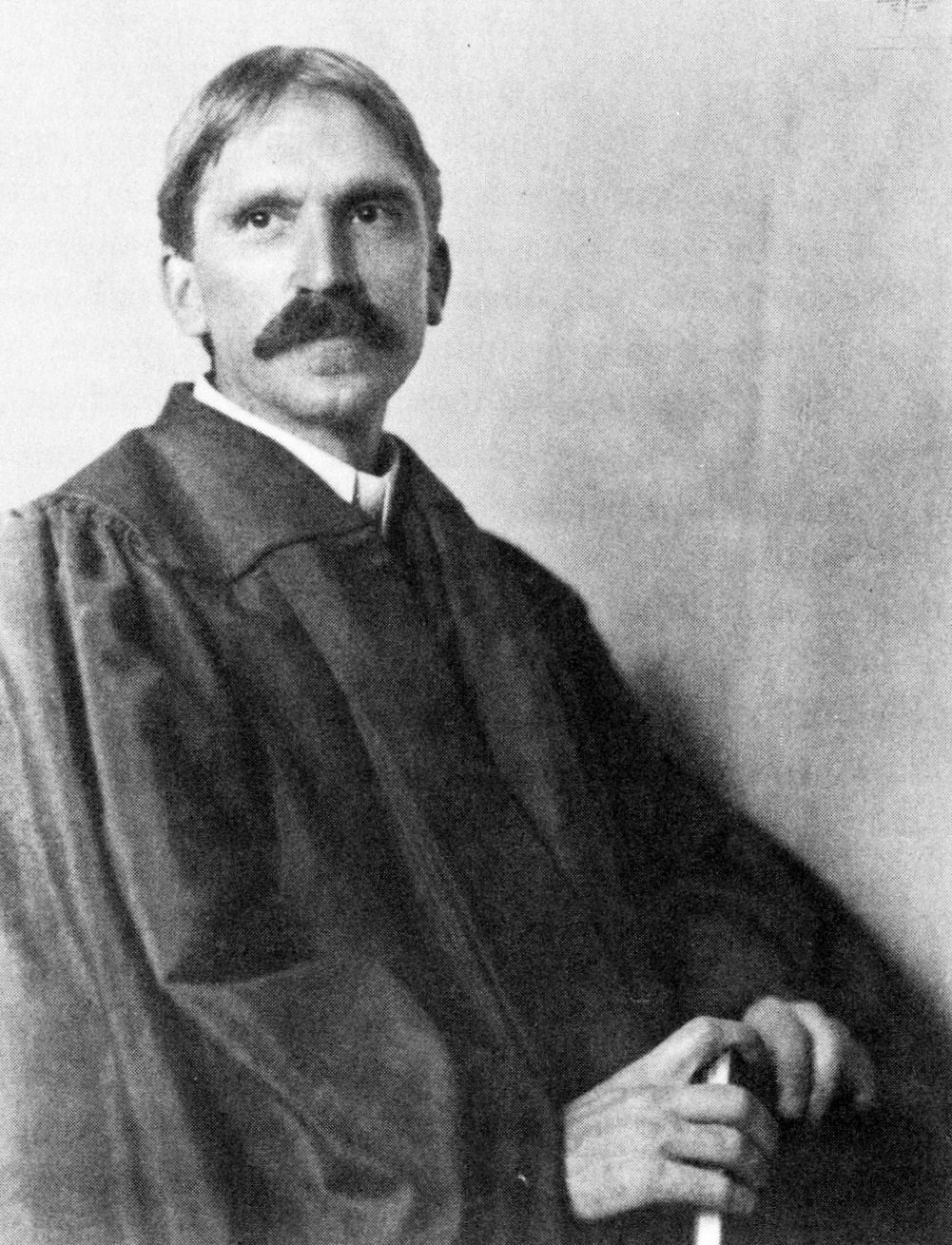
John Dewey wasn't interested in philosophy as abstract contemplation. He wanted thought that does something. This 1923 collection of essays argues that intelligence is fundamentally creative, a tool for reshaping experience rather than merely mirroring reality. Against the tradition that valued pure thought as its own reward, Dewey insists that concepts earn their keep by how they function in lived experience. These pages constitute a bracing manifesto for pragmatic thinking: ideas are hypotheses to be tested, not sacred truths to be preserved. The essays range across logic, ethics, and psychology, but they share a central conviction: philosophy has calcified by turning its back on the messy, evolving problems of actual human life. Dewey's call to recover philosophy's connection to experience feels urgent now, in an age of specialized knowledge that often forgets why it matters. For readers who suspect that thinking should serve living, not the other way around, these essays remain essential.
Editions
Link to this book
Add a free, dofollow link to Lex on your blog, forum, syllabus, or reading list.

<a href="https://lex-books.com/book/creative-intelligence-essays-in-the-pragmatic-attitude-429108ee-be4a-47b3-9ecd-d8d4983ec1c8"><img src="https://lex-books.com/badges/read-on-lex.svg" alt="Read Creative Intelligence: Essays in the Pragmatic Attitude by John Dewey free on Lex" width="160" height="40"></a>[](https://lex-books.com/book/creative-intelligence-essays-in-the-pragmatic-attitude-429108ee-be4a-47b3-9ecd-d8d4983ec1c8)[url=https://lex-books.com/book/creative-intelligence-essays-in-the-pragmatic-attitude-429108ee-be4a-47b3-9ecd-d8d4983ec1c8][img]https://lex-books.com/badges/read-on-lex.svg[/img][/url]Read Creative Intelligence: Essays in the Pragmatic Attitude by John Dewey free on Lex: https://lex-books.com/book/creative-intelligence-essays-in-the-pragmatic-attitude-429108ee-be4a-47b3-9ecd-d8d4983ec1c8Cite this book
Reading this edition for a paper or guide? Copy a citation.
Dewey, John. Creative Intelligence: Essays in the Pragmatic Attitude. Lex, lex-books.com/book/creative-intelligence-essays-in-the-pragmatic-attitude-429108ee-be4a-47b3-9ecd-d8d4983ec1c8.Dewey, J. (n.d.). Creative Intelligence: Essays in the Pragmatic Attitude. Lex. https://lex-books.com/book/creative-intelligence-essays-in-the-pragmatic-attitude-429108ee-be4a-47b3-9ecd-d8d4983ec1c8Dewey, John. Creative Intelligence: Essays in the Pragmatic Attitude. Lex. https://lex-books.com/book/creative-intelligence-essays-in-the-pragmatic-attitude-429108ee-be4a-47b3-9ecd-d8d4983ec1c8.