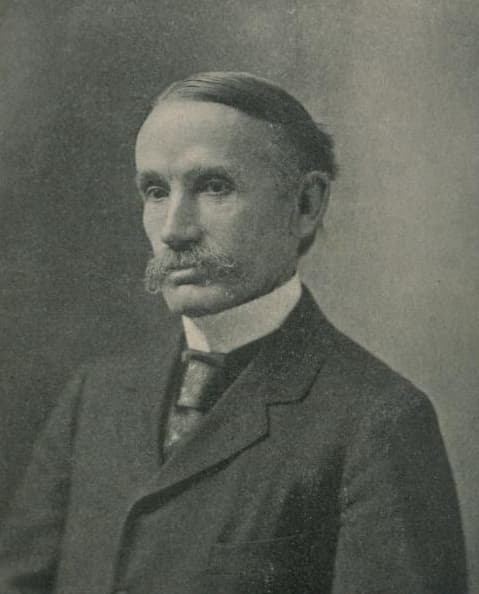
John Bates Clark
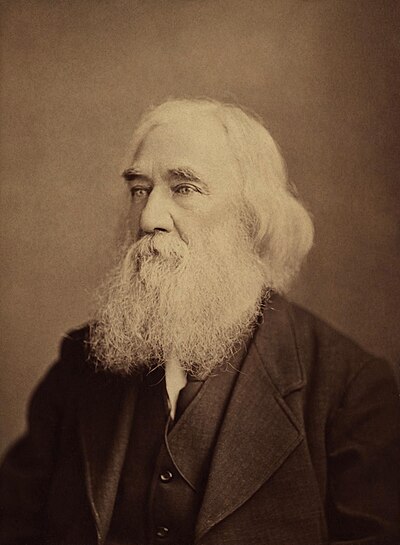
John Bates Clark was an influential American economist known for his pivotal role in the marginalist revolution, which transformed economic theory in the late 19th and early 20th centuries. He spent the majority of his academic career at Columbia University, where he became a leading figure in neoclassical economics. Clark's work emphasized the importance of marginal utility and the role of individual decision-making in economic processes, setting the stage for modern economic thought. His critiques of the Institutionalist school highlighted the need for a more rigorous mathematical approach to economics, which was a significant departure from prevailing theories of his time. Among his notable contributions are his seminal works, including "The Distribution of Wealth" and "The Philosophy of Wealth," where he explored the implications of wealth distribution and the ethical dimensions of economic theory. Clark's ideas not only shaped the field of economics but also influenced subsequent generations of economists, establishing him as a foundational figure in American economic thought. His legacy endures through the principles he championed, which continue to inform contemporary economic analysis and policy discussions.
Famous Quotes
View all 1 quotes“We may build a machine that will not work, or make a product that no one wants; but labor that attains a rational purpose is always economically productive.”
Books from the author


Link to this page
Add a free, dofollow link to Lex on your blog, forum, syllabus, or reading list.

<a href="https://lex-books.com/author/john-bates-clark"><img src="https://lex-books.com/badges/read-on-lex.svg" alt="John Bates Clark on Lex" width="160" height="40"></a>[](https://lex-books.com/author/john-bates-clark)[url=https://lex-books.com/author/john-bates-clark][img]https://lex-books.com/badges/read-on-lex.svg[/img][/url]John Bates Clark on Lex: https://lex-books.com/author/john-bates-clark