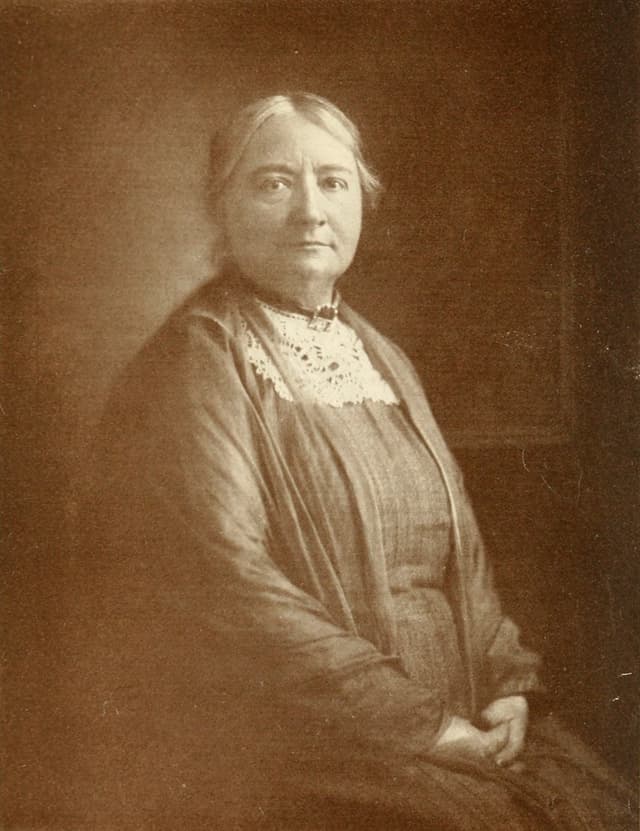
Ellen Key
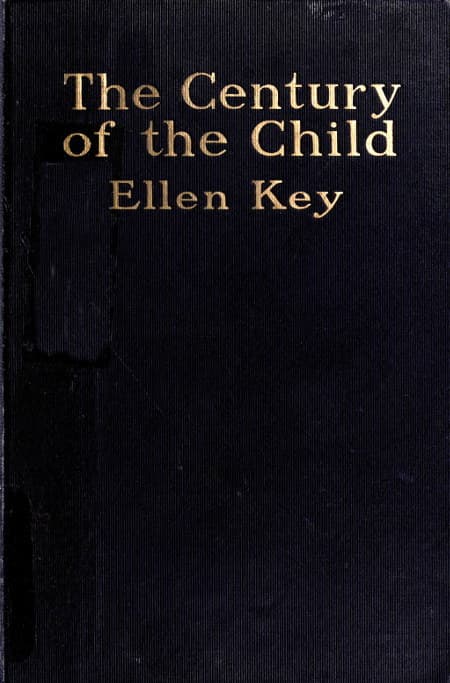
Ellen Key was a prominent Swedish writer and feminist, recognized for her influential contributions to discussions on family life, education, and ethics during the Modern Breakthrough movement. Born in 1849, she became an early advocate for a child-centered approach to education and parenting, emphasizing the importance of nurturing children's development. Her most notable work, 'Barnets århundrade' (1900), translated into English as 'The Century of the Child' in 1909, argued for the rights of children and the necessity of reforming educational practices to prioritize their needs and well-being. Key's writings extended beyond education; she was also a passionate suffragist, advocating for women's rights and social reform. Her ideas challenged traditional views on gender roles and family structures, making her a significant figure in the early feminist movement. Through her work, Key not only shaped educational discourse but also contributed to broader societal changes regarding women's rights and child welfare. Her legacy endures as a pioneering voice in feminist literature and child advocacy, influencing generations of educators and activists alike.
Famous Quotes
View all 2 quotes“Why is the heart that is broken considered so much more valuable than the one or the two who must cause the pain lest they themselves perish?”
“Love is moral even without legal marriage, but marriage is immoral without love.”
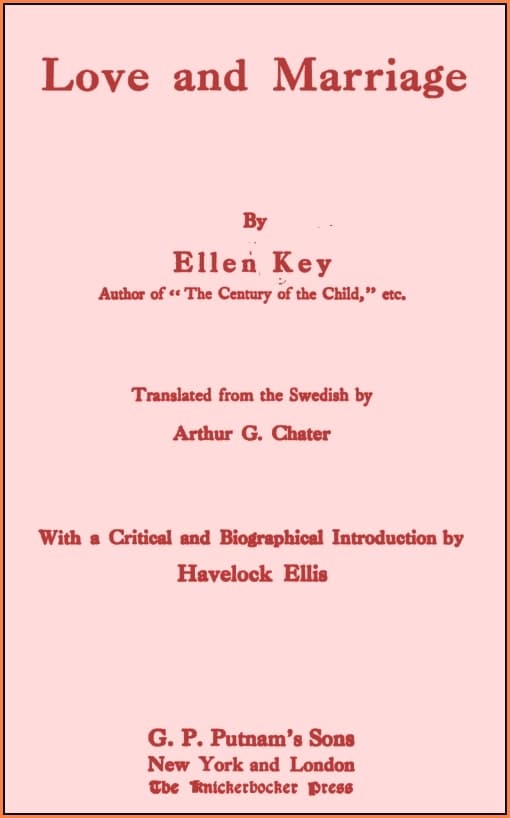
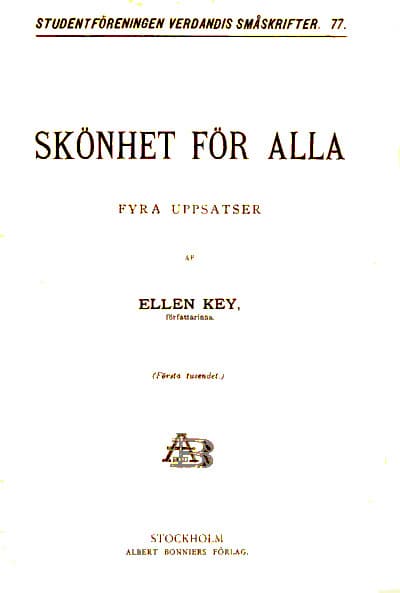
Books from the author



Link to this page
Add a free, dofollow link to Lex on your blog, forum, syllabus, or reading list.

<a href="https://lex-books.com/author/ellen-key"><img src="https://lex-books.com/badges/read-on-lex.svg" alt="Ellen Key on Lex" width="160" height="40"></a>[](https://lex-books.com/author/ellen-key)[url=https://lex-books.com/author/ellen-key][img]https://lex-books.com/badges/read-on-lex.svg[/img][/url]Ellen Key on Lex: https://lex-books.com/author/ellen-key