Uncle Tom's Cabin, Young Folks' Edition
1852
Uncle Tom's Cabin, Young Folks' Edition
1852
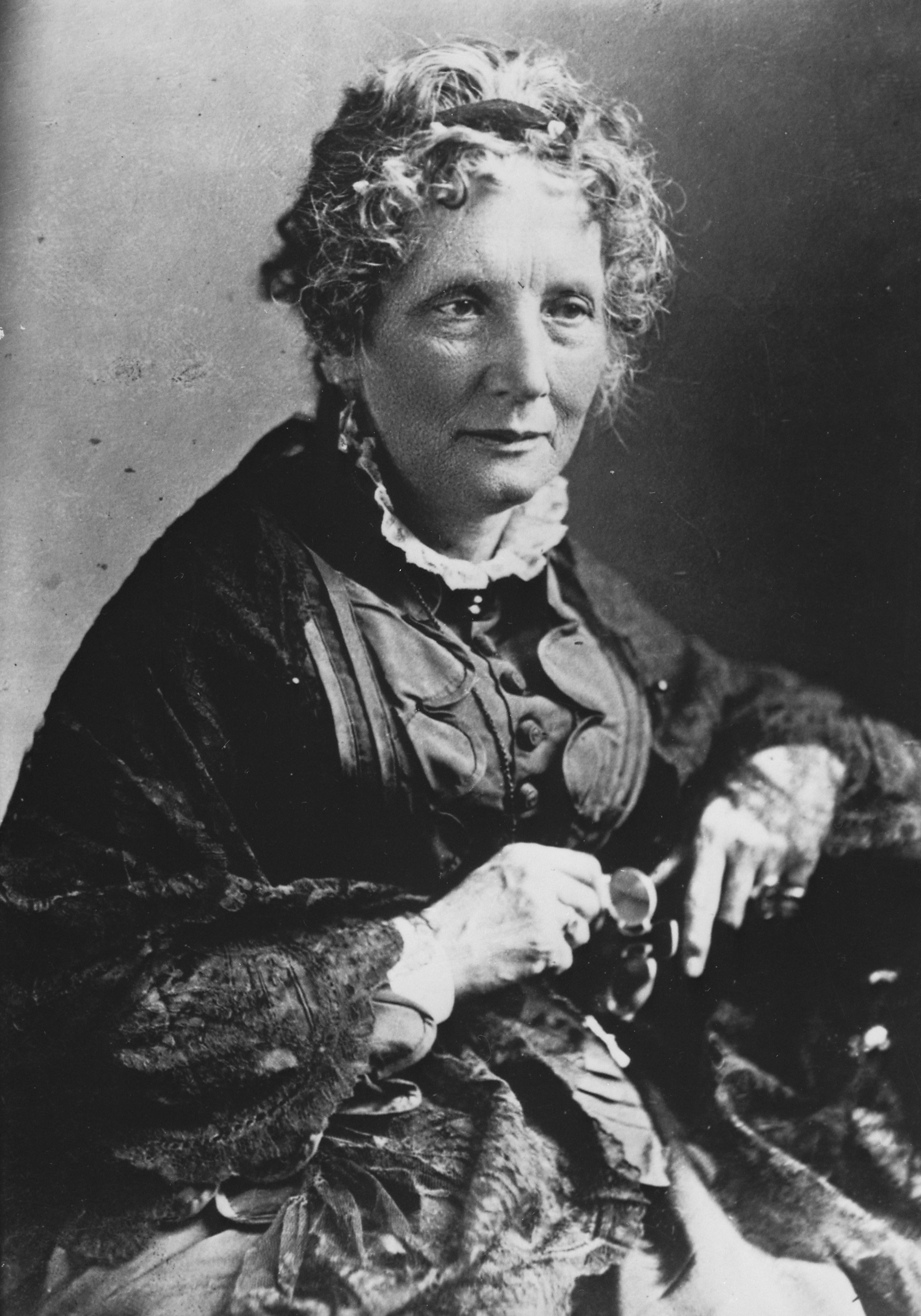
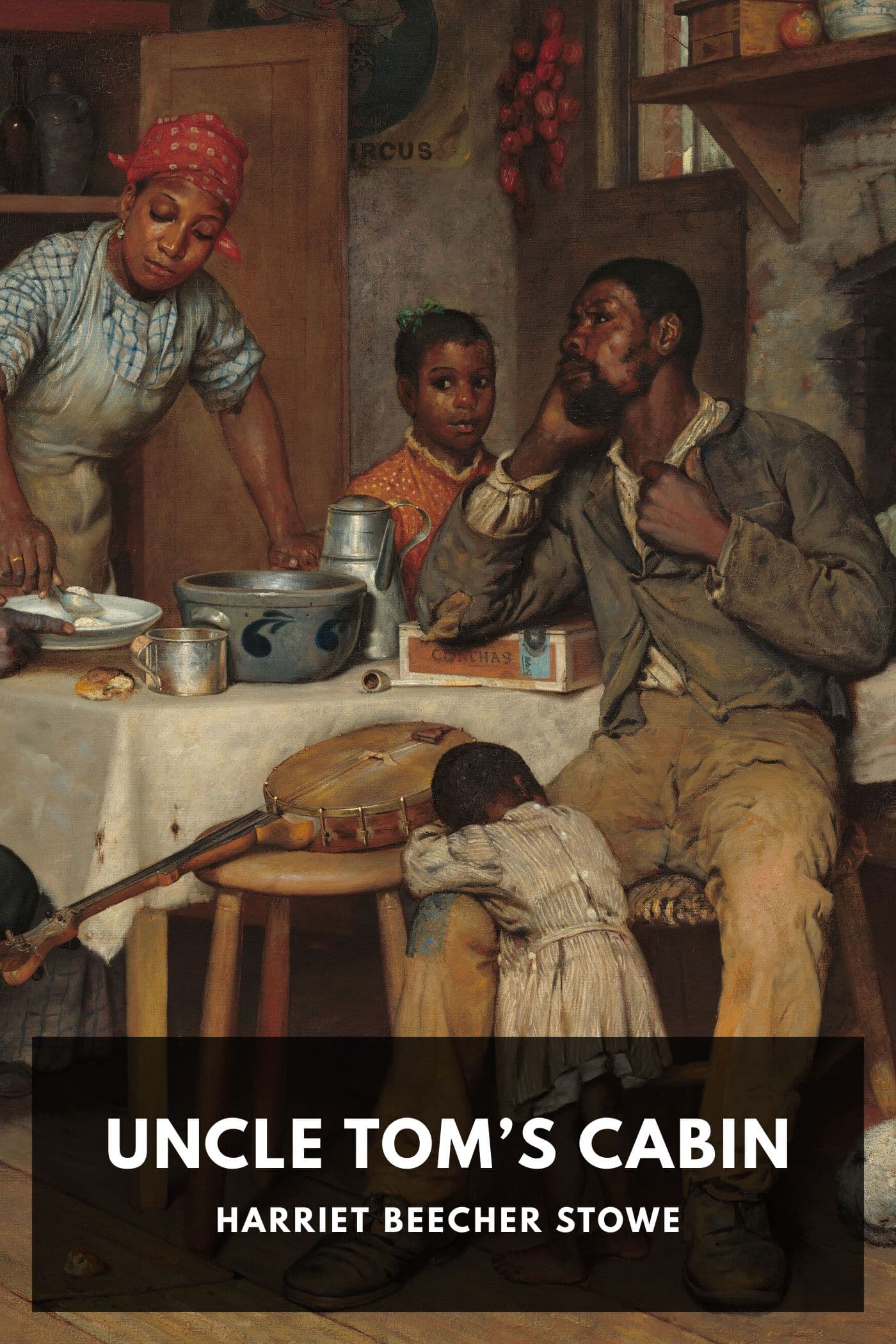
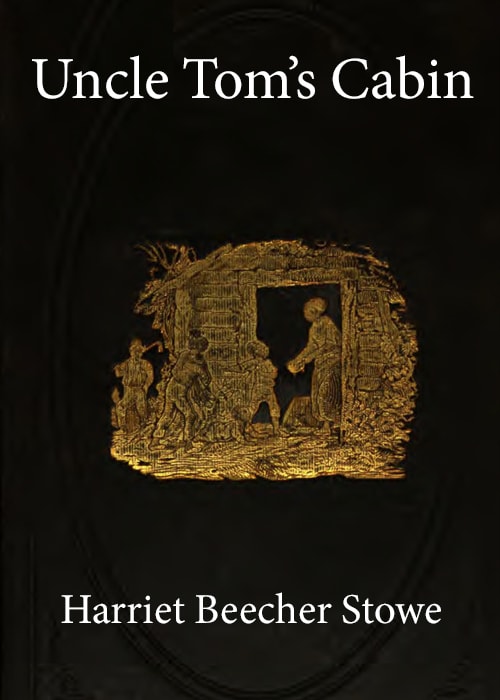
This is the book that Abraham Lincoln credited with starting the Civil War. Written in 1852 by Harriet Beecher Stowe, it detonated in American consciousness like few novels ever have. The story follows Uncle Tom, a dignified and deeply faithful enslaved man owned by the decent Mr. Shelby in Kentucky. When debt forces Shelby to sell Tom downriver, Tom is thrust into the brutal world of the Deep South, while nearby, the enslaved mother Eliza makes a desperate midnight escape with her son Harry, fleeing toward freedom. Their parallel journeys through violence, loss, and unwavering faith became the most powerful argument against slavery ever put into fiction. Stowe's genius lies in making readers see enslaved people as fully human, as mothers and fathers with children they loved, as Christians whose faith mocked the hypocrisy of a nation that preached liberty while chaining men. This Young Folks' Edition preserves that moral urgency while remaining accessible to younger readers. It remains essential: not as comfortable history, but as proof that words can change the world.
Editions
X-Ray
“The longest way must have its close - the gloomiest night will wear on to a morning.””
— Harriet Beecher Stowe
“Soon after the completion of his college course, his whole nature was kindled into one intense and passionate effervescence of romantic passion. His hour came,”
— Harriet Beecher Stowe
“...the heart has no tears to give,--it drops only blood, bleeding itself away in silence.””
— Harriet Beecher Stowe
“Of course, in a novel, people’s hearts break, and they die, and that is the end of it; and in a story this is very convenient. But in real life we do not die when all that makes life bright dies to us. There is a most busy and important round of eating, drinking, dressing, walking, visiting, buying, selling, talking, reading, and all that makes up what is commonly called living, yet to be gone through…””
— Harriet Beecher Stowe
“There are in this world blessed souls, whose sorrows all spring up into joys for others; whose earthly hopes, laid in the grave with many tears, are the seed from which spring healing flowers and balm for the desolate and the distressed.””
— Harriet Beecher Stowe
“Any mind that is capable of a real sorrow is capable of good.””
— Harriet Beecher Stowe
“Perhaps it is impossible for a person who does no good not to do harm.””
— Harriet Beecher Stowe
“For how imperiously, how coolly, in disregard of all one’s feelings, does the hard, cold, uninteresting course of daily realities move on! Still we must eat, and drink, and sleep, and wake again, - still bargain, buy, sell, ask and answer questions, - pursue, in short, a thousand shadows, though all interest in them be over; the cold, mechanical habit of living remaining, after all vital interest in it has fled.””
— Harriet Beecher Stowe
“Treat 'em like dogs, and you'll have dogs' works and dogs' actions. Treat 'em like men, and you'll have men's works.””
— Harriet Beecher Stowe
Link to this book
Add a free, dofollow link to Lex on your blog, forum, syllabus, or reading list.

<a href="https://lex-books.com/book/uncle-tom-s-cabin-young-folks-edition-47215a4c-eaf8-4d46-a61b-f1086184c5bd"><img src="https://lex-books.com/badges/read-on-lex.svg" alt="Read Uncle Tom's Cabin, Young Folks' Edition by Harriet Beecher Stowe free on Lex" width="160" height="40"></a>[](https://lex-books.com/book/uncle-tom-s-cabin-young-folks-edition-47215a4c-eaf8-4d46-a61b-f1086184c5bd)[url=https://lex-books.com/book/uncle-tom-s-cabin-young-folks-edition-47215a4c-eaf8-4d46-a61b-f1086184c5bd][img]https://lex-books.com/badges/read-on-lex.svg[/img][/url]Read Uncle Tom's Cabin, Young Folks' Edition by Harriet Beecher Stowe free on Lex: https://lex-books.com/book/uncle-tom-s-cabin-young-folks-edition-47215a4c-eaf8-4d46-a61b-f1086184c5bdCite this book
Reading this edition for a paper or guide? Copy a citation.
Stowe, Harriet Beecher. Uncle Tom's Cabin, Young Folks' Edition. Lex, lex-books.com/book/uncle-tom-s-cabin-young-folks-edition-47215a4c-eaf8-4d46-a61b-f1086184c5bd.Stowe, H. B. (1852). Uncle Tom's Cabin, Young Folks' Edition. Lex. https://lex-books.com/book/uncle-tom-s-cabin-young-folks-edition-47215a4c-eaf8-4d46-a61b-f1086184c5bdStowe, Harriet Beecher. Uncle Tom's Cabin, Young Folks' Edition. Lex. https://lex-books.com/book/uncle-tom-s-cabin-young-folks-edition-47215a4c-eaf8-4d46-a61b-f1086184c5bd.