Uncle Tom’s Cabin
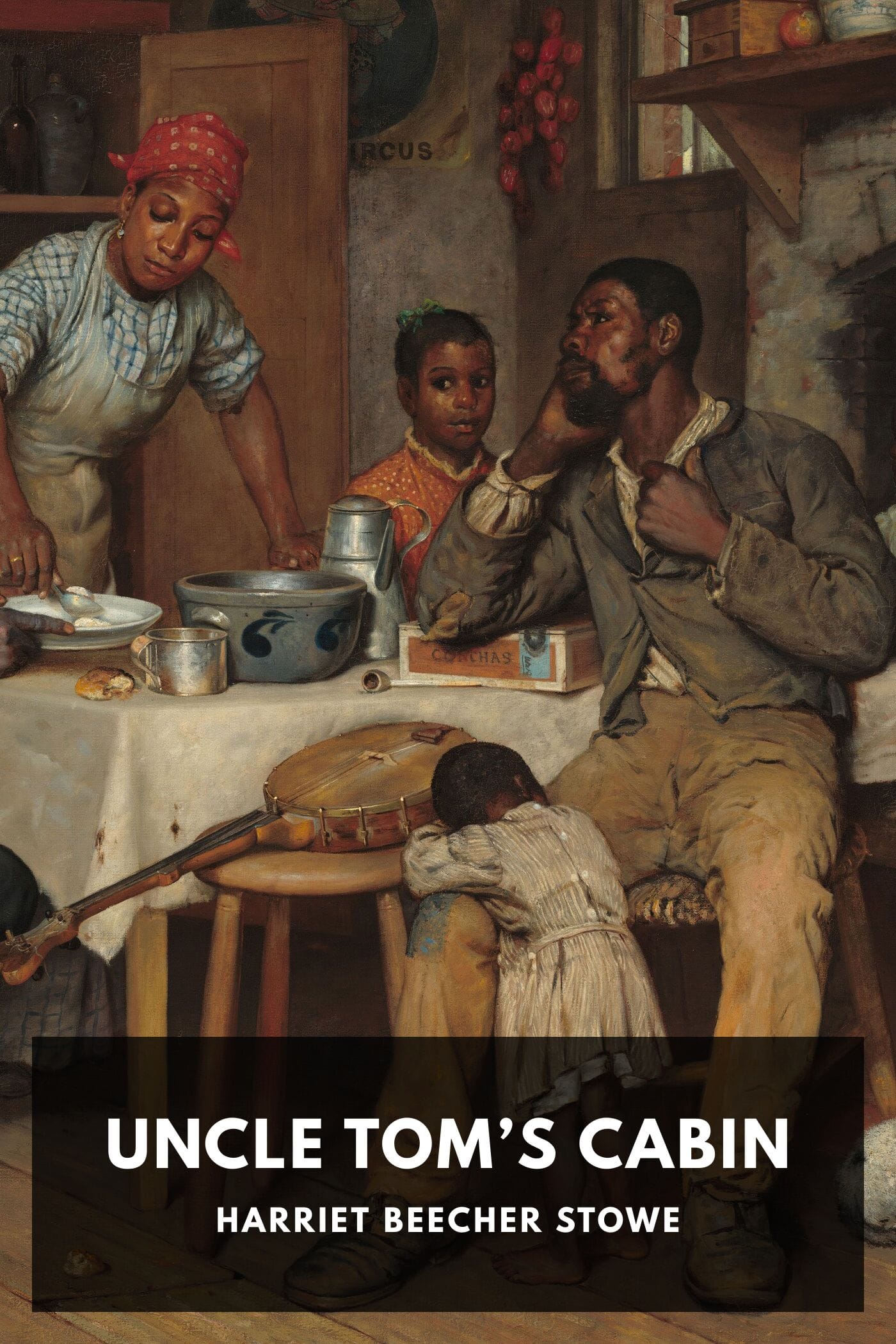
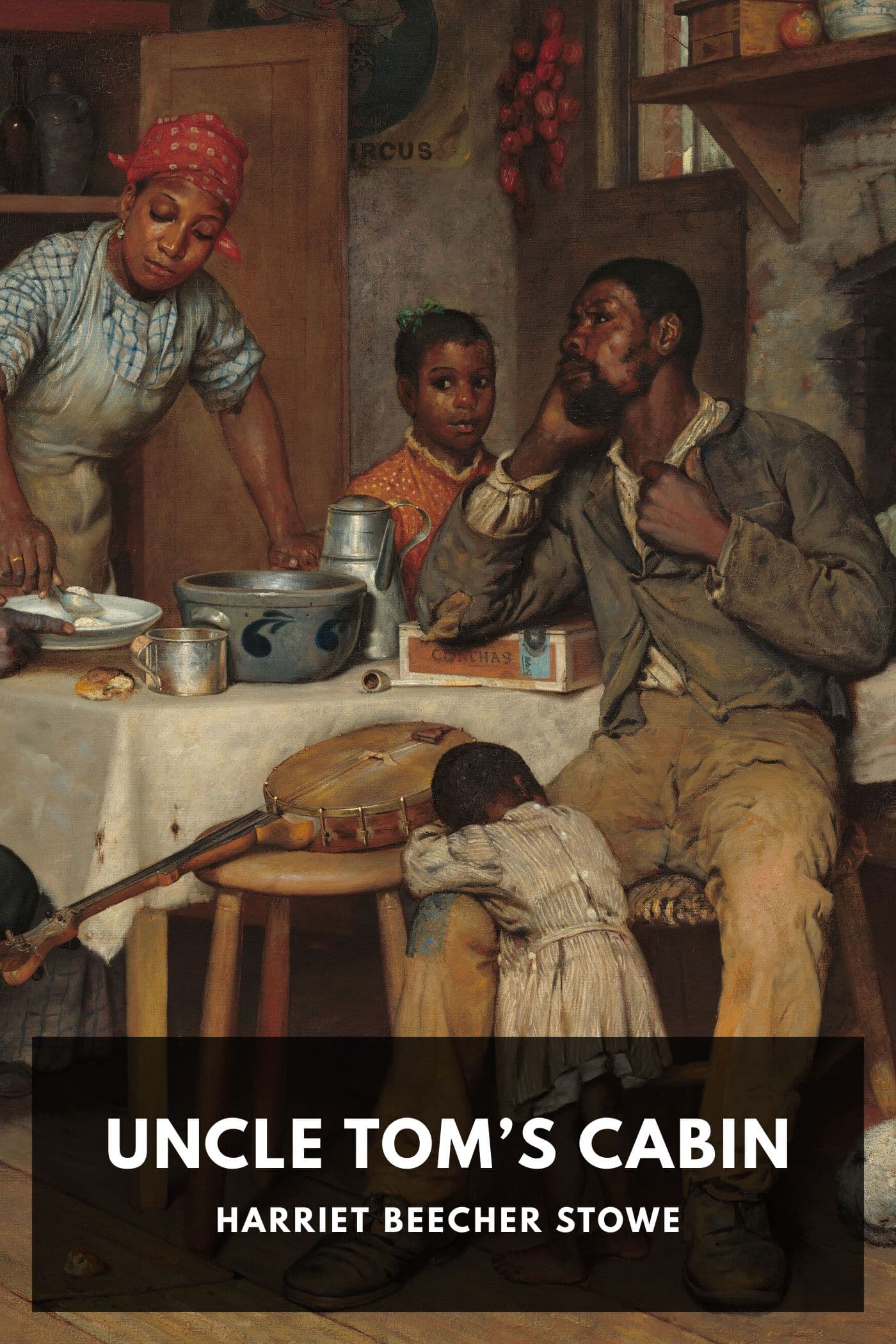
Harriet Beecher Stowe's incendiary novel plunges into the moral abyss of American slavery through the intertwined fates of two enslaved people. When financial ruin forces Kentucky planter Arthur Shelby to sell, the devout Uncle Tom chooses a path of resigned faith, sold downriver into increasingly brutal conditions. Meanwhile, young Eliza, desperate to keep her son Harry from the auction block, makes a harrowing, dramatic escape north with her husband George, pursued relentlessly by slave catchers across the frozen Ohio River. Stowe masterfully crafts a sprawling narrative that exposes the systemic cruelty of the peculiar institution, from the relatively 'benevolent' plantations of the upper South to the hellish sugar fields of Louisiana, portraying a spectrum of human experience under the yoke of bondage. More than a mere story, *Uncle Tom's Cabin* was a seismic event upon its 1852 publication, galvanizing abolitionist sentiment and forever altering the American conscience. While its didacticism and reliance on racial stereotypes have drawn significant criticism over time, its power as a piece of protest literature remains undeniable. This is a book that didn't just reflect its era; it actively shaped it, fueling the very fires that led to the Civil War and laying foundational groundwork for future movements of social justice. To read it today is to confront a pivotal, often uncomfortable, moment in American literary and political history.
Editions

Link to this book
Add a free, dofollow link to Lex on your blog, forum, syllabus, or reading list.

<a href="https://lex-books.com/book/uncle-tom-s-cabin-d244bee3-55c9-43f6-b1b3-f94347954316"><img src="https://lex-books.com/badges/read-on-lex.svg" alt="Read Uncle Tom’s Cabin by Harriet Beecher Stowe free on Lex" width="160" height="40"></a>[](https://lex-books.com/book/uncle-tom-s-cabin-d244bee3-55c9-43f6-b1b3-f94347954316)[url=https://lex-books.com/book/uncle-tom-s-cabin-d244bee3-55c9-43f6-b1b3-f94347954316][img]https://lex-books.com/badges/read-on-lex.svg[/img][/url]Read Uncle Tom’s Cabin by Harriet Beecher Stowe free on Lex: https://lex-books.com/book/uncle-tom-s-cabin-d244bee3-55c9-43f6-b1b3-f94347954316Cite this book
Reading this edition for a paper or guide? Copy a citation.
Stowe, Harriet Beecher. Uncle Tom’s Cabin. Lex, lex-books.com/book/uncle-tom-s-cabin-d244bee3-55c9-43f6-b1b3-f94347954316.Stowe, H. B. (n.d.). Uncle Tom’s Cabin. Lex. https://lex-books.com/book/uncle-tom-s-cabin-d244bee3-55c9-43f6-b1b3-f94347954316Stowe, Harriet Beecher. Uncle Tom’s Cabin. Lex. https://lex-books.com/book/uncle-tom-s-cabin-d244bee3-55c9-43f6-b1b3-f94347954316.