My Wife and I; Or, Harry Henderson's History
1871
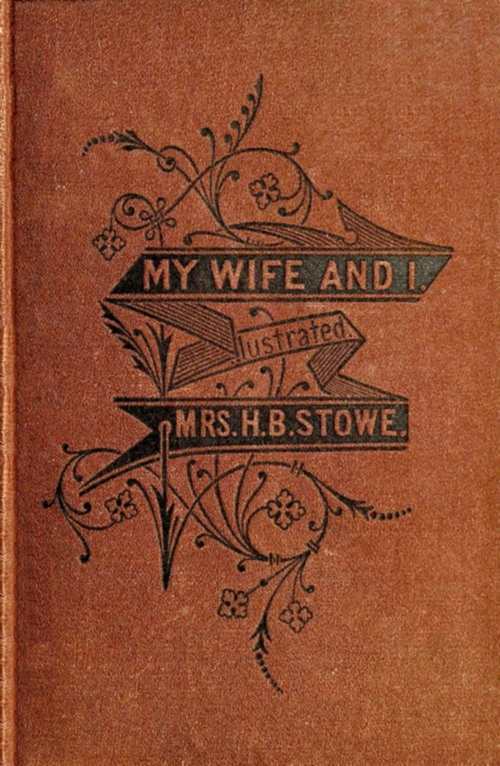
My Wife and I; Or, Harry Henderson's History
1871
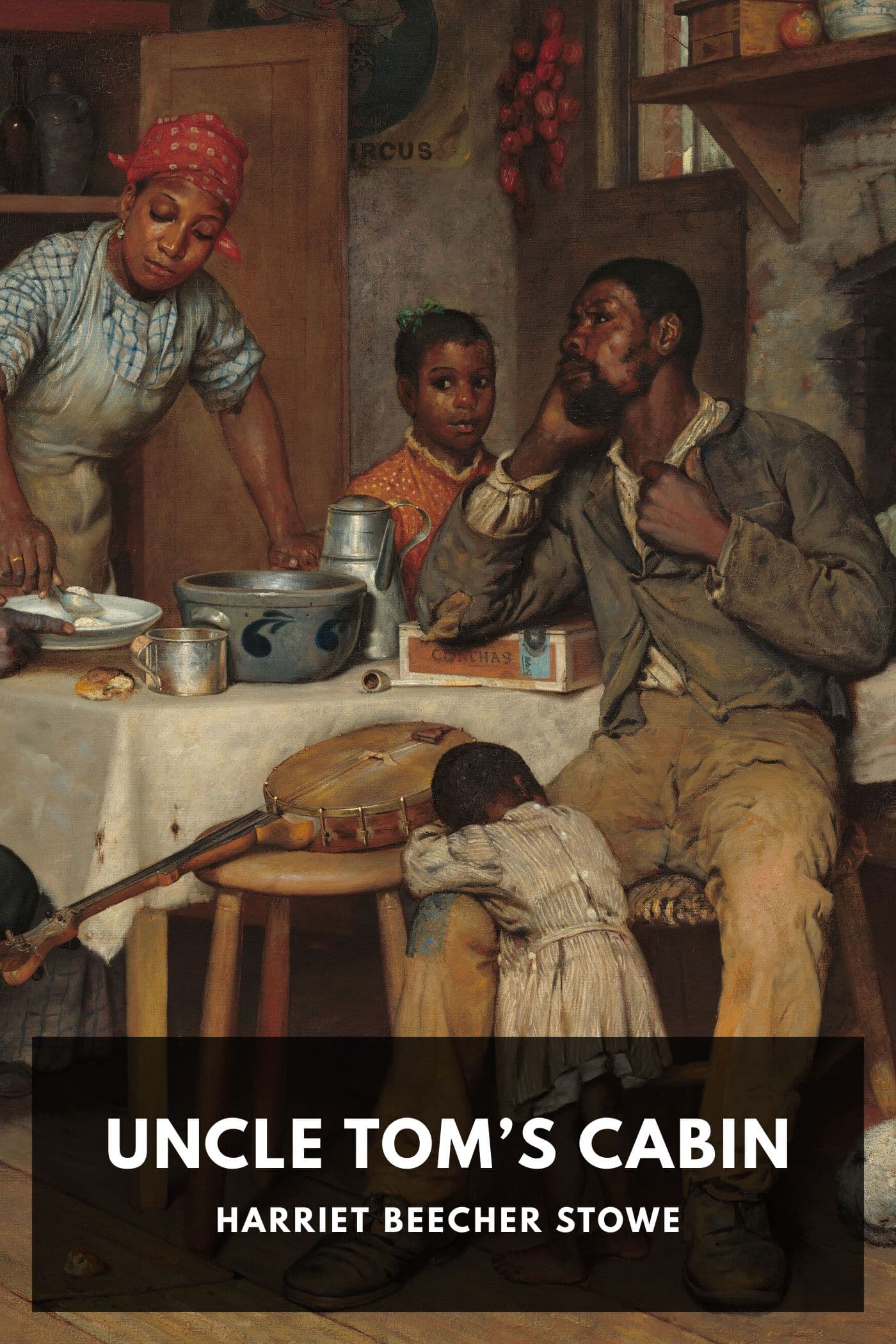
Harriet Beecher Stowe's overlooked novel asks what happens when a boy loses his first wife. Harry Henderson grows up in a sprawling New Hampshire family, surrounded by noise yet deeply alone, until he meets Susie, the girl next door who becomes his 'child-wife,' his companion in every imagined adventure. Theirs is the purest kind of childhood love: secret languages, shared silences, the solemn vows of eight-year-olds who believe forever is a real place. Then Susie dies, and Harry carries that loss like a stone in his chest for the rest of his life. What follows is his attempt to love again, to reconcile the ideal with the real, to understand whether the heart can heal without betraying the dead. Stowe writes with characteristic emotional precision about the way early grief sears itself into the soul, shaping every relationship that follows. This is not Uncle Tom's Cabin, no abolitionist polemic here, but something quieter and perhaps more radical: a Victorian woman's meditation on how we love, how we mourn, and whether one loss can make us more tender or more broken. For readers who treasure sentiment done with skill, and for anyone who has ever wondered what becomes of the people we lose before we lose them.
Editions
Link to this book
Add a free, dofollow link to Lex on your blog, forum, syllabus, or reading list.

<a href="https://lex-books.com/book/my-wife-and-i-or-harry-henderson-s-history-a0de9cea-c0ea-48a6-b90a-e3102cc916a4"><img src="https://lex-books.com/badges/read-on-lex.svg" alt="Read My Wife and I; Or, Harry Henderson's History by Harriet Beecher Stowe free on Lex" width="160" height="40"></a>[](https://lex-books.com/book/my-wife-and-i-or-harry-henderson-s-history-a0de9cea-c0ea-48a6-b90a-e3102cc916a4)[url=https://lex-books.com/book/my-wife-and-i-or-harry-henderson-s-history-a0de9cea-c0ea-48a6-b90a-e3102cc916a4][img]https://lex-books.com/badges/read-on-lex.svg[/img][/url]Read My Wife and I; Or, Harry Henderson's History by Harriet Beecher Stowe free on Lex: https://lex-books.com/book/my-wife-and-i-or-harry-henderson-s-history-a0de9cea-c0ea-48a6-b90a-e3102cc916a4Cite this book
Reading this edition for a paper or guide? Copy a citation.
Stowe, Harriet Beecher. My Wife and I; Or, Harry Henderson's History. Lex, lex-books.com/book/my-wife-and-i-or-harry-henderson-s-history-a0de9cea-c0ea-48a6-b90a-e3102cc916a4.Stowe, H. B. (1871). My Wife and I; Or, Harry Henderson's History. Lex. https://lex-books.com/book/my-wife-and-i-or-harry-henderson-s-history-a0de9cea-c0ea-48a6-b90a-e3102cc916a4Stowe, Harriet Beecher. My Wife and I; Or, Harry Henderson's History. Lex. https://lex-books.com/book/my-wife-and-i-or-harry-henderson-s-history-a0de9cea-c0ea-48a6-b90a-e3102cc916a4.