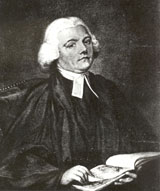
Gilbert White
Gilbert White was a pioneering English naturalist, ecologist, and ornithologist whose work laid the foundation for modern ecological studies. Born in the village of Selborne in Hampshire, he spent much of his life observing and documenting the natural world around him. His most significant contribution, 'The Natural History and Antiquities of Selborne,' published in 1789, is a detailed account of the flora and fauna of his local environment, enriched with personal observations and reflections on nature. This work is notable not only for its scientific rigor but also for its literary style, blending natural history with a narrative that captures the beauty and intricacies of the natural world. White's meticulous observations and writings established him as a key figure in the early development of ecology and ornithology. His approach to studying nature emphasized the interconnectedness of species and their habitats, influencing future generations of naturalists and scientists. His legacy endures in the field of natural history, where he is celebrated for his contributions to the understanding of local ecosystems and the importance of conservation. White's work remains a significant reference point in the study of natural history, marking him as one of the first to advocate for the careful observation of nature as a means of understanding the environment.
Famous Quotes
View all 2 quotes“Floods are an act of God; flood damages result from the acts of men.”
“Black weather, Cucumber fruit swells, Rooks sit. - 11th March, 1768”
Books from the author





Link to this page
Add a free, dofollow link to Lex on your blog, forum, syllabus, or reading list.

<a href="https://lex-books.com/author/gilbert-white"><img src="https://lex-books.com/badges/read-on-lex.svg" alt="Gilbert White on Lex" width="160" height="40"></a>[](https://lex-books.com/author/gilbert-white)[url=https://lex-books.com/author/gilbert-white][img]https://lex-books.com/badges/read-on-lex.svg[/img][/url]Gilbert White on Lex: https://lex-books.com/author/gilbert-white