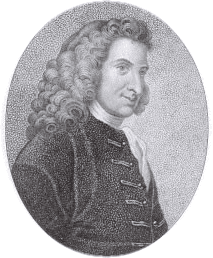
Henry Fielding
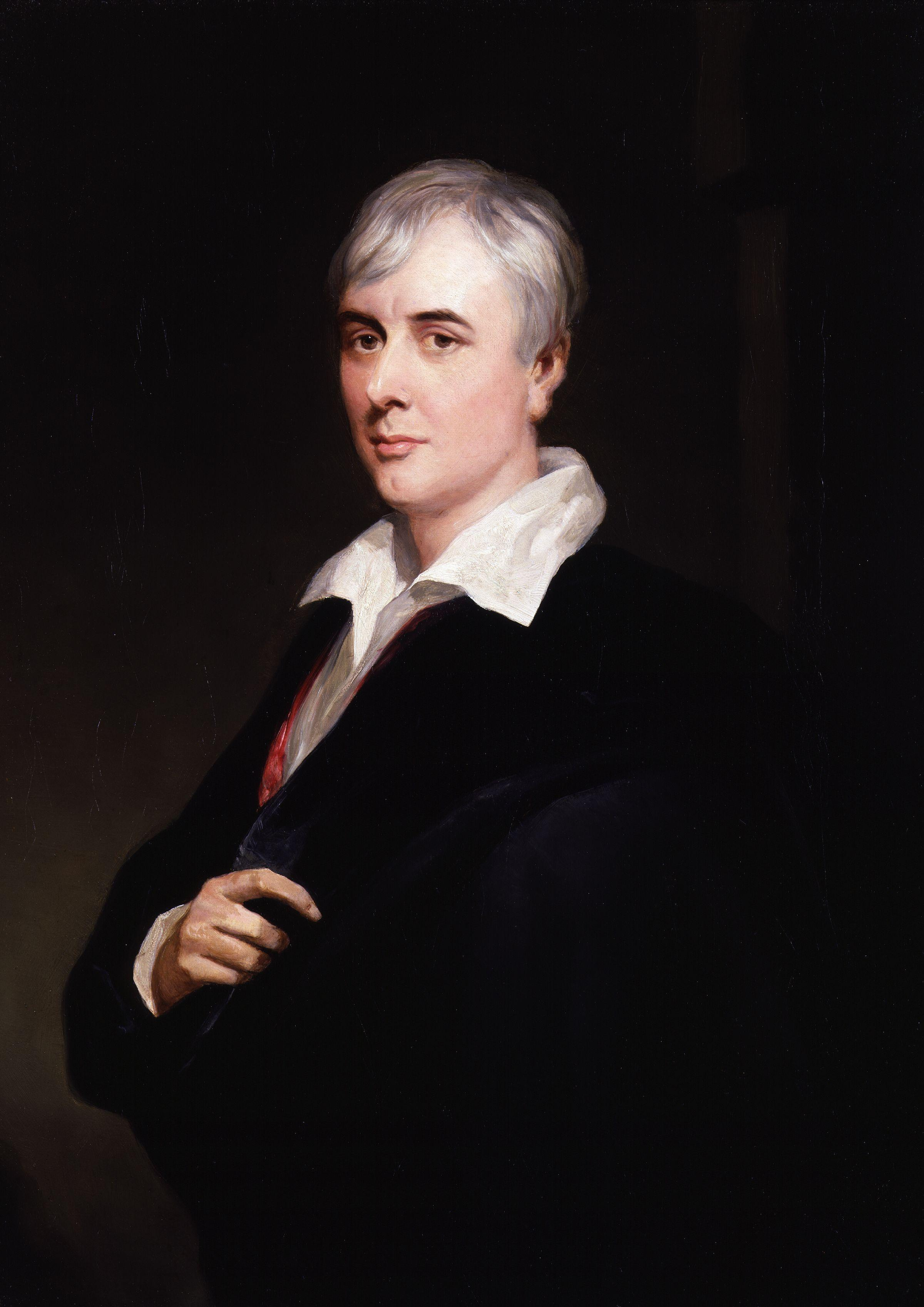
Henry Fielding was an influential English writer and magistrate, celebrated for his contributions to the development of the novel as a literary form. His most notable work, The History of Tom Jones, a Foundling, published in 1749, is recognized as a pioneering comic novel that blends humor and social commentary. Fielding's narrative style, characterized by its wit and satirical edge, helped to establish the conventions of the English novel alongside contemporaries like Samuel Richardson. His storytelling not only entertained but also critiqued the social mores of his time, making him a significant figure in the literary landscape of the 18th century. In addition to his literary achievements, Fielding played a crucial role in the evolution of law enforcement in England. As a magistrate, he founded the Bow Street Runners, which became London's first professional police force, marking a significant step in the organization of law and order. Fielding's dual legacy as a novelist and a legal reformer underscores his impact on both literature and society, solidifying his place as a foundational figure in the history of the English novel and the development of modern policing.
Famous Quotes
View all 15 quotes“I am content; that is a blessing greater than riches; and he to whom that is given need ask no more.””
“It is never too late to give up our prejudices. No way of thinking or doing, however ancient, can be trusted without proof. What everybody echoes or in silence passes by as true to-day may turn out to be falsehood to-morrow, mere smoke of opinion, which some had trusted for a cloud that would sprinkle fertilizing rain on their fields. What old people say you cannot do, you try and find that you can. Old deeds for old people, and new deeds for new.””
“Take long walks in stormy weather or through deep snows in the fields and woods, if you would keep your spirits up. Deal with brute nature. Be cold and hungry and weary.””
Books from the author





Link to this page
Add a free, dofollow link to Lex on your blog, forum, syllabus, or reading list.

<a href="https://lex-books.com/author/henry-fielding"><img src="https://lex-books.com/badges/read-on-lex.svg" alt="Henry Fielding on Lex" width="160" height="40"></a>[](https://lex-books.com/author/henry-fielding)[url=https://lex-books.com/author/henry-fielding][img]https://lex-books.com/badges/read-on-lex.svg[/img][/url]Henry Fielding on Lex: https://lex-books.com/author/henry-fielding