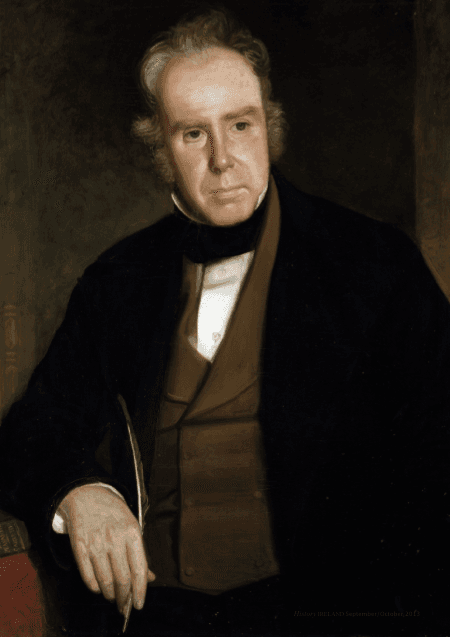
William Carleton
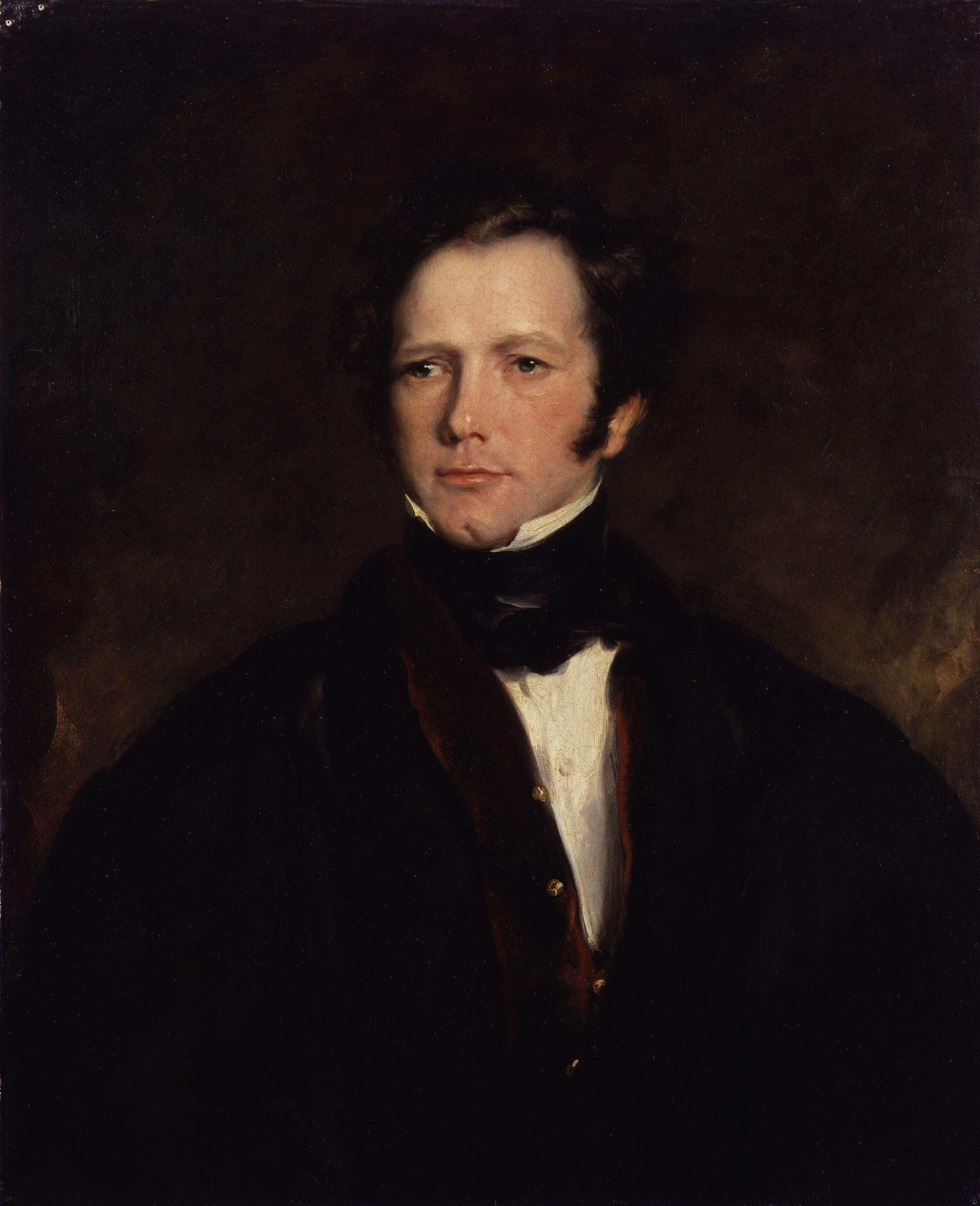
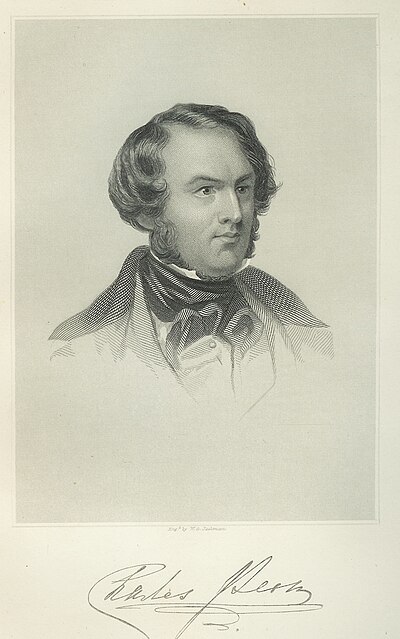
William Carleton was an influential Irish writer and novelist, renowned for his vivid portrayals of rural life and the complexities of the Irish peasantry. Born in County Tyrone, he drew upon his own experiences to craft narratives that captured the essence of Irish culture and identity. His most notable work, "Traits and Stories of the Irish Peasantry," published in the 1830s, consists of a series of sketches that illuminate the lives, struggles, and resilience of ordinary Irish people. Through these stories, Carleton not only entertained but also provided a critical commentary on the social conditions of his time, challenging stereotypes and offering a more nuanced understanding of Irish life. Carleton's literary significance lies in his ability to blend realism with a deep empathy for his characters, making him a precursor to later Irish writers who explored similar themes. His works contributed to the development of the Irish literary tradition, influencing subsequent generations of authors. Despite facing criticism for his portrayal of the Irish, Carleton's legacy endures as a vital voice in the canon of Irish literature, celebrated for his authentic representation of the peasant experience and his role in shaping the narrative of Irish identity in the 19th century.
Famous Quotes
View all 1 quotes“...nothing brings down pride, or softens the heart, like feeling what it is to want.”
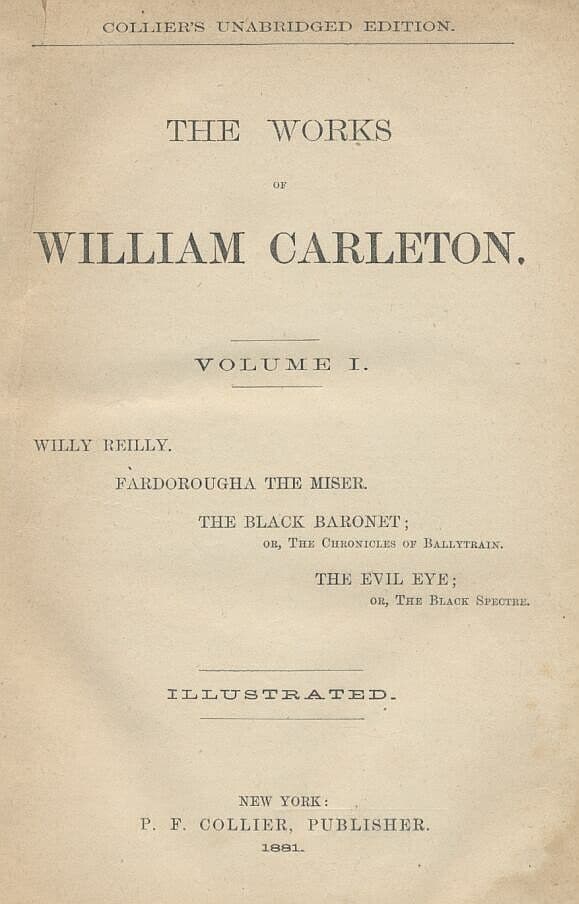
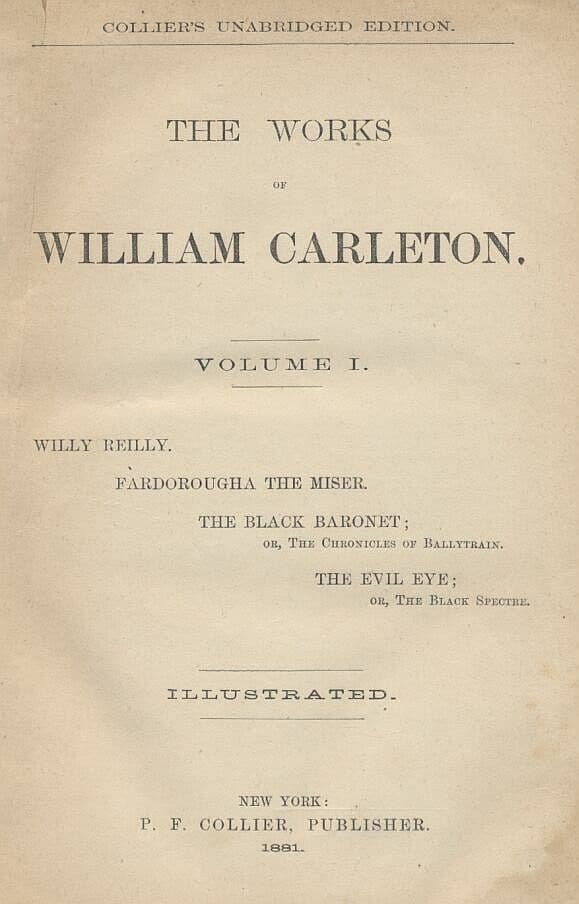
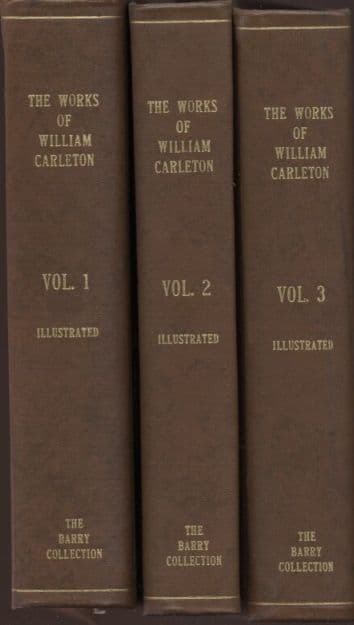
Books from the author


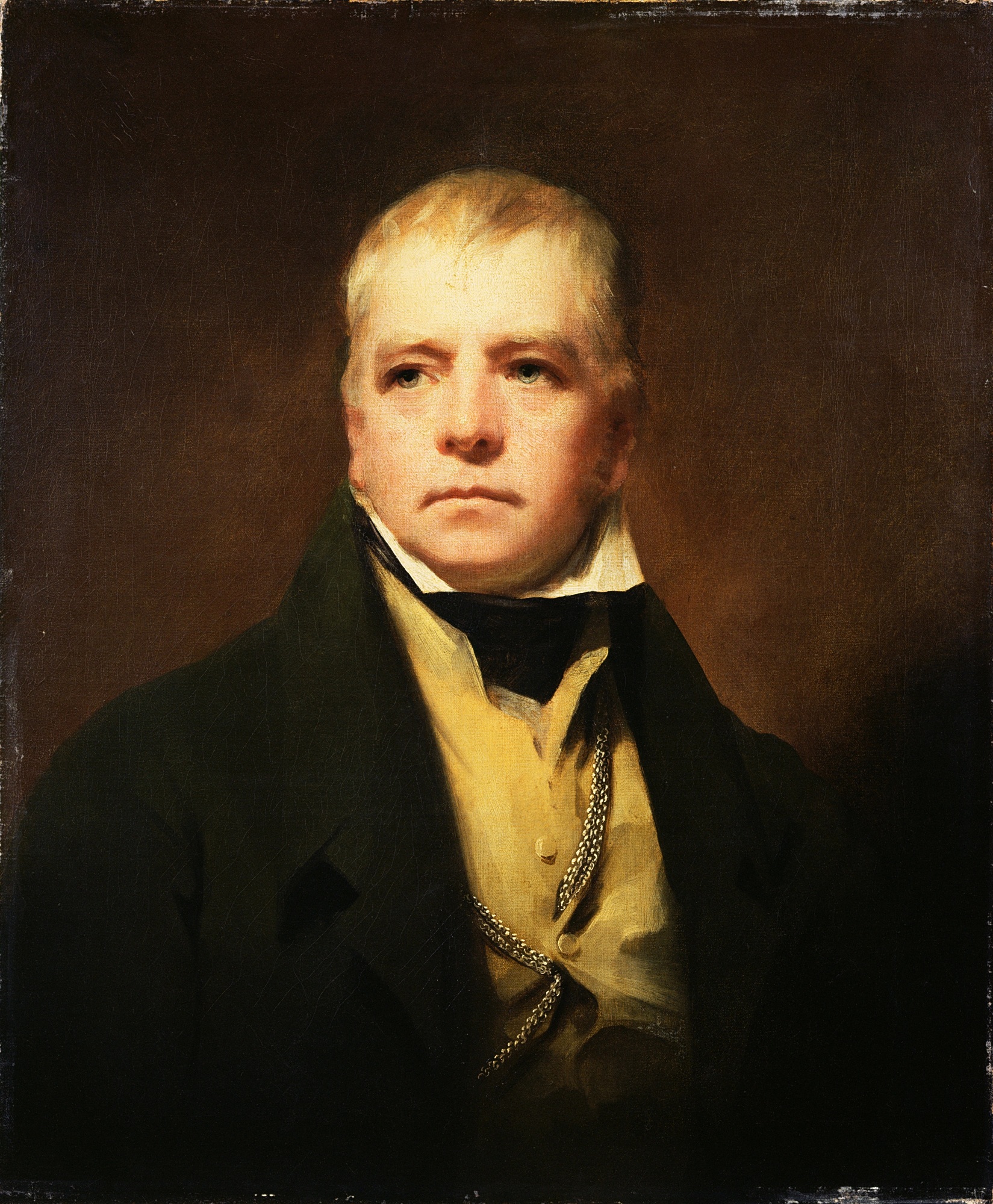
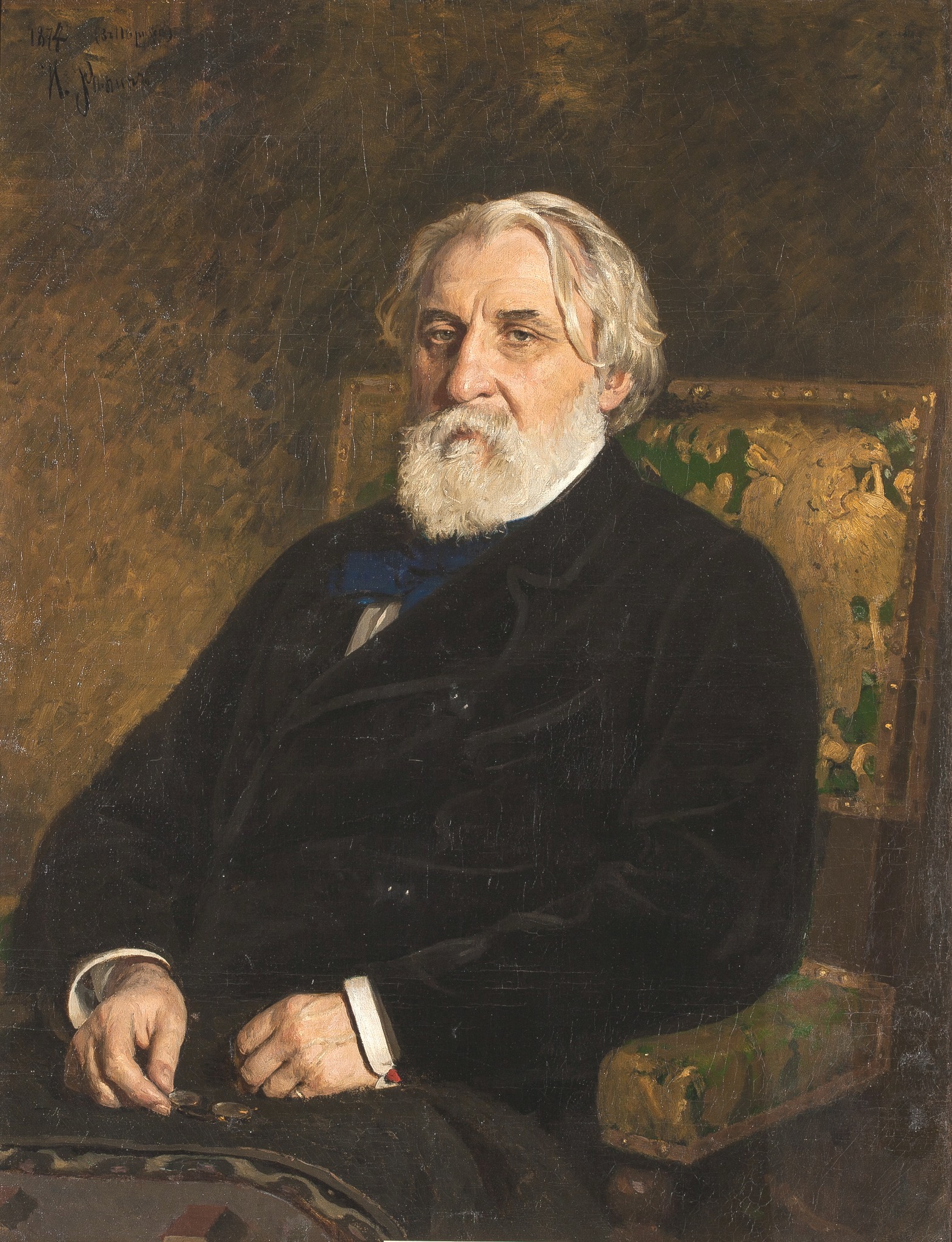
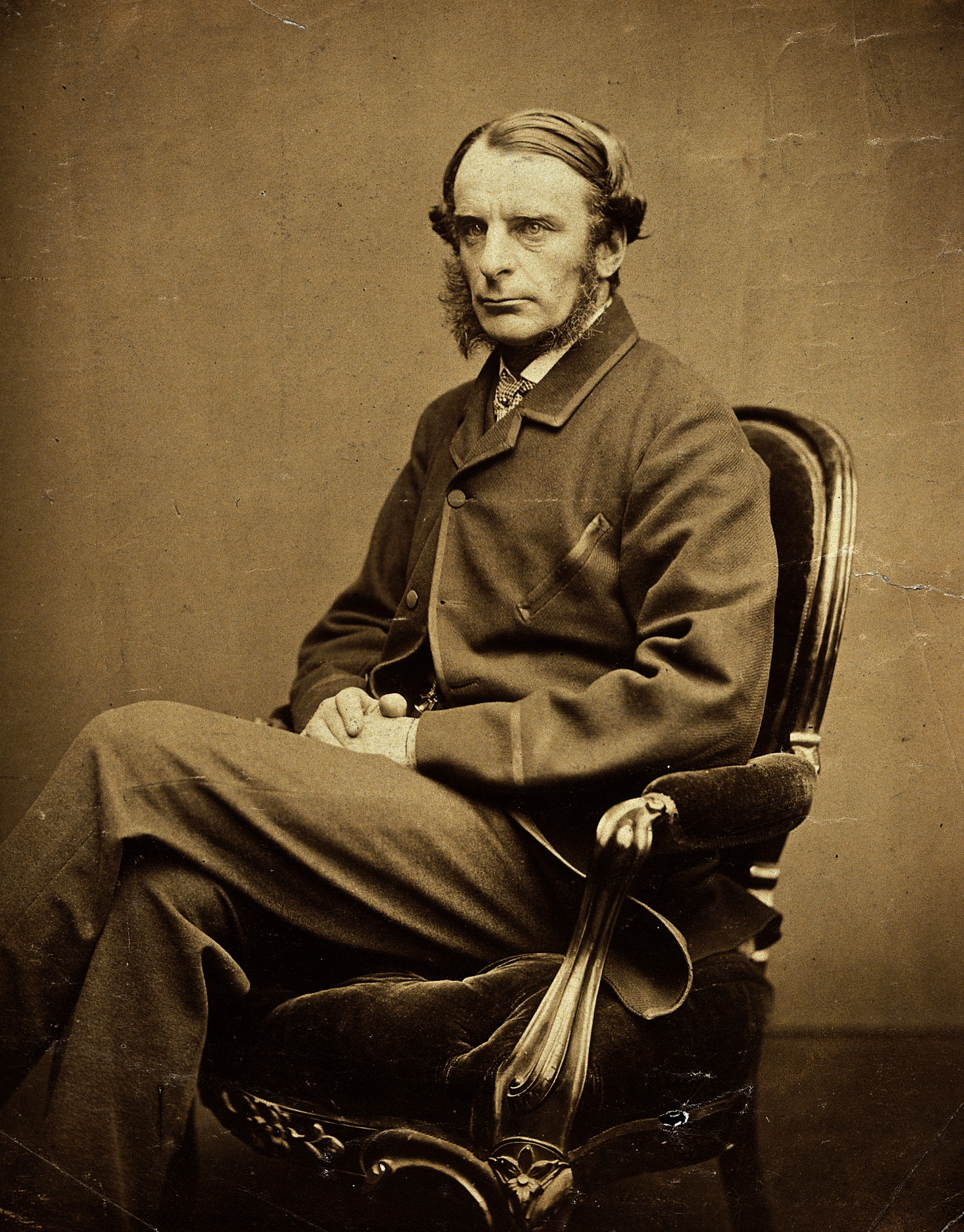
Link to this page
Add a free, dofollow link to Lex on your blog, forum, syllabus, or reading list.

<a href="https://lex-books.com/author/william-carleton"><img src="https://lex-books.com/badges/read-on-lex.svg" alt="William Carleton on Lex" width="160" height="40"></a>[](https://lex-books.com/author/william-carleton)[url=https://lex-books.com/author/william-carleton][img]https://lex-books.com/badges/read-on-lex.svg[/img][/url]William Carleton on Lex: https://lex-books.com/author/william-carleton