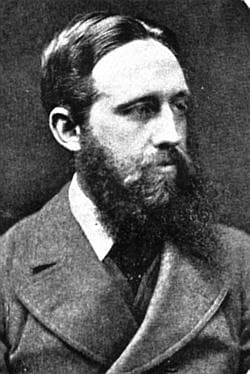
Richard Jefferies
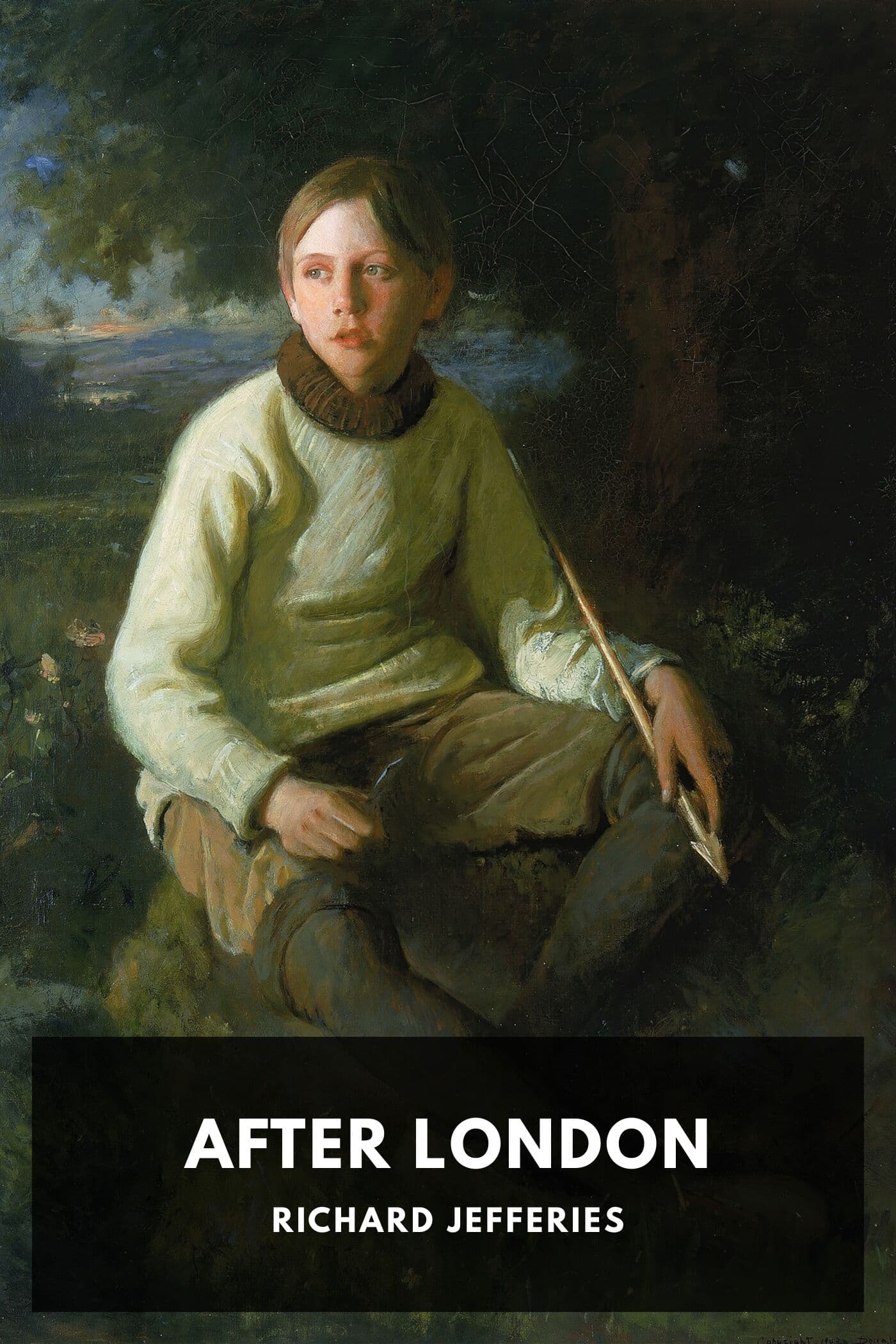
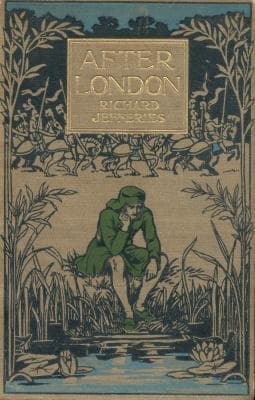
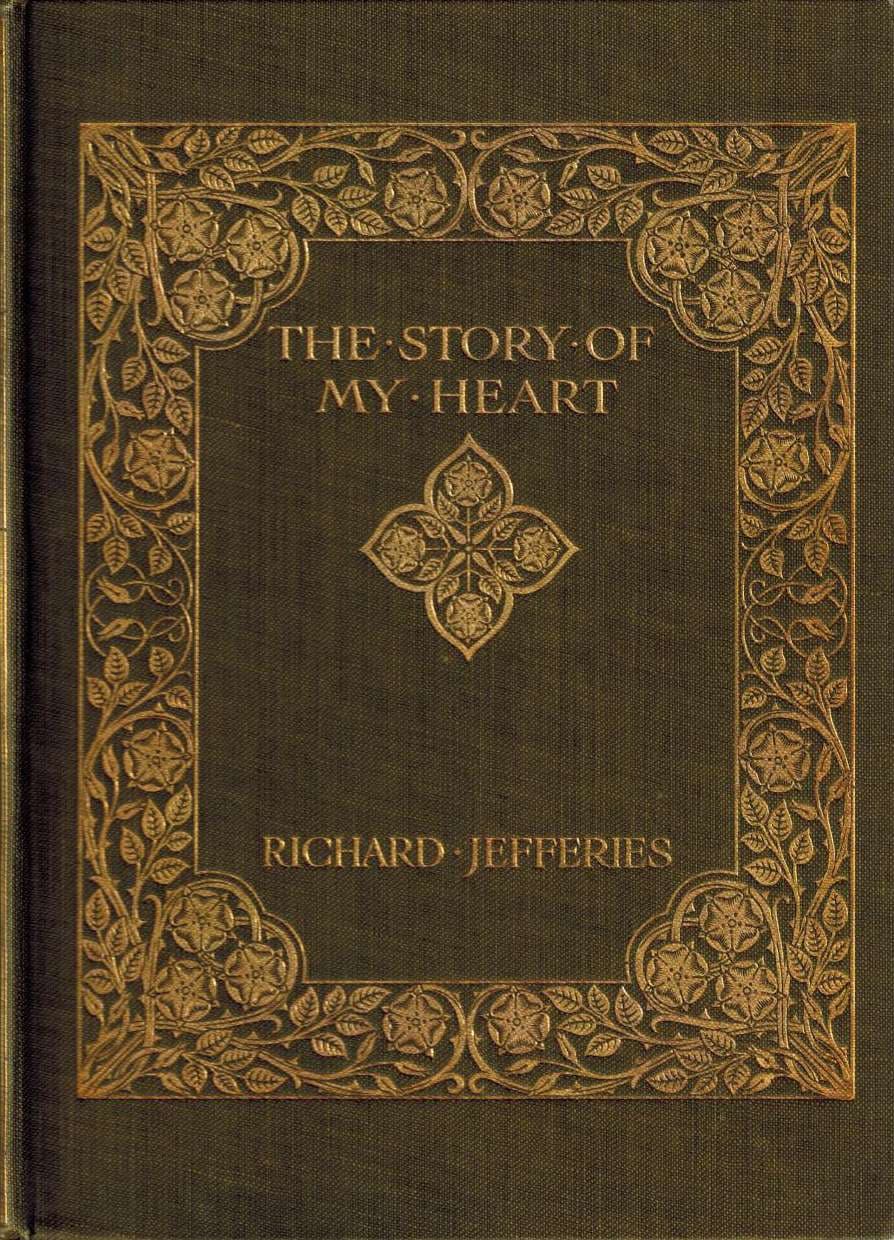
John Richard Jefferies was an English nature writer whose vivid depictions of rural life and the natural world left a lasting impact on literature. Growing up on a small farm in Wiltshire, his early experiences deeply influenced his writing, imbuing it with a rich sense of place and a profound appreciation for nature. His notable works include 'Bevis' (1882), a beloved children's book, and 'After London' (1885), an early foray into science fiction that explored themes of environmental change and societal collapse. Jefferies's essays, such as 'The Amateur Poacher' (1879) and 'Round About a Great Estate' (1880), further showcased his keen observations and reflections on rural life, earning him recognition as a master of nature writing. Despite his literary success, Jefferies faced significant personal challenges, including a long battle with tuberculosis and financial difficulties, which informed much of his introspective work. His 1883 publication, 'The Story of My Heart,' revealed his inner thoughts and feelings, establishing him as a nature mystic. Jefferies's ability to convey the interconnectedness of humans and the natural world resonated with readers and influenced future generations of writers, solidifying his legacy as a pioneer in nature literature and a significant figure in the exploration of human experience in relation to the environment.
Famous Quotes
View all 3 quotes“It is eternity now. I am in the midst of it. It is about me in the sunshine; I am in it as the butterfly in the light-laden air. Nothing has to come; it is now. Now is eternity; now is the immortal life.”
“The soul throbs like the sea for a larger life. No thought which I have ever had has satisfied my soul.”
“Let us get of these indoor narrow modern days, whose twelve hours somehow have become shortened, into the sunlight and the pure wind. A something that the ancients thought divine can be found and felt there still.”
Books from the author




Link to this page
Add a free, dofollow link to Lex on your blog, forum, syllabus, or reading list.

<a href="https://lex-books.com/author/richard-jefferies"><img src="https://lex-books.com/badges/read-on-lex.svg" alt="Richard Jefferies on Lex" width="160" height="40"></a>[](https://lex-books.com/author/richard-jefferies)[url=https://lex-books.com/author/richard-jefferies][img]https://lex-books.com/badges/read-on-lex.svg[/img][/url]Richard Jefferies on Lex: https://lex-books.com/author/richard-jefferies