
George Washington Clark
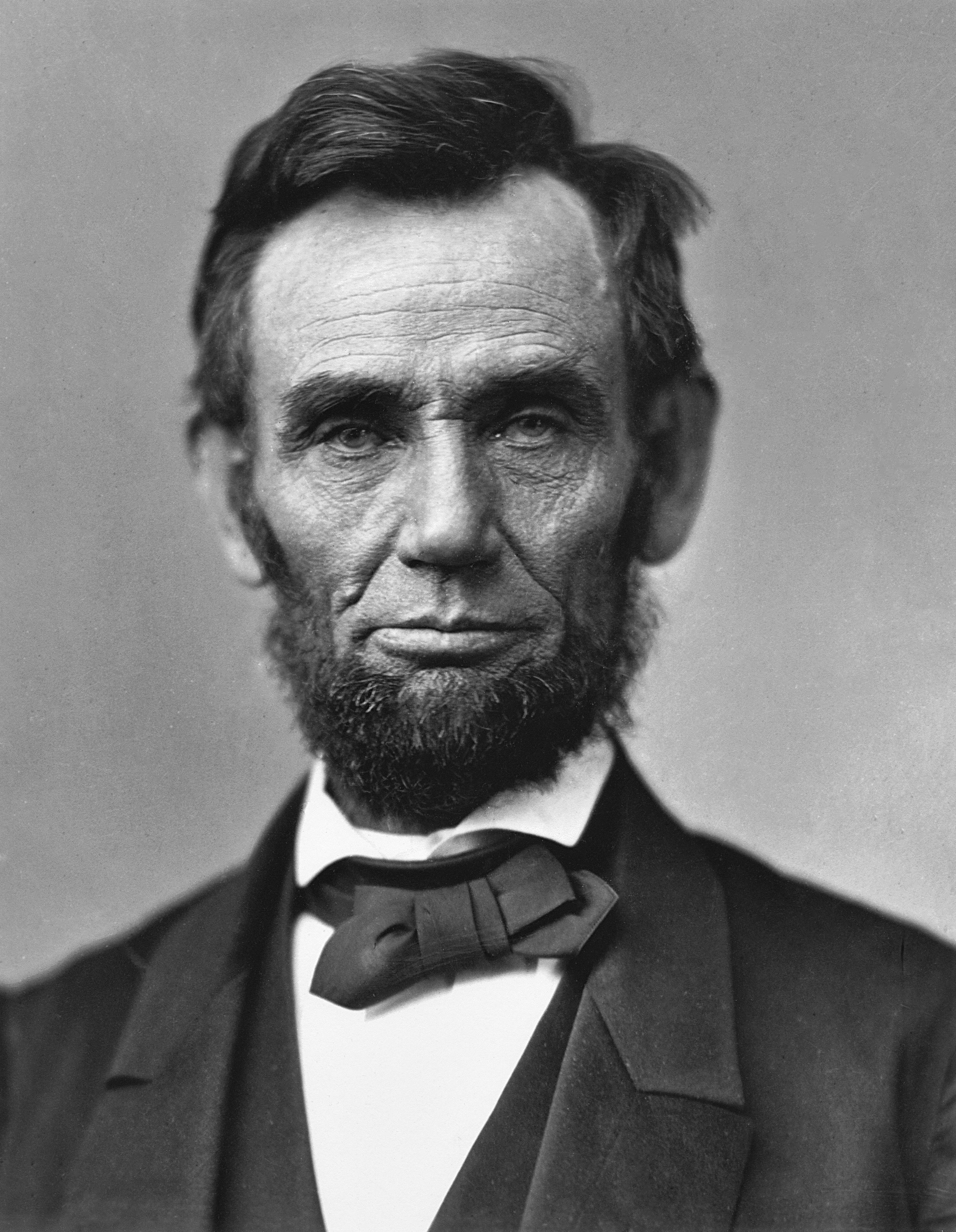
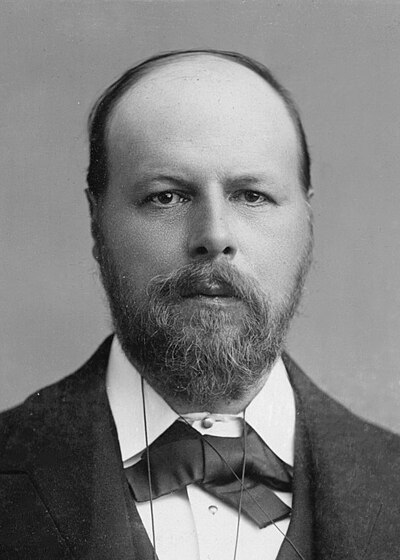
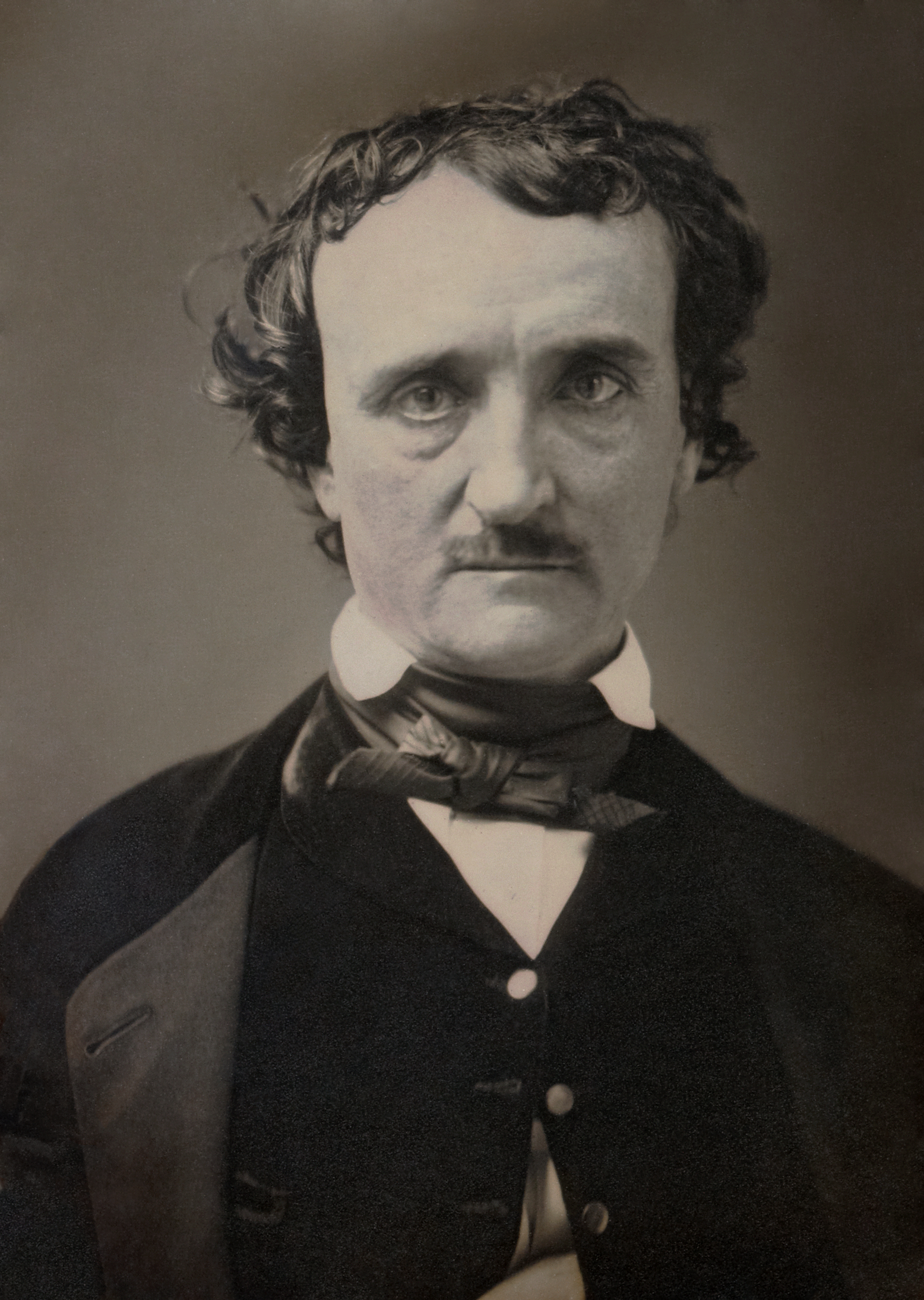
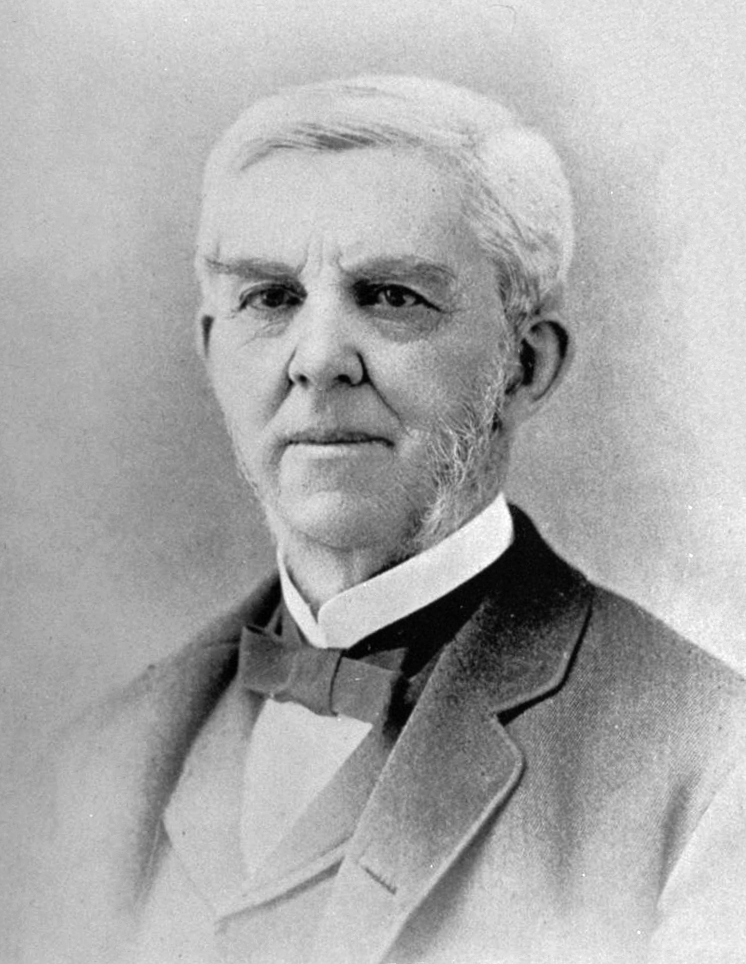
George Washington Clark was a prominent figure in American history, known for his roles as a military officer and politician. Born in Indiana, he rose to prominence during the American Civil War, where he served as a colonel in the 34th Iowa Infantry Regiment. Clark demonstrated notable leadership during significant military engagements, including the Vicksburg Campaign and the Battle of Mobile Bay, where he commanded a brigade at the siege of Fort Morgan. His military service contributed to the Union's efforts in the war, showcasing his commitment to the cause and his tactical abilities in the field. After the war, Clark transitioned into politics, becoming the forty-first mayor of Charleston, South Carolina, in 1868. His tenure, although brief, was marked by the challenges of Reconstruction and the complexities of post-war governance. Despite losing his re-election bid to Gilbert Pillsbury, Clark's contributions to both military and civic life left a lasting impact on the communities he served. He passed away in Washington, D.C., and was laid to rest at Arlington National Cemetery, a testament to his service and legacy in American history.
Famous Quotes
View all 4 quotes“Get what you get honestly. Use what you get frugally. That’s the way to live comfortably And die honorably.””
“Religion is a byproduct of fear. For much of human history, it may have been a necessary evil, but why was it more evil than necessary? Isn't killing people in the name of God a pretty good definition of insanity? Arthur C. Clarke, author””
“Grandpapa doesn't want to lose Nelly," Eliza said."Grandpapa is only aware of the trail of belongings Nelly has lost on this trip and thinks she had better wait before she loses her heart, too," he retorted.””
Books from the author

Link to this page
Add a free, dofollow link to Lex on your blog, forum, syllabus, or reading list.

<a href="https://lex-books.com/author/george-washington-clark"><img src="https://lex-books.com/badges/read-on-lex.svg" alt="George Washington Clark on Lex" width="160" height="40"></a>[](https://lex-books.com/author/george-washington-clark)[url=https://lex-books.com/author/george-washington-clark][img]https://lex-books.com/badges/read-on-lex.svg[/img][/url]George Washington Clark on Lex: https://lex-books.com/author/george-washington-clark