The Works of Lord Byron: Letters and Journals. Vol. 2
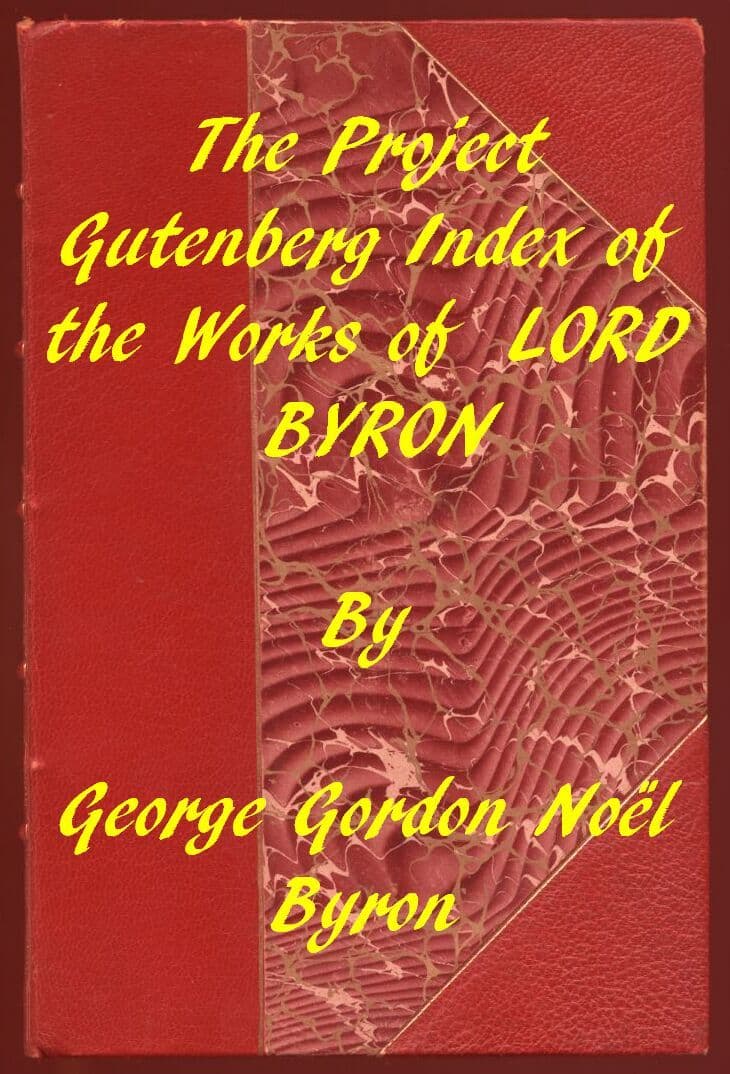
The Works of Lord Byron: Letters and Journals. Vol. 2
George Gordon Byron, Baron Byron
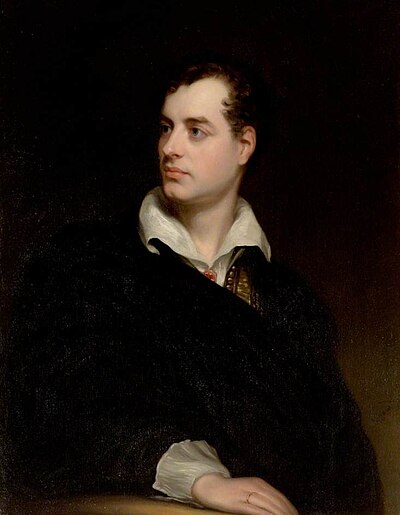
This volume captures Lord Byron at the precise moment he transformed from aristocratic dilettante into the most famous poet in Europe. The letters and journals spanning 1811 to 1814 document the eruption of fame following Childe Harold's Pilgrimage, and with it, the burdens of being the man who invented the Byronic hero. Here we find Byron processing his mother's death, escaping to Italy and Greece, falling into doomed affairs, and wrestling with the monster of his own notoriety. The correspondence crackles with his characteristic wit and vanity, yes, but also something rawer: genuine anguish about creativity, mortality, and whether the self he performs matches the self that exists. He writes to friends about business tedium and philosophical despair in the same breath. He obsesses over reviews. He falls desperately in love. He makes plans for poems he hasn't written yet. For anyone curious about the real man behind the legend, these pages offer an uncensored window into a brilliant, contradictory, endlessly fascinating mind.
Editions
X-Ray
“She was like me in lineaments-- her eyesHer hair, her features, all, to the very toneEven of her voice, they said were like to mine;But soften'd all, and temper'd into beauty;She had the same lone thoughts and wanderings,The quest of hidden knowledge, and a mindTo comprehend the universe: nor theseAlone, but with them gentler powers than mine,Pity, and smiles, and tears-- which I had not;And tenderness-- but that I had for her; Humility-- and that I never had. Her faults were mine-- her virtues were her own--I loved her, and destroy'd her!””
— George Gordon Byron, Baron Byron
“The day drags through though storms keep out the sun;And thus the heart will break, yet brokenly live on:Even as a broken mirror, which the glassIn every fragment multiplies; and makesA thousand images of one that was,The same, and still the more, the more it breaks;And thus the heart will do which not forsakes,Living in shattered guise, and still, and cold, And bloodless, with its sleepless sorrow aches,Yet withers on till all without is old,Showing no visible sign, for such things are untold.””
— George Gordon Byron, Baron Byron
“When we two partedIn silence and tears,Half broken-heartedTo sever for years,Pale grew thy cheek and cold,Colder thy kiss;Truly that hour foretoldSorrow to this.The dew of the morningSunk chill on my brow”
— George Gordon Byron, Baron Byron
“So, we'll go no more a-rovingSo late into the night,Though the heart still be as loving,And the moon still be as bright.For the sword outwears its sheath,And the soul wears out the breast,And the heart must pause to breathe,And love itself have rest.Though the night was made for loving,And the day returns too soon,Yet we'll go no more a-rovingBy the light of the moon.””
— George Gordon Byron, Baron Byron
“They say that Hope is happinessBut genuine Love must prize the past;And Mem'ry wakes the thoughts that bless:They rose first -- they set the last.And all that mem'ry loves the mostWas once our only hope to be:And all that hope adored and lostHath melted into memory.Alas! It is delusion all--The future cheats us from afar:Nor can we be what we recall,Nor dare we think on what we are.””
— George Gordon Byron, Baron Byron
“Despair and Genius are too oft connected””
— George Gordon Byron, Baron Byron
“But first on earth as vampire sentThy corpse shall from its tomb be rentThen gastly haunt thy native placeAnd suck the blood of all thy race””
— George Gordon Byron, Baron Byron
“She walks in beauty, like the night Of cloudless climes and starry skies;And all that's best of dark and bright Meet in her aspect and her eyes:Thus mellowed to that tender light Which heaven to gaudy day denies.One shade the more, one ray the less, Had half impaired the nameless graceWhich waves in every raven tress, Or softly lightens o'er her face;Where thoughts serenely sweet express How pure, how dear their dwelling place.And on that cheek, and o'er that brow, So soft, so calm, yet eloquent,The smiles that win, the tints that glow, But tell of days in goodness spent,A mind at peace with all below, A heart whose love is innocent!””
— George Gordon Byron, Baron Byron
“Dark-heaving; boundless, endless, and sublime,The image of Eternity, -- the throneOf the Invisible! even from out thy slimeThe monsters of the deep are made; each zoneObeys thee; thou goest forth, dread, fathomless, alone.””
— George Gordon Byron, Baron Byron
Link to this book
Add a free, dofollow link to Lex on your blog, forum, syllabus, or reading list.

<a href="https://lex-books.com/book/the-works-of-lord-byron-letters-and-journals-vol-2-bb954d96-fb33-482f-b499-8dc33c082097"><img src="https://lex-books.com/badges/read-on-lex.svg" alt="Read The Works of Lord Byron: Letters and Journals. Vol. 2 by George Gordon Byron, Baron Byron free on Lex" width="160" height="40"></a>[](https://lex-books.com/book/the-works-of-lord-byron-letters-and-journals-vol-2-bb954d96-fb33-482f-b499-8dc33c082097)[url=https://lex-books.com/book/the-works-of-lord-byron-letters-and-journals-vol-2-bb954d96-fb33-482f-b499-8dc33c082097][img]https://lex-books.com/badges/read-on-lex.svg[/img][/url]Read The Works of Lord Byron: Letters and Journals. Vol. 2 by George Gordon Byron, Baron Byron free on Lex: https://lex-books.com/book/the-works-of-lord-byron-letters-and-journals-vol-2-bb954d96-fb33-482f-b499-8dc33c082097Cite this book
Reading this edition for a paper or guide? Copy a citation.
George Gordon Byron, Baron Byron. The Works of Lord Byron: Letters and Journals. Vol. 2. Lex, lex-books.com/book/the-works-of-lord-byron-letters-and-journals-vol-2-bb954d96-fb33-482f-b499-8dc33c082097.George Gordon Byron, B. B. (n.d.). The Works of Lord Byron: Letters and Journals. Vol. 2. Lex. https://lex-books.com/book/the-works-of-lord-byron-letters-and-journals-vol-2-bb954d96-fb33-482f-b499-8dc33c082097George Gordon Byron, Baron Byron. The Works of Lord Byron: Letters and Journals. Vol. 2. Lex. https://lex-books.com/book/the-works-of-lord-byron-letters-and-journals-vol-2-bb954d96-fb33-482f-b499-8dc33c082097.