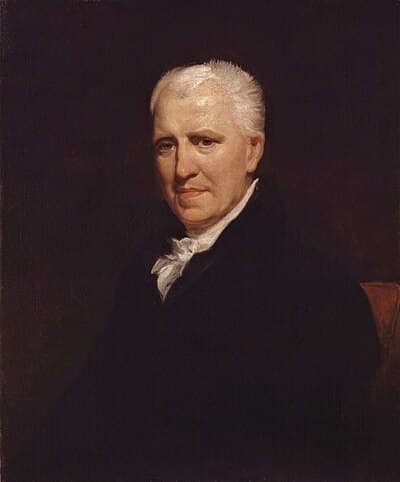
George Crabbe
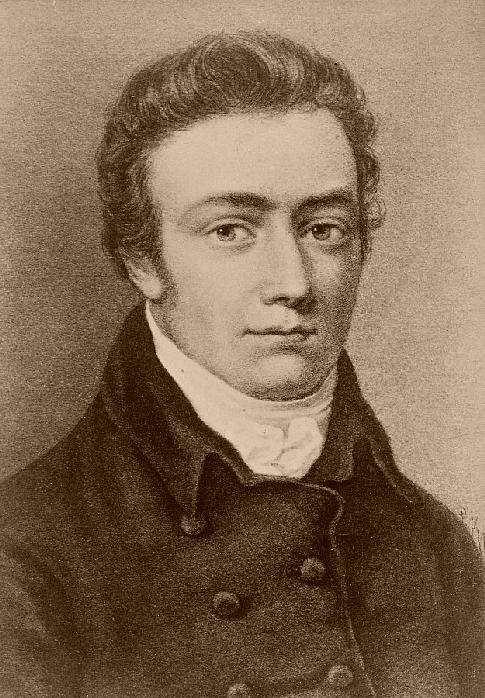
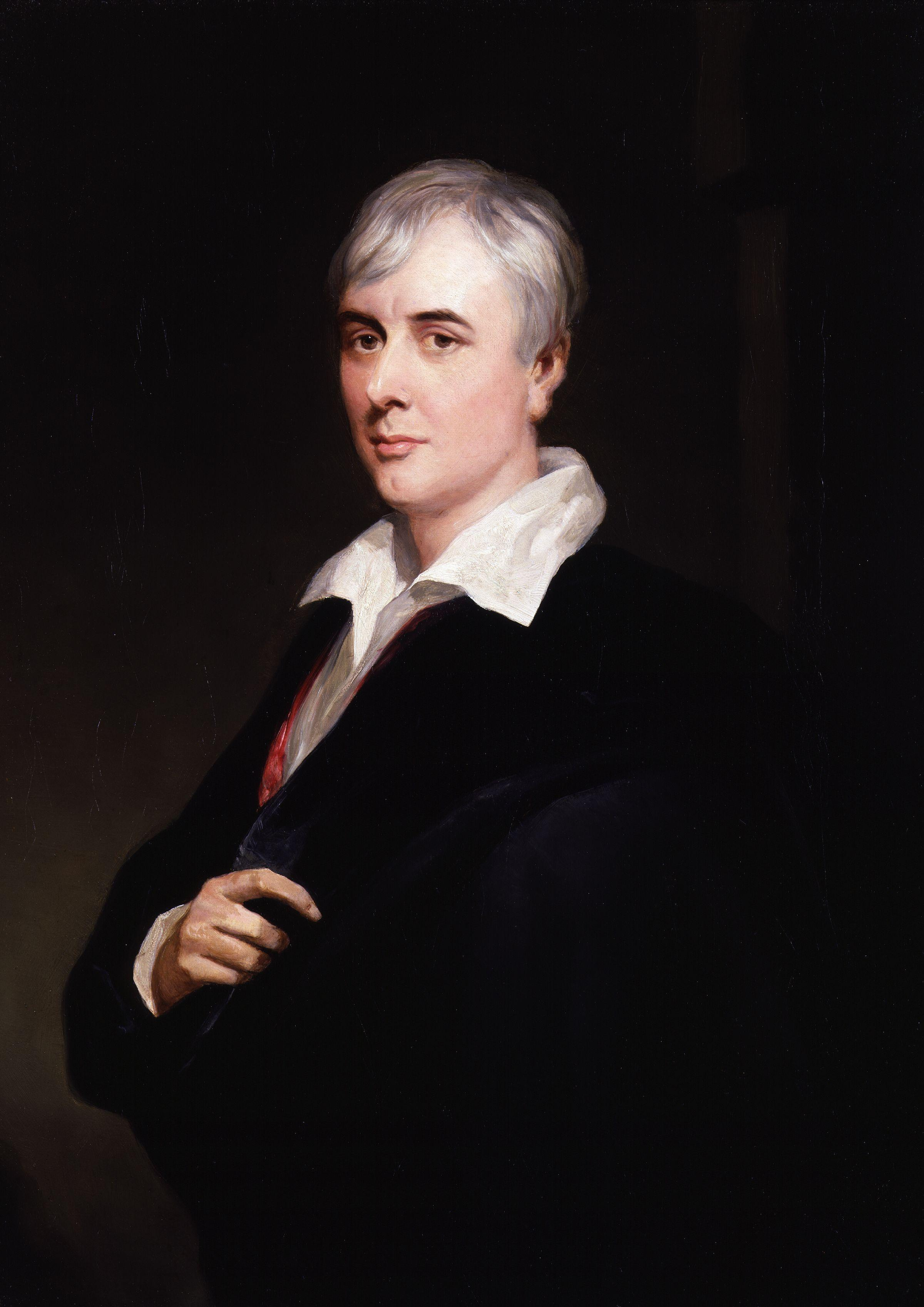
George Crabbe was an English poet, surgeon, and clergyman, renowned for his pioneering use of realistic narrative in poetry. Born in 1754, he initially trained as a surgeon but soon turned his ambitions toward writing. In the 1780s, Crabbe moved to London, where he struggled to gain recognition until he sought the assistance of the influential statesman Edmund Burke. Impressed by Crabbe's work, Burke became a crucial ally, helping him navigate the literary world and secure a position as Chaplain to the Duke of Rutland. This connection allowed Crabbe to cultivate relationships with prominent literary figures, including Samuel Johnson and Sir Walter Scott, enriching his career and personal life. Crabbe's most notable works, such as "The Village" and "The Borough," offered stark and realistic portrayals of rural and urban life, focusing on the struggles of the middle and working classes. His commitment to depicting the harsh realities of life set him apart from many of his contemporaries, who often favored romanticized subjects. Through his vivid storytelling and keen observations, Crabbe contributed significantly to the evolution of English poetry, influencing later writers and establishing a foundation for the realistic narrative form. His legacy endures as a testament to the power of poetry to reflect the complexities of human experience.
Famous Quotes
View all 3 quotes“Is there a place, save one the poet sees, A land of love, of liberty, and ease; Where labour wearies not, nor cares suppress Th’ eternal flow of rustic happiness; Where no proud mansion frowns in awful state, Or keeps the sunshine from the cottage-gate; Where young and old, intent on pleasure, throng, And half man’s life is holiday and song? Vain search for scenes like these! no view appears, By sighs unruffled or unstain’d by tears; Since vice the world subdued and waters drown’d, Auburn and Eden can no more be found.”
“There are found, amid the Evils of a laborious Life, some Views of Tranquillity and Happiness - The Repose and Pleasure of a Summer Sabbath: interrupted by Intoxication and Dispute - Village Detraction - Complaints of the ’Squire - The Evening Riots - Justice - Reasons for this unpleasant View of Rustic Life: the Effect it should have upon the Lower Classes; and the Higher - These last have their peculiar Distresses: Exemplified in the Life and heroic Death of Lord Robert Manners - Concluding Address to His Grace the Duke of Rutland.”
“Lo! at his throne the silent nymph appears, Frail by her shape, but modest in her tears; And while she stands abash’d, with conscious eye, Some favourite female of her judge glides by, Who views with scornful glance the strumpet’s fate, And thanks the stars that made her keeper great:”
Books from the author


Link to this page
Add a free, dofollow link to Lex on your blog, forum, syllabus, or reading list.

<a href="https://lex-books.com/author/george-crabbe"><img src="https://lex-books.com/badges/read-on-lex.svg" alt="George Crabbe on Lex" width="160" height="40"></a>[](https://lex-books.com/author/george-crabbe)[url=https://lex-books.com/author/george-crabbe][img]https://lex-books.com/badges/read-on-lex.svg[/img][/url]George Crabbe on Lex: https://lex-books.com/author/george-crabbe