George Crabbe: Poems, Volume 2 (of 3)
1754
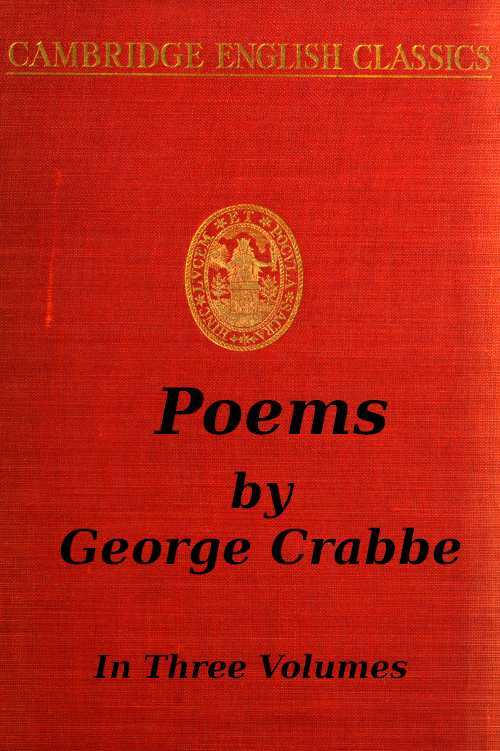
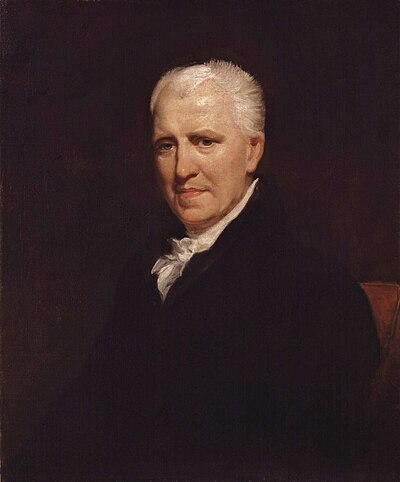
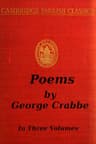
George Crabbe wrote poetry that doesn't flinch. Where other poets saw pastoral beauty in the English countryside, Crabbe saw mud, poverty, and the grinding struggles of ordinary people. This second volume collects his celebrated "Tales" and "Tales of the Hall," narrative poems that follow farmers, clergy, politicians, and laborers through moments of moral crisis and quiet desperation. Crabbe's genius lay in his refusal to idealize: his characters speak in dialect, his villages have no美化, and his observations about class and corruption cut with the precision of a surgeon. The volume opens with a dedication to the Duchess Dowager of Rutland and a preface in which Crabbe articulates his belief that poetry must serve character and morality rather than mere ornament. These are unsentimental portraits of 18th and 19th century English life, populated by people grappling with debt, temptation, ambition, and the crushing weight of social structures. For readers who want literature that tells hard truths about how people actually live, rather than how poets wish they did, Crabbe remains essential.
Editions
Link to this book
Add a free, dofollow link to Lex on your blog, forum, syllabus, or reading list.

<a href="https://lex-books.com/book/george-crabbe-poems-volume-2-of-3-50730eaf-6e28-45dc-9e56-e1bc558400c4"><img src="https://lex-books.com/badges/read-on-lex.svg" alt="Read George Crabbe: Poems, Volume 2 (of 3) by George Crabbe free on Lex" width="160" height="40"></a>[](https://lex-books.com/book/george-crabbe-poems-volume-2-of-3-50730eaf-6e28-45dc-9e56-e1bc558400c4)[url=https://lex-books.com/book/george-crabbe-poems-volume-2-of-3-50730eaf-6e28-45dc-9e56-e1bc558400c4][img]https://lex-books.com/badges/read-on-lex.svg[/img][/url]Read George Crabbe: Poems, Volume 2 (of 3) by George Crabbe free on Lex: https://lex-books.com/book/george-crabbe-poems-volume-2-of-3-50730eaf-6e28-45dc-9e56-e1bc558400c4Cite this book
Reading this edition for a paper or guide? Copy a citation.
Crabbe, George. George Crabbe: Poems, Volume 2 (of 3). Lex, lex-books.com/book/george-crabbe-poems-volume-2-of-3-50730eaf-6e28-45dc-9e56-e1bc558400c4.Crabbe, G. (1754). George Crabbe: Poems, Volume 2 (of 3). Lex. https://lex-books.com/book/george-crabbe-poems-volume-2-of-3-50730eaf-6e28-45dc-9e56-e1bc558400c4Crabbe, George. George Crabbe: Poems, Volume 2 (of 3). Lex. https://lex-books.com/book/george-crabbe-poems-volume-2-of-3-50730eaf-6e28-45dc-9e56-e1bc558400c4.