
Oliver Optic
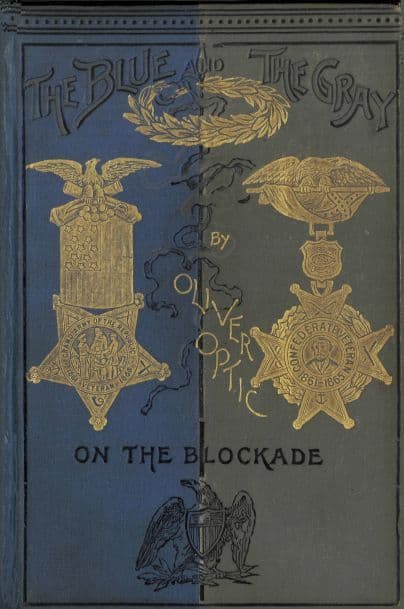
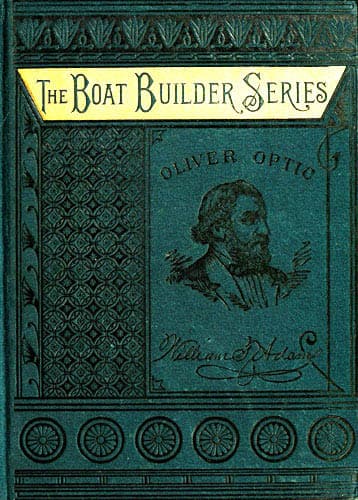
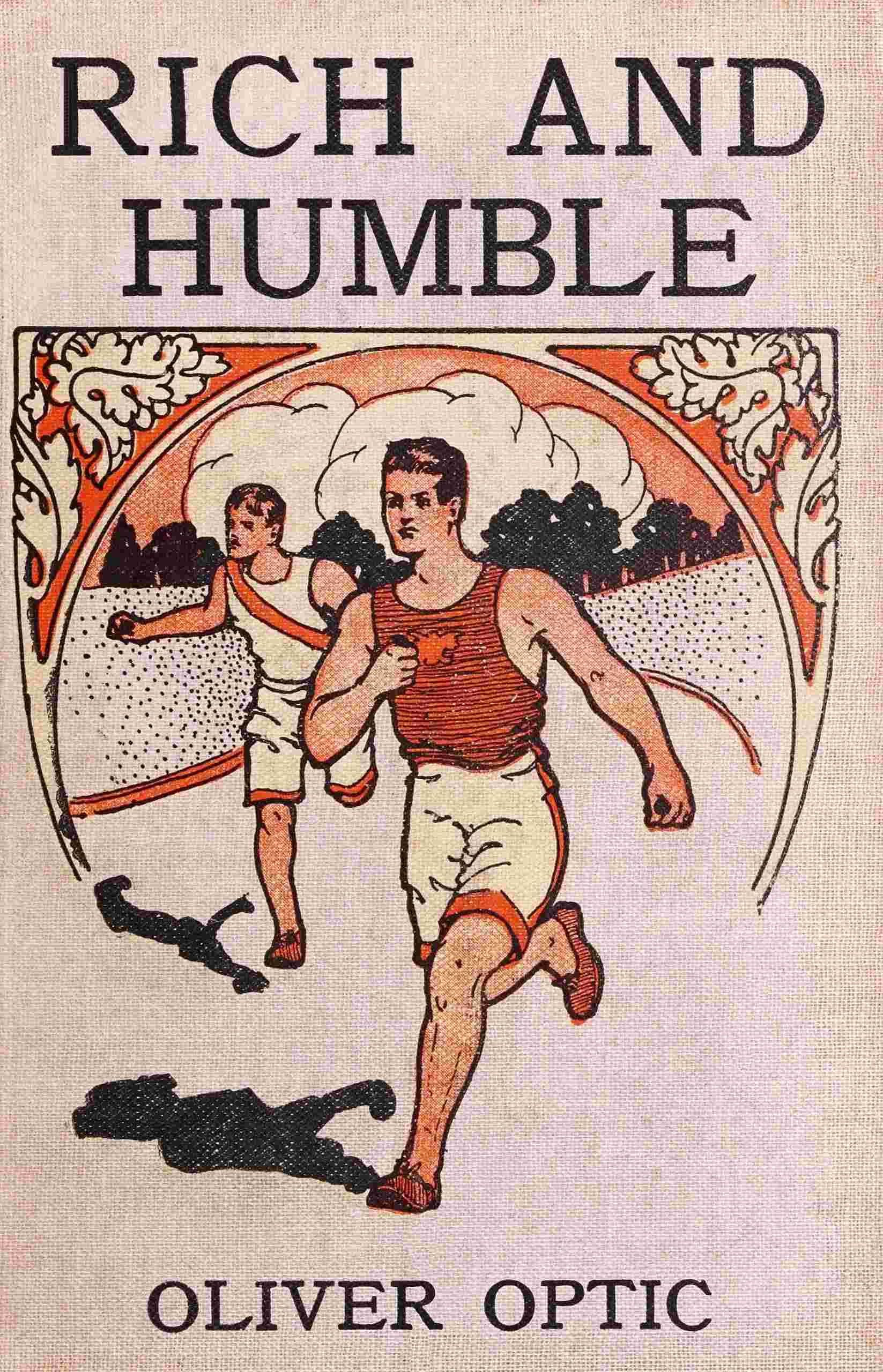
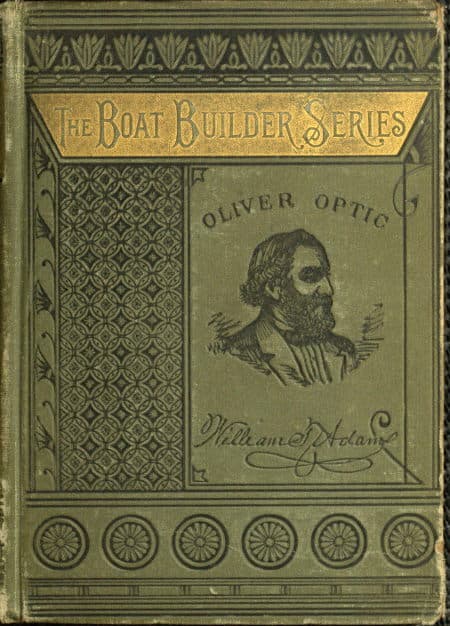
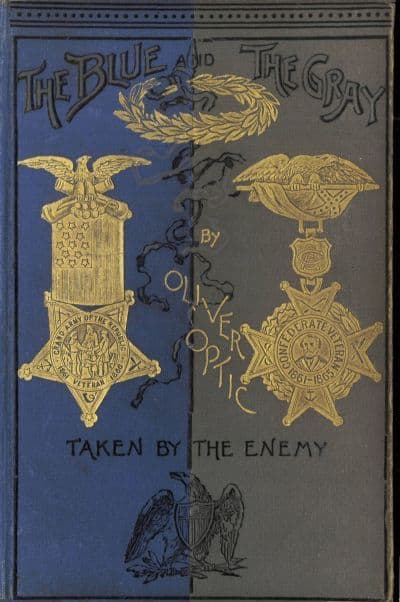
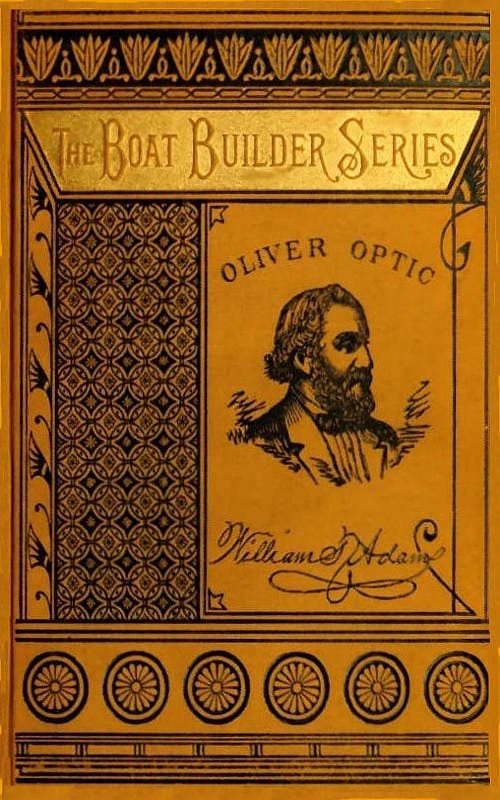
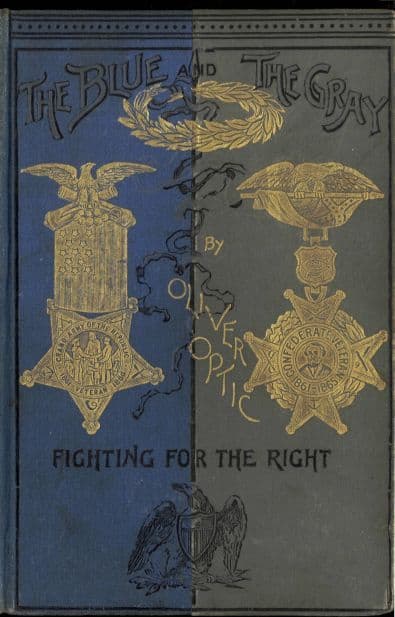
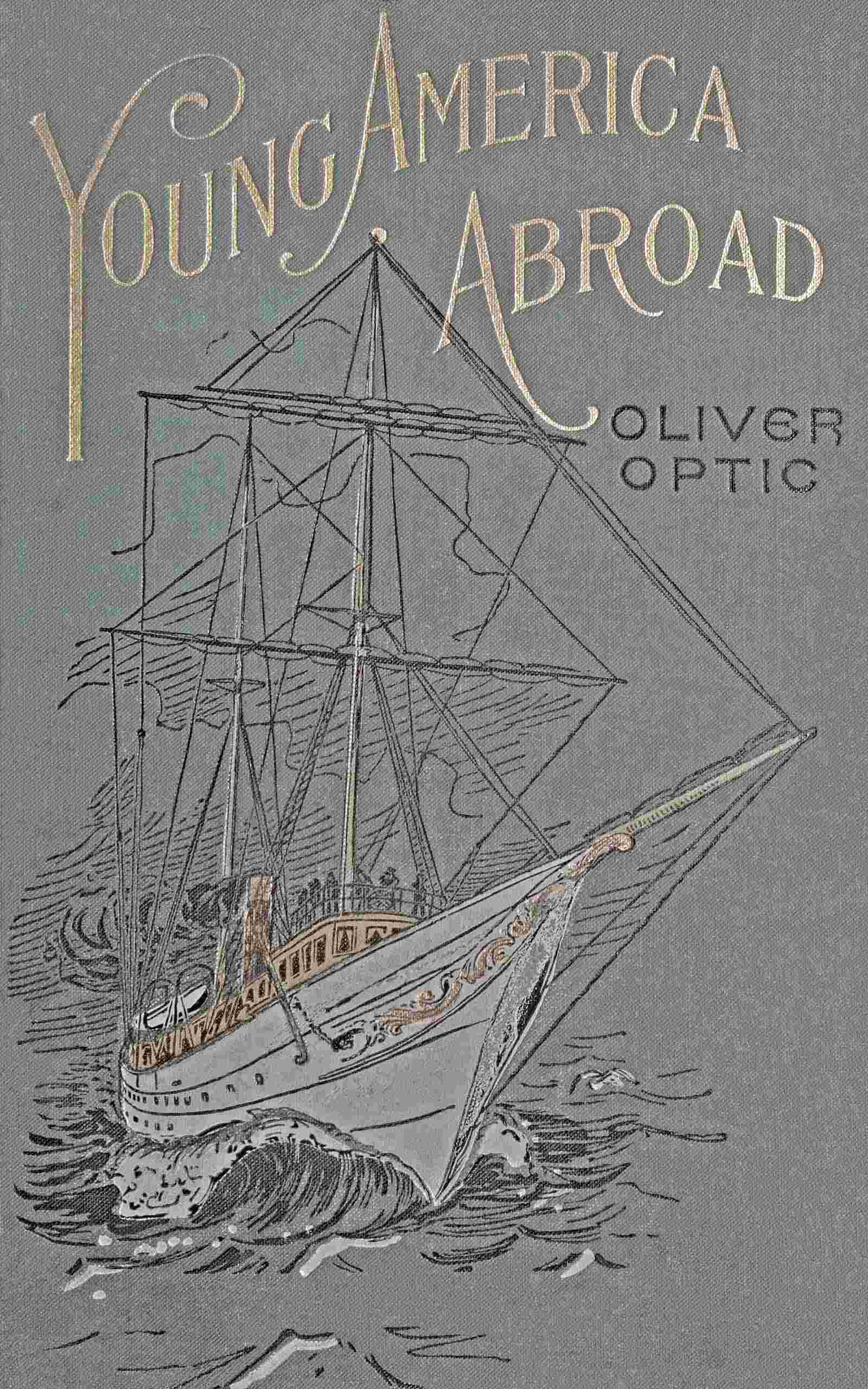
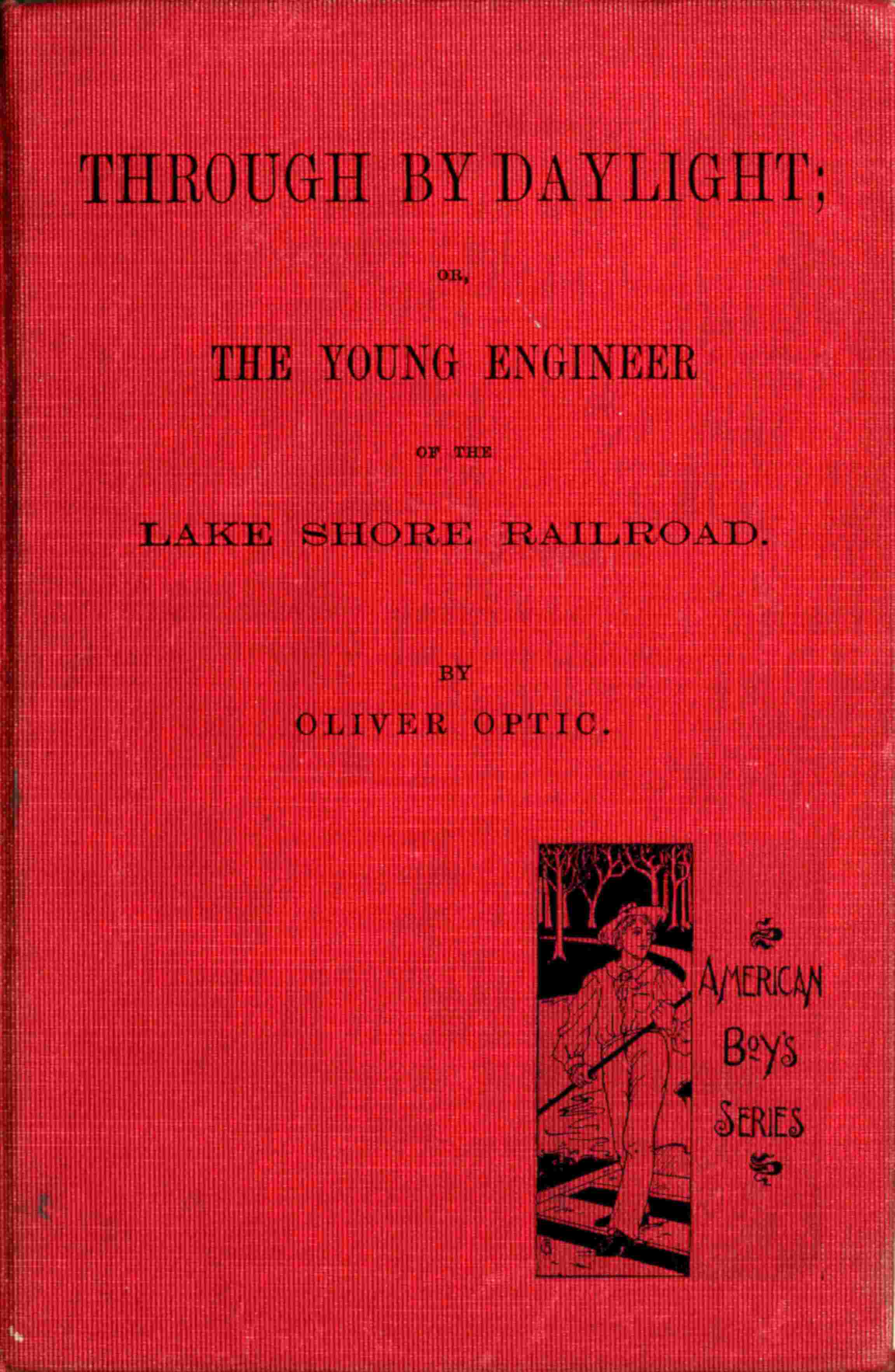
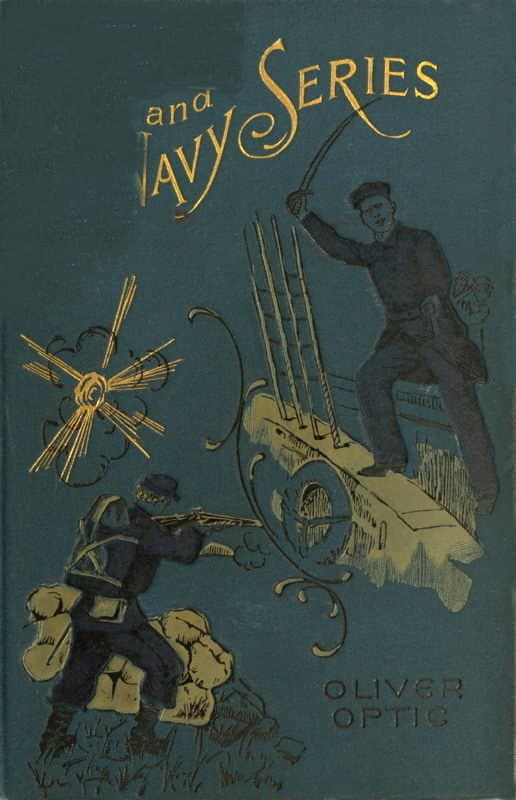
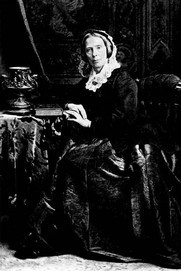
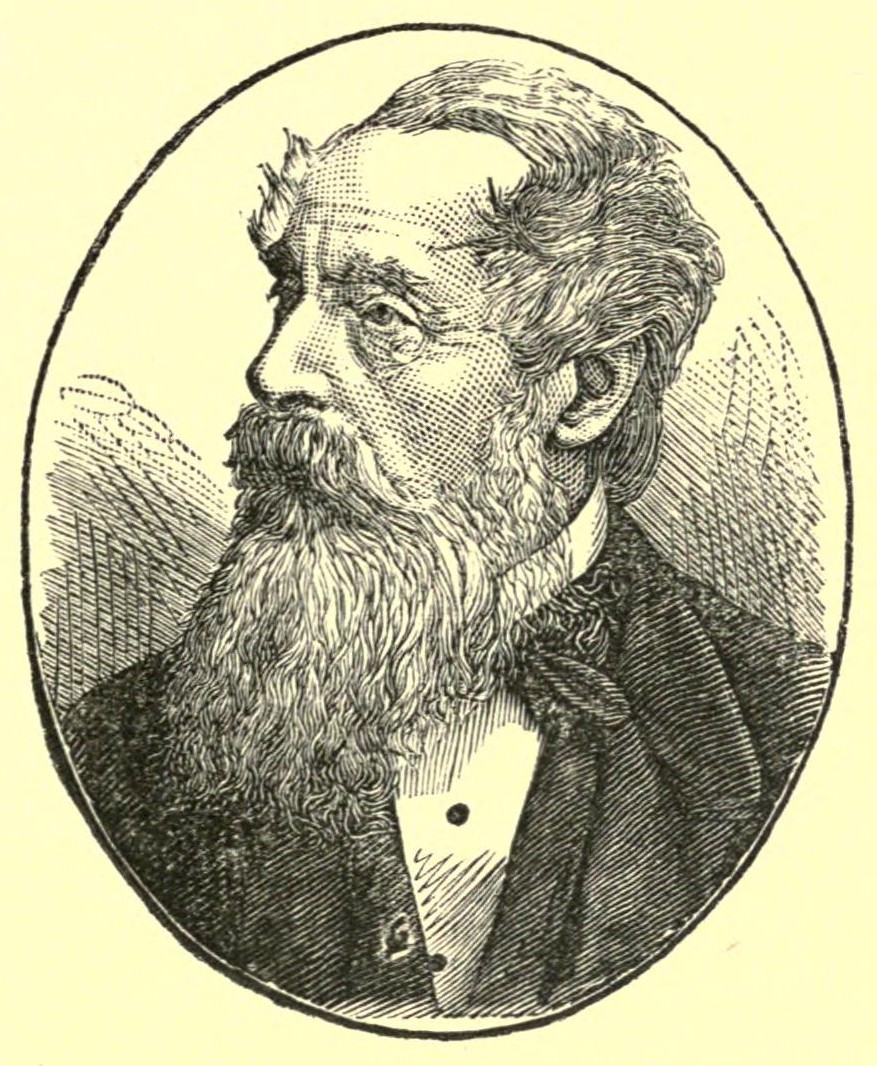
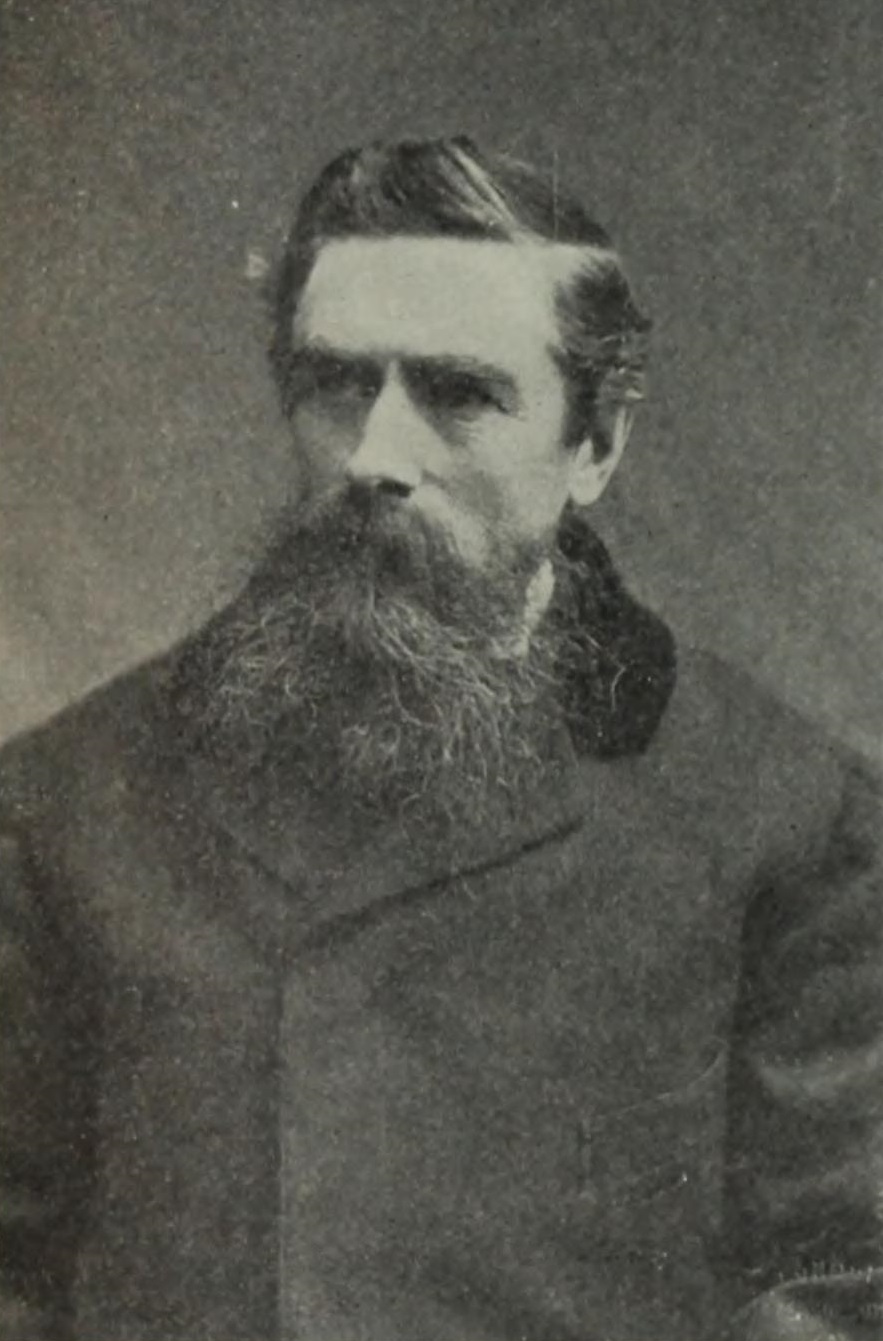
William Taylor Adams, known by his pen name Oliver Optic, was an influential American author and educator whose works primarily targeted young readers. Born in Massachusetts, he pursued a career in teaching before turning to writing, where he became renowned for his adventure novels that often featured themes of morality, courage, and the importance of education. His most notable series, including 'The Boat Club' and 'The Blue and the Gray,' captivated young audiences with their engaging narratives and vivid depictions of life on the water and in the military, respectively. Optic's writing not only entertained but also aimed to instill values in his readers, reflecting the educational ideals of his time. He was a pioneer in the genre of boys' literature, and his stories often emphasized the virtues of hard work, loyalty, and integrity. Beyond his literary contributions, Optic was also active in politics, serving in the Massachusetts House of Representatives, which further showcased his commitment to public service and education. His legacy endures through his extensive body of work, which continues to be recognized for its significant impact on children's literature and its role in shaping the moral compass of young readers during the 19th century.
Famous Quotes
View all 6 quotes“Visual illusions, too, fascinated me; they showed how intellectual understanding, insight, and even common sense were powerless against the force of perceptual distortions. Gibson’s inverting glasses showed the power of the mind to rectify optical distortions, where visual illusions showed its inability to correct perceptual ones.””
“Cortical maps are dynamic, and can change as circumstances alter. Many of us have experienced this, getting a new pair of glasses or a new hearing aid. At first the new glasses or hearing aids seem intolerable, distorting - but within days or hours, our brain adapts to them, and we can make full use of our new new optically or acoustically improved senses. It is similar with the brain's mapping of the body image, which adapts quite rapidly if there are changes in the sensory input or the use of the body.””
Books from the author

























Link to this page
Add a free, dofollow link to Lex on your blog, forum, syllabus, or reading list.

<a href="https://lex-books.com/author/oliver-optic"><img src="https://lex-books.com/badges/read-on-lex.svg" alt="Oliver Optic on Lex" width="160" height="40"></a>[](https://lex-books.com/author/oliver-optic)[url=https://lex-books.com/author/oliver-optic][img]https://lex-books.com/badges/read-on-lex.svg[/img][/url]Oliver Optic on Lex: https://lex-books.com/author/oliver-optic