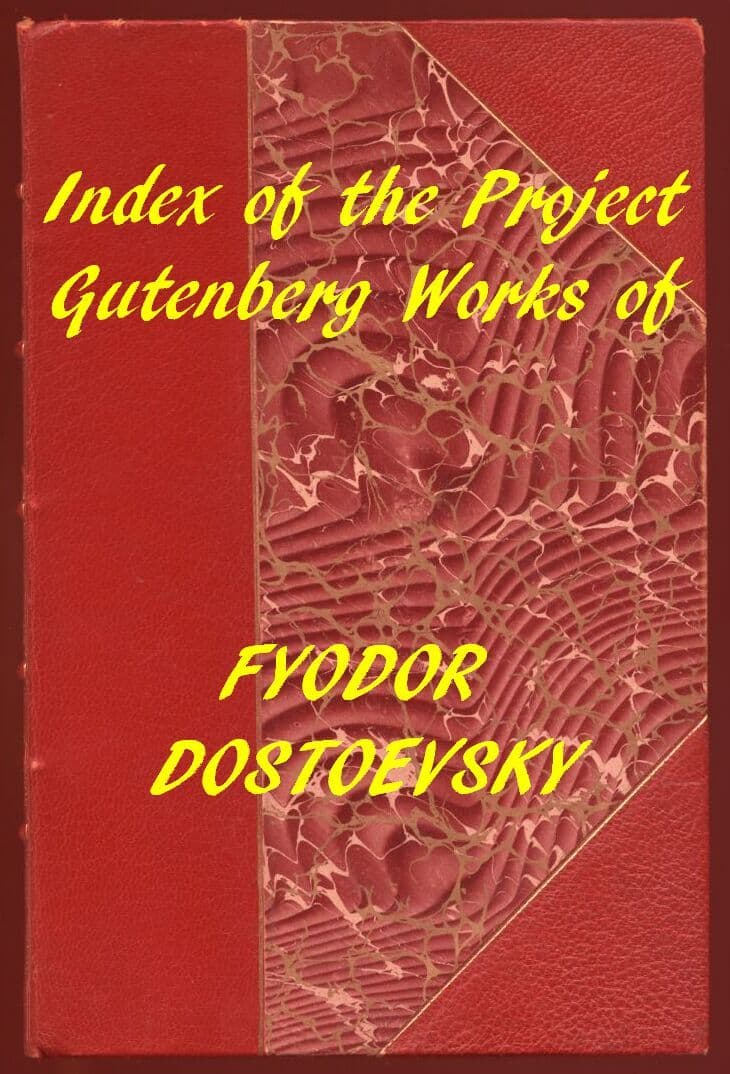
The Grand Inquisitor
The Grand Inquisitor
Translated by H. P. (Helena Petrovna) Blavatsky
In 16th-century Seville, Jesus Christ returns to Earth during the height of the Inquisition. He is immediately arrested by the Grand Inquisitor, a formidable prelate who has spent his life building the Church's power. What follows is one of literature's most devastating confrontations: the Inquisitor delivers a scathing indictment of Christ's greatest gift to humanity, freedom. He argues that most people cannot bear the terrors of freedom, that they desperately crave security over choice, and that the Catholic Church has done humanity a kindness by taking upon itself the terrible burden of individual choice. Jesus listens in silence. He offers no defense, no theological rebuttal. He simply leans forward and kisses the old man on the lips. This single act of wordless love cuts deeper than any argument could. Dostoevsky, writing through his fictional character Ivan Karamazov, poses the question that has haunted Western civilization: Is freedom truly a gift, or is it a curse that drives people toward tyranny and self-destruction? The Inquisitor's logic is chillingly persuasive precisely because it contains uncomfortable truths about human nature. A cornerstone of existentialist literature and a razor-sharp examination of faith, power, and the price of freedom, this chapter has haunted readers for over a century. It is for anyone who has ever questioned the nature of belief, the seductions of authority, or whether humanity truly wants to be free.
Editions
Link to this book
Add a free, dofollow link to Lex on your blog, forum, syllabus, or reading list.

<a href="https://lex-books.com/book/the-grand-inquisitor-585e3b49-4dd3-4ec1-aa61-7a0356815b96"><img src="https://lex-books.com/badges/read-on-lex.svg" alt="Read The Grand Inquisitor by Fyodor Dostoyevsky free on Lex" width="160" height="40"></a>[](https://lex-books.com/book/the-grand-inquisitor-585e3b49-4dd3-4ec1-aa61-7a0356815b96)[url=https://lex-books.com/book/the-grand-inquisitor-585e3b49-4dd3-4ec1-aa61-7a0356815b96][img]https://lex-books.com/badges/read-on-lex.svg[/img][/url]Read The Grand Inquisitor by Fyodor Dostoyevsky free on Lex: https://lex-books.com/book/the-grand-inquisitor-585e3b49-4dd3-4ec1-aa61-7a0356815b96Cite this book
Reading this edition for a paper or guide? Copy a citation.
Dostoyevsky, Fyodor. The Grand Inquisitor. Lex, lex-books.com/book/the-grand-inquisitor-585e3b49-4dd3-4ec1-aa61-7a0356815b96.Dostoyevsky, F. (n.d.). The Grand Inquisitor. Lex. https://lex-books.com/book/the-grand-inquisitor-585e3b49-4dd3-4ec1-aa61-7a0356815b96Dostoyevsky, Fyodor. The Grand Inquisitor. Lex. https://lex-books.com/book/the-grand-inquisitor-585e3b49-4dd3-4ec1-aa61-7a0356815b96.