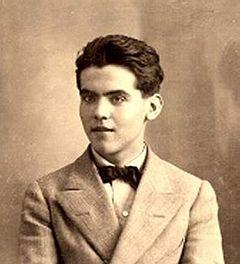
Federico García Lorca
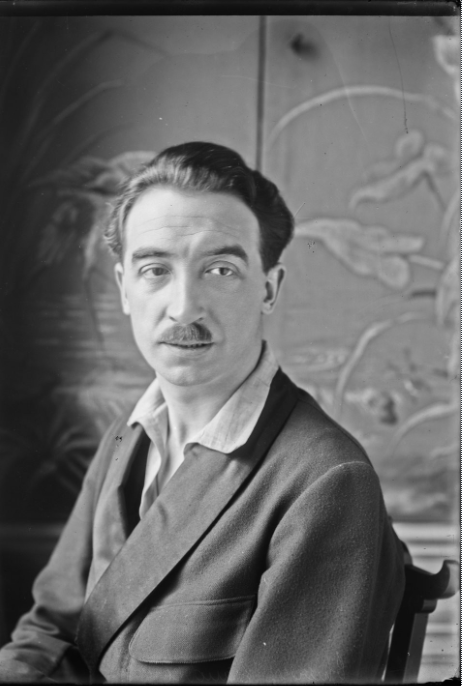
Federico García Lorca was a prominent Spanish poet, playwright, and director, whose works are celebrated for their deep emotional resonance and innovative style. Born in the picturesque town of Fuente Vaqueros, Lorca showed an early talent for music and literature, which flourished during his studies in Granada. His experiences in the vibrant cultural milieu of early 20th-century Spain profoundly influenced his artistic vision. Lorca's poetry, such as 'Romancero gitano' and 'Poeta en Nueva York,' reflects his fascination with the Andalusian landscape, folklore, and the complexities of human emotion, often intertwining themes of love, death, and social injustice. His plays, including 'Bodas de sangre' and 'La casa de Bernarda Alba,' are notable for their exploration of societal norms and the struggles of women in a patriarchal society, showcasing his commitment to both artistic innovation and social commentary. Lorca's life was tragically cut short during the Spanish Civil War, when he was executed by Nationalist forces in 1936. His death marked a significant loss for Spanish literature, but his legacy endures through his powerful works that continue to inspire generations of writers and artists. Lorca's unique blend of surrealism, folklore, and deep psychological insight has established him as a key figure in 20th-century literature, and his influence can be seen in the works of many contemporary poets and playwrights, making him a symbol of artistic freedom and resistance against oppression.
Famous Quotes
View all 20 quotes“To burn with desire and keep quiet about it is the greatest punishment we can bring on ourselves.””
“To see you naked is to recall the Earth.””
“I've often lost myself,in order to find the burn that keeps everything awake””
Books from the author




Link to this page
Add a free, dofollow link to Lex on your blog, forum, syllabus, or reading list.

<a href="https://lex-books.com/author/federico-garcía-lorca"><img src="https://lex-books.com/badges/read-on-lex.svg" alt="Federico García Lorca on Lex" width="160" height="40"></a>[](https://lex-books.com/author/federico-garcía-lorca)[url=https://lex-books.com/author/federico-garcía-lorca][img]https://lex-books.com/badges/read-on-lex.svg[/img][/url]Federico García Lorca on Lex: https://lex-books.com/author/federico-garcía-lorca