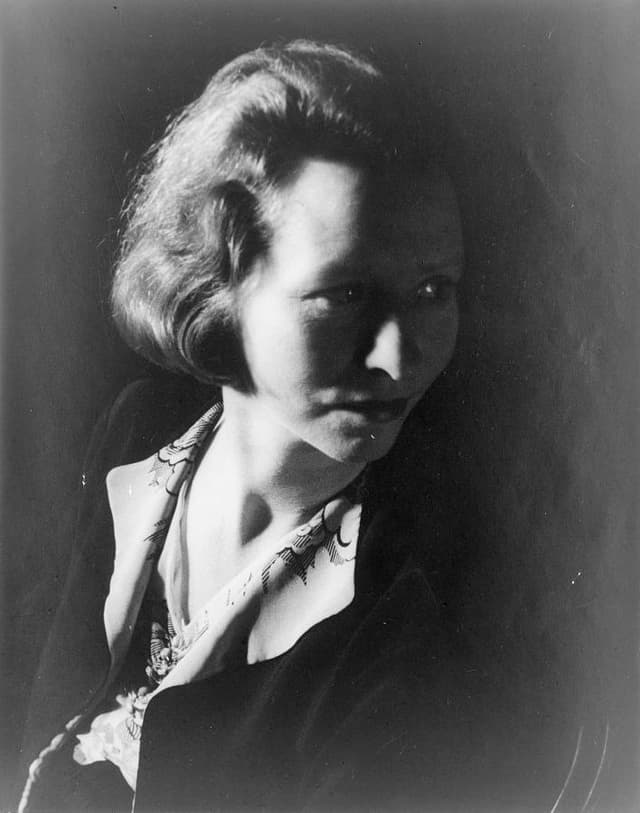
Edna St. Vincent Millay
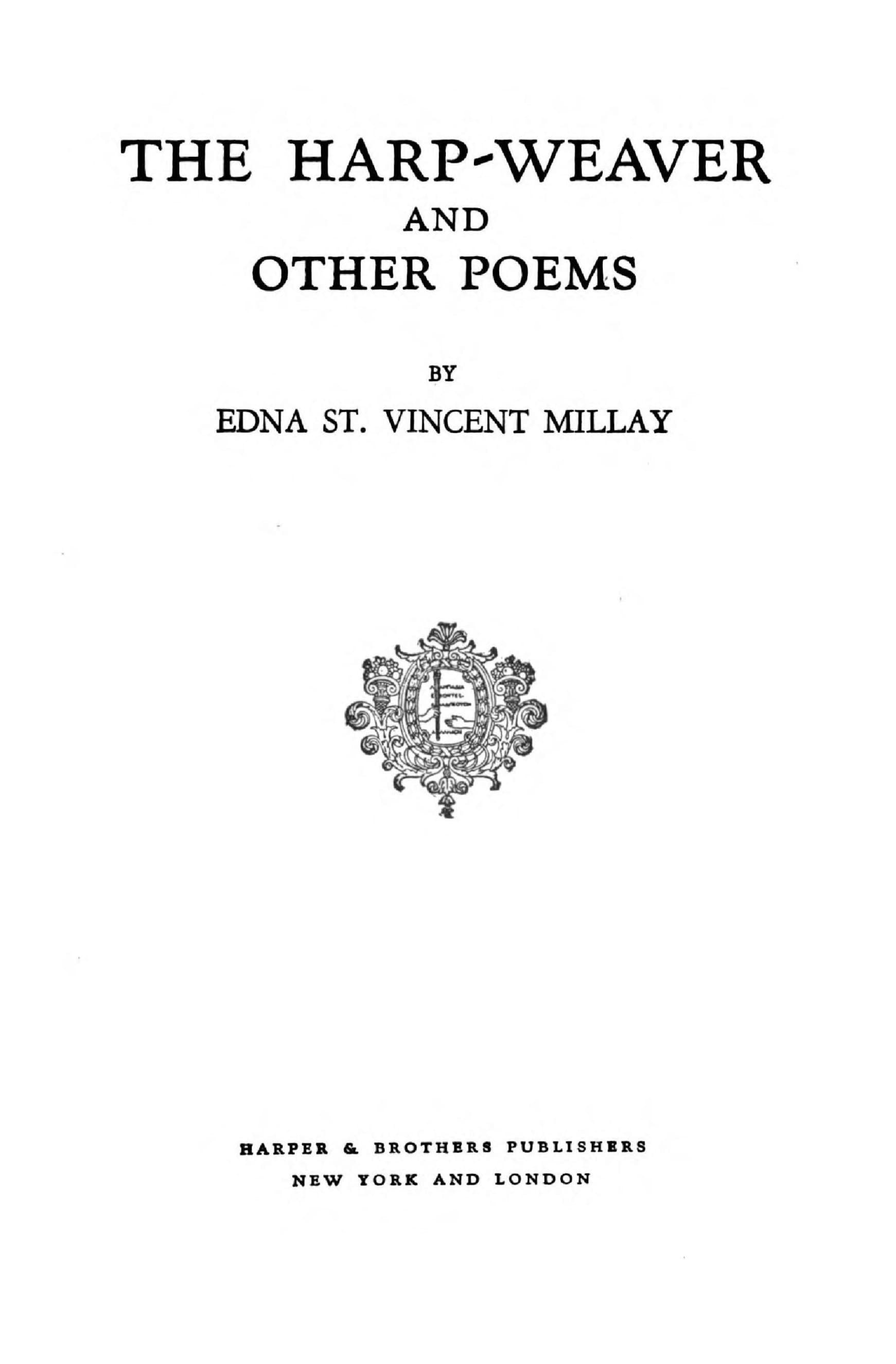
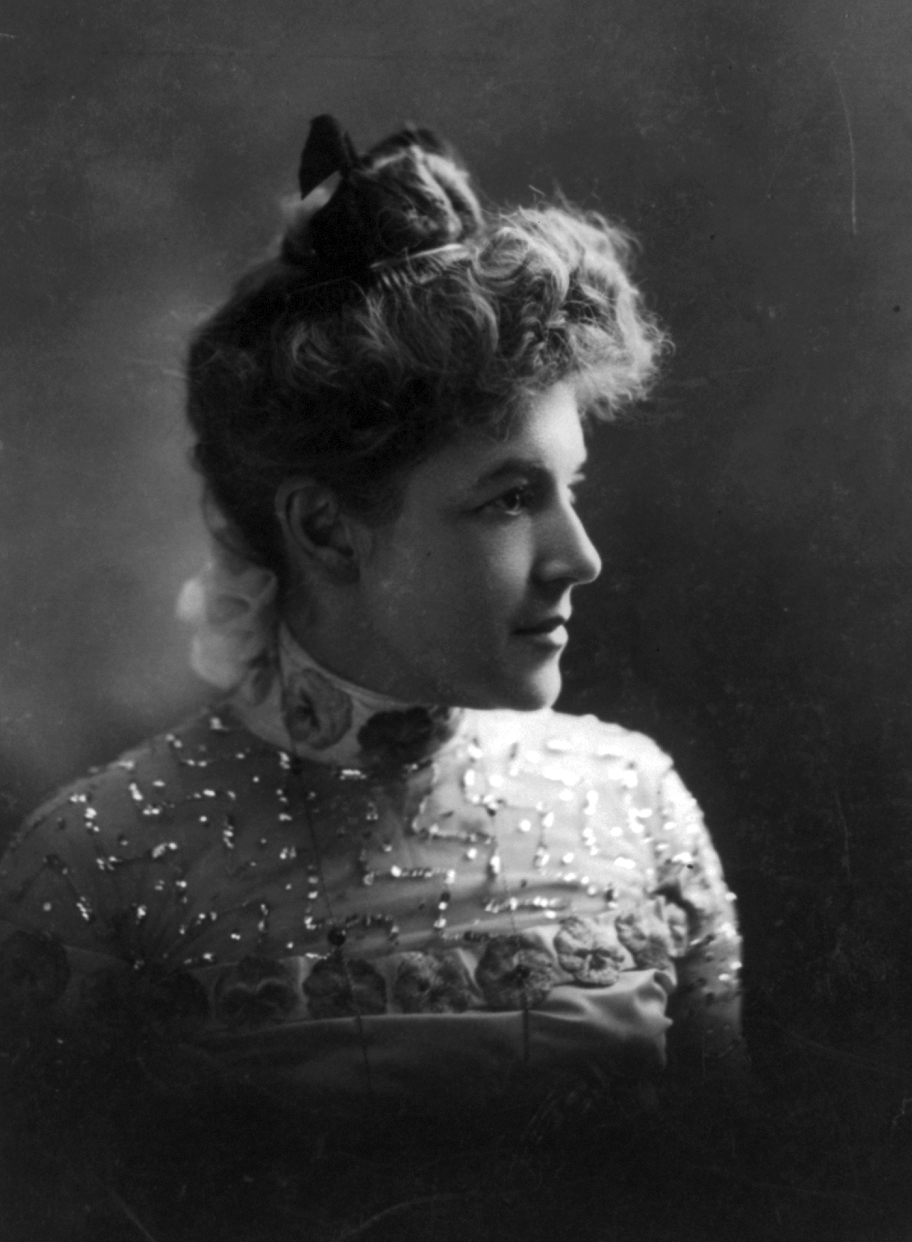
Edna St. Vincent Millay was an influential American poet and playwright, celebrated for her lyrical prowess and vibrant presence in the literary scene of the early 20th century. Born in Maine and later moving to New York City, she became a prominent figure during the Roaring Twenties, known for her bohemian lifestyle and outspoken feminist views. Millay's poetry often explored themes of love, loss, and the complexities of human emotion, earning her widespread acclaim. Her most notable work, 'Ballad of the Harp-Weaver,' won the Pulitzer Prize for Poetry in 1923, making her the first woman to receive this honor. Millay also wrote prose under the pseudonym Nancy Boyd, further showcasing her versatility as a writer. Despite her early success and recognition, Millay's reputation waned in the 1930s as modernist critics began to favor innovative forms over her traditional style. However, her contributions to American poetry were later reassessed, particularly during the feminist literary movement of the 1960s and 1970s, which highlighted her significance as a pioneering female voice in literature. Millay's legacy endures through her passionate verses and her role in shaping the discourse around women's rights and artistic expression, solidifying her place as a key figure in American literary history.
Famous Quotes
View all 3 quotes“They say when you are missing someone that they are probably feeling the same, but I don't think it's possible for you to miss me as much as I'm missing you right now”
“I know I am but summer to your heart, and not the full four seasons of the year.”
“Where you used to be, there is a hole in the world, which I find myself constantly walking around in the daytime, and falling in at night. I miss you like hell.”
Books from the author








Link to this page
Add a free, dofollow link to Lex on your blog, forum, syllabus, or reading list.

<a href="https://lex-books.com/author/edna-st-vincent-millay"><img src="https://lex-books.com/badges/read-on-lex.svg" alt="Edna St. Vincent Millay on Lex" width="160" height="40"></a>[](https://lex-books.com/author/edna-st-vincent-millay)[url=https://lex-books.com/author/edna-st-vincent-millay][img]https://lex-books.com/badges/read-on-lex.svg[/img][/url]Edna St. Vincent Millay on Lex: https://lex-books.com/author/edna-st-vincent-millay